Standing seam metal roofing represents the pinnacle of modern roofing technology, combining exceptional durability, sleek aesthetics, and superior weather protection. This comprehensive guide explores everything you need to know about standing seam roofing systems, from their unique design features to installation requirements and long-term value for Sydney homes and businesses.
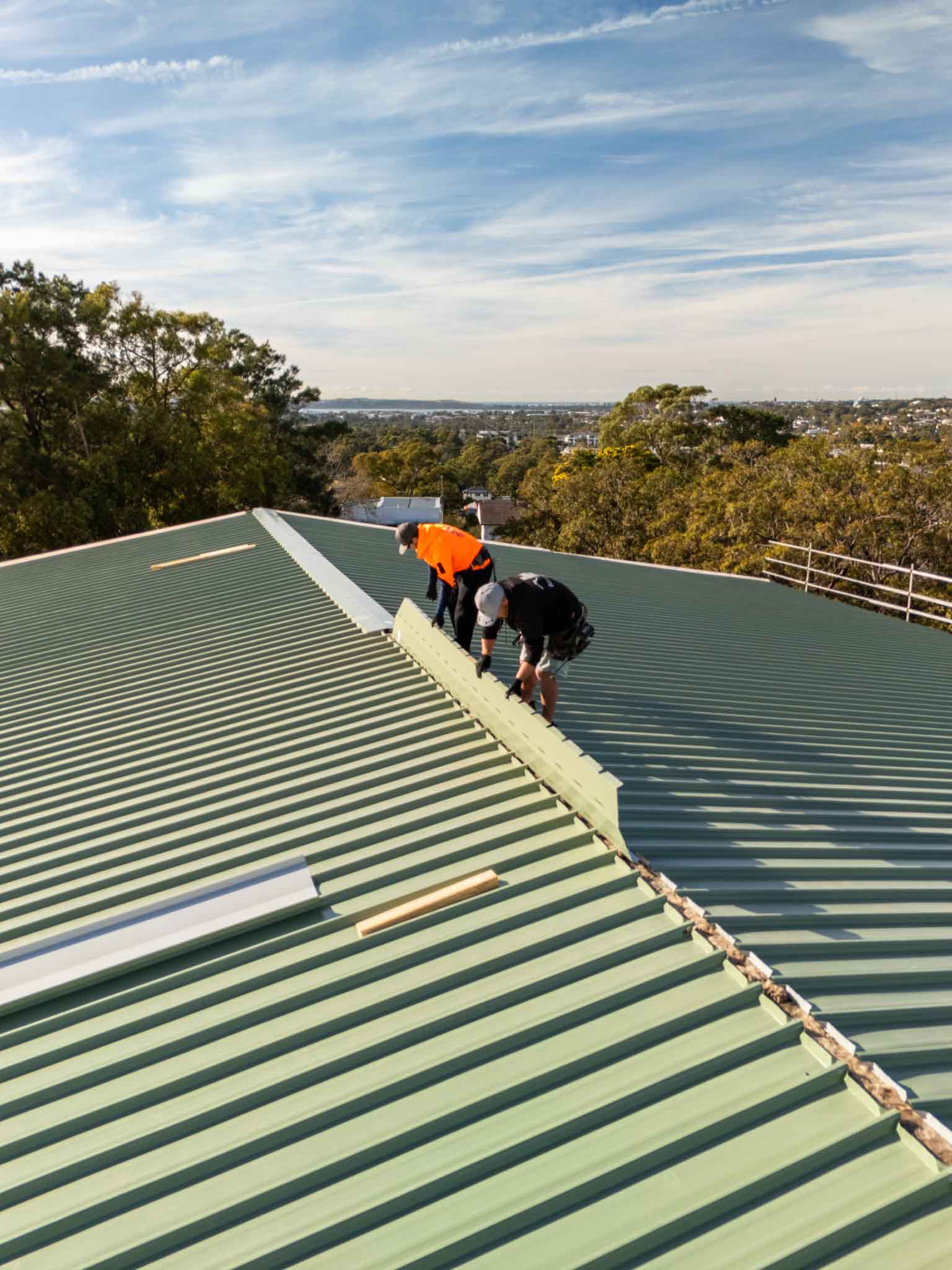
Standing seam roofing is a premium metal roofing system characterized by vertical panels with concealed fasteners and raised seams that interlock to create a watertight barrier. Unlike traditional exposed fastener metal roofing, standing seam panels feature hidden clips that allow for thermal expansion and contraction while maintaining structural integrity.
Key Defining Features
- Vertical panel orientation: Panels run vertically from ridge to eave, creating clean, modern lines
- Concealed fasteners: All screws and clips are hidden beneath the panels, eliminating puncture points
- Raised seams: Typically 25mm to 50mm high seams provide superior water shedding
- Interlocking design: Adjacent panels lock together mechanically for enhanced weather protection
- Floating panel system: Panels can expand and contract with temperature changes without stressing fasteners
- Continuous panels: Can be manufactured in custom lengths up to 30+ metres without horizontal joints
Understanding the differences between standing seam and traditional exposed fastener metal roofing helps you make an informed decision for your project.
💡 Professional Insight
While standing seam roofing costs 40-60% more than exposed fastener systems, the concealed fastener design eliminates the primary failure point of traditional metal roofs—deteriorated fastener penetrations. This translates to a significantly longer lifespan and virtually maintenance-free performance.
Comparison Table
- Fastener exposure: Standing seam (concealed) vs Traditional (exposed to weather)
- Lifespan: Standing seam (50-70+ years) vs Traditional (30-40 years)
- Maintenance: Standing seam (minimal) vs Traditional (regular fastener replacement)
- Aesthetics: Standing seam (sleek, modern) vs Traditional (industrial appearance)
- Water resistance: Standing seam (superior) vs Traditional (good, but fastener-dependent)
- Installation cost: Standing seam ($$) vs Traditional ($$)
- Thermal movement: Standing seam (accommodates expansion) vs Traditional (fixed attachment)
Types of Standing Seam Systems
Several standing seam profiles are available, each with unique characteristics suited to different applications.
Snap-Lock Standing Seam
The most common residential standing seam system, featuring panels that mechanically snap together without specialized seaming equipment.
- Easier and faster installation than mechanical seam systems
- Suitable for roof pitches as low as 3:12 (14 degrees)
- Standard panel widths of 300mm to 400mm
- Seam heights typically 25mm to 38mm
- Cost-effective entry point to standing seam roofing
- Ideal for residential and light commercial applications
Mechanical Seam (Batten Roll)
Premium system requiring specialized seaming machines to mechanically crimp panels together, creating the tightest possible weather seal.
- Superior weather resistance suitable for very low pitch roofs (as low as 1:12 or 5 degrees)
- Mechanically seamed using hand or power seamers
- Single or double-lock seam options available
- Taller seam profiles (38mm to 75mm) for enhanced water shedding
- Preferred for commercial and high-end residential projects
- Maximum wind and weather resistance
Nail Strip System
Hybrid system with concealed nail strip flanges, offering easier installation than mechanical seam systems.
- Fasteners concealed beneath adjacent panel
- No special seaming equipment required
- Suitable for roof pitches 3:12 (14 degrees) and steeper
- More affordable than mechanical seam systems
- Good balance of performance and cost
Material Options for Standing Seam Roofing
Standing seam panels are manufactured from various metal substrates, each offering distinct advantages.
Colorbond Steel (Australia's Preferred Choice)
- Composition: Zincalume steel base with multiple protective layers and colour coating
- Lifespan: 50-70 years in coastal areas, 70+ years inland
- Warranty: Manufacturer-backed perforation warranty
- Weight: Lightweight at 4-7 kg per square metre
- Cost: $80-$120 per square metre installed
- Colours: 22+ colours specifically formulated for Australian conditions
- Thermal performance: Excellent heat reflectance, especially in lighter colours
Zincalume (Unpainted)
- Composition: 55% aluminium, 43.5% zinc, 1.5% silicon alloy coating on steel
- Lifespan: 40-60 years depending on environment
- Cost: $70-$100 per square metre installed (10-15% less than Colorbond)
- Appearance: Bright metallic silver finish
- Durability: Excellent corrosion resistance, especially in rural areas
- Maintenance: May develop light surface patina over time in coastal environments
Aluminium Standing Seam
- Weight: Extremely lightweight (3-4 kg per square metre)
- Corrosion resistance: Superior performance in marine environments
- Lifespan: 50-70+ years in all Australian climates
- Cost: $100-$150 per square metre installed
- Applications: Ideal for coastal properties and heritage renovations
- Workability: Soft metal, easily formed for complex roof shapes
Copper Standing Seam
- Aesthetics: Develops natural patina from bright copper to brown to green
- Lifespan: 100+ years (heritage buildings prove exceptional longevity)
- Cost: $200-$350 per square metre installed (premium investment)
- Weight: Moderate at 9-12 kg per square metre
- Applications: Heritage buildings, architectural features, luxury homes
- Maintenance: Virtually zero maintenance required
📋 Material Selection Checklist
- Budget constraints and long-term value considerations
- Environmental factors (coastal, industrial, rural location)
- Aesthetic preferences and architectural style
- Local council requirements and heritage considerations
- Thermal performance and energy efficiency goals
- Warranty coverage and manufacturer reputation
- Compatibility with existing structures and materials
Standing seam roofing offers numerous advantages that justify its premium price point.
Superior Weather Protection
- No exposed fasteners: Eliminates leak paths from deteriorated screw penetrations
- Continuous panels: Minimal or no horizontal joints to trap water
- Raised seams: Effectively shed water even in heavy rainfall
- Low pitch capability: Suitable for roofs as low as 1:12 pitch with mechanical seam
- Wind resistance: Mechanically interlocked panels resist uplift in cyclonic conditions
- Fire resistance: Non-combustible material with Class 1 fire rating
Exceptional Longevity
- 50-70+ year lifespan significantly exceeds other roofing materials
- Concealed fasteners never exposed to UV degradation or thermal cycling
- Floating panel system prevents stress fatigue at attachment points
- Corrosion-resistant coatings and materials withstand harsh Australian climate
- Minimal maintenance requirements throughout roof lifespan
- Often outlasts the building structure itself
Modern Aesthetic Appeal
- Clean, contemporary lines complement modern architectural styles
- Vertical panel orientation visually elongates buildings
- Concealed fasteners create uninterrupted metal surfaces
- Wide colour palette available in Colorbond finishes
- Suitable for residential, commercial, and industrial applications
- Enhances property value and street appeal
Energy Efficiency
- Highly reflective surfaces reduce heat absorption (especially light colours)
- Low thermal mass quickly releases absorbed heat after sunset
- Compatible with above-deck insulation systems for enhanced R-values
- Ventilated panel systems available for additional cooling
- Can reduce cooling costs by 15-25% compared to dark tile roofs
- Qualifies for energy efficiency rebates in some jurisdictions
Installation Requirements and Process
Professional standing seam installation requires specialized knowledge, equipment, and attention to detail.
Structural Considerations
- Roof pitch: Minimum 1:12 (mechanical seam) to 3:12 (snap-lock) depending on system
- Substrate requirements: Solid deck or purlins spaced to manufacturer specifications
- Load capacity: Must support material weight plus installation live loads
- Deck preparation: Clean, dry, structurally sound substrate required
- Underlayment: High-quality synthetic or self-adhering membrane required
- Ventilation: Adequate attic ventilation to prevent condensation
Installation Steps
- Step 1: Install approved underlayment over entire roof deck with proper overlap
- Step 2: Install eave trim and starter clips at precise spacing
- Step 3: Position first panel and secure with concealed clips
- Step 4: Interlock subsequent panels and secure with clips
- Step 5: Mechanically seam panels (if mechanical seam system)
- Step 6: Install ridge caps, flashings, and trim components
- Step 7: Seal all penetrations and transitions with compatible sealants
- Step 8: Final inspection and quality assurance checks
⚠️ Critical Installation Warning
Standing seam roofing is NOT a DIY project. Improper installation can void manufacturer warranties, create leak pathways, and result in premature system failure. Always engage certified installers with specific standing seam experience and manufacturer training.
- Manual or electric seaming machines (for mechanical seam systems)
- Panel rollers and benders for field modifications
- Specialized metal cutting tools to prevent edge corrosion
- Clip installation tools and spacing gauges
- Panel lifts for handling long panels safely
- Professional safety equipment for metal roof work
Cost Analysis for Standing Seam Roofing
While standing seam represents a premium investment, understanding the complete cost picture helps evaluate long-term value.
Installation Costs (Sydney Metro - 2024)
- Colorbond snap-lock system: $80-$120 per m² installed
- Colorbond mechanical seam: $100-$140 per m² installed
- Zincalume snap-lock: $70-$100 per m² installed
- Aluminium standing seam: $100-$150 per m² installed
- Copper standing seam: $200-$350 per m² installed
- Underlayment and substrate: $15-$25 per m²
- Ridge caps and trims: $45-$75 per linear metre
- Valleys and flashings: $60-$100 per linear metre
- Removal of existing roof: $25-$40 per m²
💰 Cost Comparison Example
For a 200m² Sydney home: Standing seam Colorbond roof costs $20,000-$28,000 installed. While concrete tiles cost $16,000-$22,000, the standing seam roof requires virtually no maintenance over 50+ years, saving $5,000-$10,000 in maintenance costs compared to tile roofing.
Long-Term Value Considerations
- Lifespan value: 50-70 year lifespan vs 30-50 years for other materials
- Maintenance savings: Minimal maintenance vs regular tile or fastener replacement
- Energy savings: 15-25% cooling cost reduction in appropriate colours
- Insurance benefits: Potential premium reductions for fire-resistant roofing
- Resale value: Premium roofing increases property value and appeal
- Warranty coverage: Manufacturer-backed warranties provide peace of mind
Commercial vs Residential Applications
Standing seam roofing excels in both commercial and residential settings, with specific considerations for each application.
Commercial Applications
- Warehouses and factories: Large panel runs reduce installation time and seams
- Retail centers: Modern aesthetic appeals to contemporary design
- Office buildings: Low maintenance reduces lifecycle costs
- Agricultural buildings: Durability withstands harsh rural environments
- Schools and institutions: Long lifespan reduces replacement frequency
- Solar panel integration: Clip-mounting systems don't penetrate roof membrane
Residential Applications
- Modern homes: Clean lines complement contemporary architecture
- Coastal properties: Superior corrosion resistance in salt air environments
- Acreage and rural homes: Low maintenance ideal for large roof areas
- Architectural designs: Versatile profiles suit various aesthetic requirements
- Bushfire-prone areas: Non-combustible material provides maximum protection
- Heritage renovations: Copper and zinc options authentic to period buildings
Maintenance and Care
One of standing seam's greatest advantages is its minimal maintenance requirements throughout its lifespan.
Annual Maintenance Tasks
- Visual inspection from ground level for obvious damage or issues
- Clean gutters and downpipes to ensure proper drainage
- Remove debris accumulation in valleys and at panel ends
- Check sealant condition at penetrations and transitions
- Verify clip security at accessible panel edges
- Inspect for scratches or coating damage (rare with proper installation)
Professional Inspection Schedule
- Year 1: Post-installation inspection after first major storm
- Years 2-10: Professional inspection every 3-5 years
- Years 10-30: Professional inspection every 5-7 years
- Years 30+: Professional inspection every 3-5 years
- After major weather events: Inspection for storm damage
- Before property sale: Comprehensive inspection and certification
💡 Maintenance Advantage
Unlike tile or exposed fastener metal roofs, standing seam systems typically require no maintenance beyond gutter cleaning for the first 20-30 years. This represents significant cost savings and peace of mind compared to other roofing materials.
Common Misconceptions About Standing Seam Roofing
Several myths about standing seam roofing persist despite evidence to the contrary.
Myth vs Reality
- Myth: Metal roofs are noisy in rain. Reality: Properly installed standing seam with adequate insulation is quieter than tile roofing
- Myth: Metal roofs attract lightning. Reality: Metal roofs don't attract lightning but safely dissipate strikes if they occur
- Myth: Metal roofs make homes hotter. Reality: Reflective coatings make metal roofs cooler than dark tile or shingle roofs
- Myth: Standing seam is only for industrial buildings. Reality: Increasingly popular for high-end residential applications
- Myth: All metal roofs are the same. Reality: Standing seam offers superior performance compared to exposed fastener systems
- Myth: Metal roofs rust quickly in Australia. Reality: Modern coatings provide 50-70+ years of corrosion protection
Selecting a Standing Seam Installer
The quality of installation directly impacts the performance and longevity of your standing seam roof. Choose your installer carefully.
📋 Installer Qualification Checklist
- Manufacturer-certified for specific standing seam systems
- Minimum 5+ years specific standing seam installation experience
- Current NSW builders license and appropriate insurance
- Portfolio of completed standing seam projects (residential and/or commercial)
- Detailed written quotation specifying all components and costs
- Clear warranty terms covering both materials and workmanship
- References from recent standing seam installations
- Knowledge of Australian standards and local requirements
- Appropriate specialized tools and equipment
- Professional approach to project management and communication
Conclusion
Standing seam metal roofing represents a premium investment that delivers exceptional value through superior durability, minimal maintenance, and timeless aesthetic appeal. While the initial cost exceeds traditional roofing materials, the 50-70+ year lifespan, virtually maintenance-free performance, and energy efficiency benefits provide substantial long-term value for discerning property owners.
The concealed fastener design eliminates the primary failure point of traditional roofing systems, ensuring decades of reliable weather protection. Whether you're building a modern home, renovating a heritage property, or constructing a commercial facility, standing seam roofing offers unmatched performance and peace of mind.
Considering standing seam metal roofing for your Sydney property? The experienced team at Your Local Roofers specializes in premium standing seam installation for both residential and commercial applications. We're manufacturer-certified installers with extensive experience across all standing seam systems. Contact us today for a comprehensive consultation and detailed quotation for your standing seam roofing project.
Need Help with Your Roof?
Our experts are ready to help you with maintenance, repair, or restoration of your roof.