Inspection
Early Warning Signs of Roof Problems
Learn to identify the early signs of roof problems before they become costly repairs.


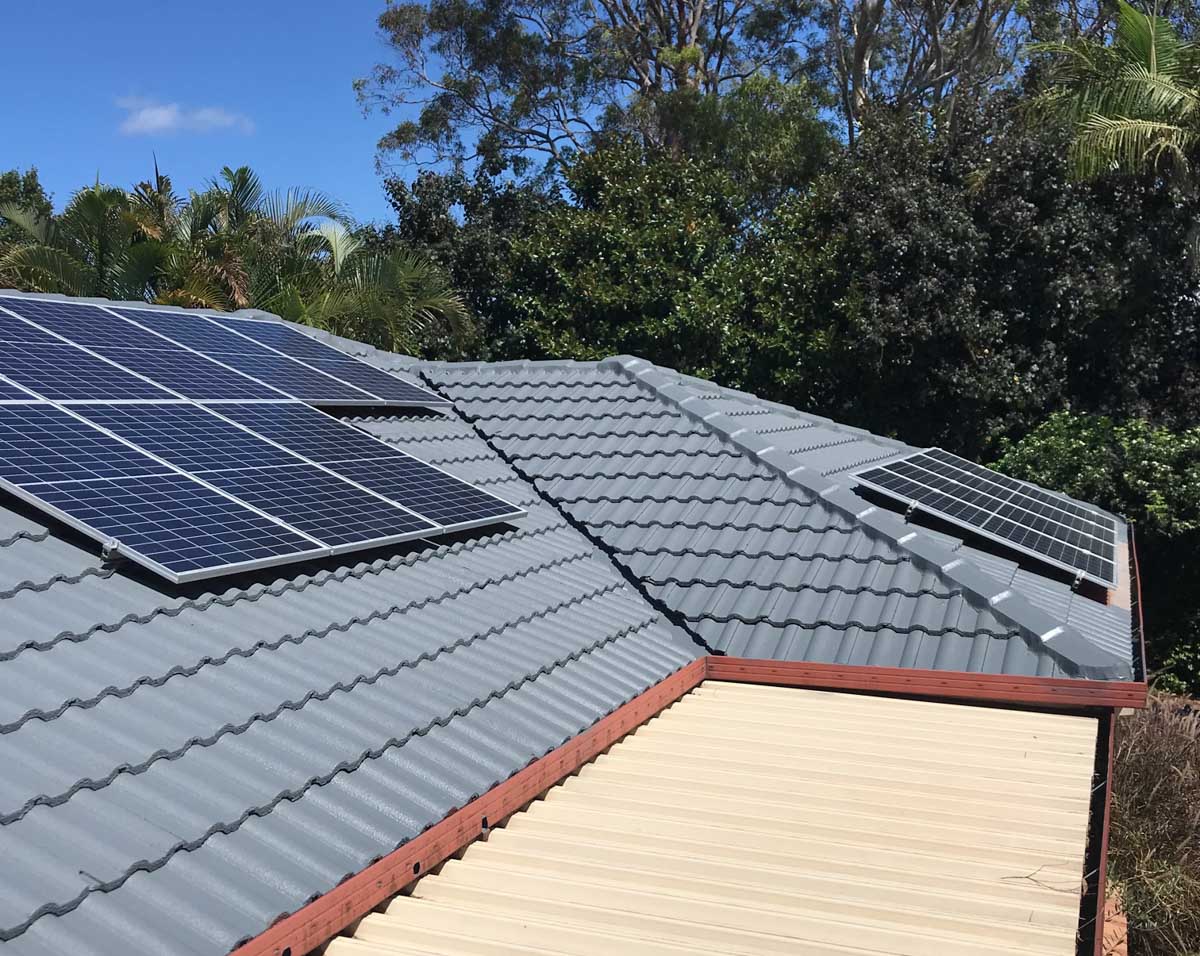
Comprehensive guide to roofing material costs in Sydney for 2024. Compare tile vs metal pricing, Colorbond costs, budget options, and complete project budgeting with installation.
Roofing represents one of the largest home improvement investments, with material costs varying dramatically based on selection. For an average 150m² Sydney home, roofing projects range from $12,000 for budget materials to $45,000+ for premium options—a $33,000 difference driven largely by material choice. Understanding material costs, longevity, and performance helps homeowners make informed decisions balancing upfront investment against long-term value. This comprehensive 2024 guide covers current Sydney pricing for all major roofing materials with complete budgeting information.
Total roofing costs comprise several elements: material costs (tiles, sheets, membranes—typically 30-45% of total), labor/installation (45-55% of total project cost), removal and disposal of existing roof (if applicable—$40-$80 per m²), structural repairs or reinforcement (variable, $50-$200+ per m²), accessories and flashings (valleys, ridges, penetrations—10-15% of materials), and permits and compliance costs (typically $500-$1,500).
This guide focuses primarily on material costs, but remember: material selection also impacts installation costs. Complex materials (terracotta tiles, specialty metals) require more labor, while simpler materials (Colorbond sheets) install faster, reducing labor costs.
Concrete tiles are Australia's most popular roofing material, offering excellent value and performance.
Budget Range Concrete Tiles:
Standard Concrete Tiles:
Premium Concrete Tiles:
Natural clay tiles offer superior longevity and aesthetic appeal at premium pricing.
Standard Terracotta:
Premium Terracotta:
Budget concrete tiles at $45/m² lasting 30 years = $1.50/m²/year. Premium terracotta at $140/m² lasting 70 years = $2.00/m²/year. While terracotta costs 3x upfront, the per-year cost is similar when accounting for longevity. Consider lifespan when comparing material costs.
Colorbond Standard (0.42mm BMT):
Colorbond Premium (0.48mm BMT):
Colorbond Ultra (Specialty Coatings):
Note: Installation typically adds 80-120% to material costs
Materials: Budget concrete tiles, standard flashings, basic sarking
Materials: Standard concrete or Colorbond, quality flashings, foil sarking
Materials: Premium concrete, terracotta, or Colorbond Ultra
Larger roofs benefit from economies of scale, reducing per-m² costs by 5-15%. However, complex roofs with multiple valleys, hips, and penetrations increase material waste (typically 10-20% extra required) and require more flashings and custom work. Simple gable roofs are most economical, while multi-hip or contemporary designs cost more.
Steeper pitches (over 30°) have greater surface area for given footprint, require additional safety equipment and scaffolding, take longer to install (higher labor), and may require specialized materials. Flat or low-pitch roofs require premium waterproofing but less material volume.
Difficult site access increases costs through crane or special equipment requirements, materials handling complexity, limited workspace affecting efficiency, and parking/traffic management. Inner-city Sydney locations typically add 10-20% to project costs compared to suburban areas with easy access.
Multi-story buildings require scaffolding or elevated work platforms ($3,000-$8,000+), increased safety measures and insurance, slower installation due to material handling, and potential crane usage for material lifting. Two-story homes typically add 15-25% to single-story costs.
Material prices fluctuate based on steel prices (Colorbond affected by global steel markets), supply chain disruptions, seasonal demand (prices may be lower in winter), and contractor availability (busy periods command premium pricing). Shopping during off-peak seasons (June-August) can yield 5-10% savings.
Sydney's climate considerations include high UV exposure (favors UV-resistant materials), moderate coastal influence in some areas (requires corrosion resistance), occasional severe storms (needs wind-rated materials), and hot summers (thermal performance matters). Colorbond and quality tiles both perform excellently in Sydney conditions.
Match materials to architectural style: Federation/heritage homes suit terracotta tiles, modern contemporary designs work well with Colorbond or standing seam, traditional suburban homes suit concrete tiles, and prestige properties can justify premium materials. Material choice affects property value and appeal to future buyers.
Consider total cost of ownership including initial material and installation cost, expected lifespan and replacement timing, maintenance requirements and costs, energy efficiency impacts on running costs, insurance implications (some materials offer premium discounts), and resale value enhancement. Premium materials often deliver better long-term value despite higher upfront costs.
Standard concrete tiles: $28,500-$35,000 total. Standard Colorbond: $24,000-$30,000 total. Difference: Colorbond typically $3,000-$5,000 less initially.
Concrete tiles: Re-bedding/repointing ($4,000-$6,000 at year 15-20), coating/restoration ($5,000-$8,000 at year 20-25), individual tile replacement ($800-$2,000 over lifespan) = $10,000-$16,000 total maintenance.
Colorbond metal: Minimal maintenance (gutter cleaning, inspection), occasional fastener replacement ($500-$1,000), possible recoating at year 25+ ($4,000-$7,000) = $5,000-$8,000 total maintenance.
Concrete tiles: $38,500-$51,000. Colorbond: $29,000-$38,000. Metal roofing typically delivers $9,000-$13,000 savings over 30 years for similar quality levels.
For typical Sydney homes (120-180m²), budget $25,000-$40,000 for standard re-roof with quality materials. For premium materials or complex roofs, $40,000-$60,000+. For basic budget re-roof, $20,000-$28,000. Always include 10-15% contingency for unexpected issues (structural repairs, additional battens, etc.).
Consider personal savings (best option—no interest costs), home equity loan or line of credit (typically 4-8% interest), personal loan (6-12% interest but no security required), or contractor payment plans (sometimes available, check interest rates). Avoid high-interest credit cards—roofing projects are too large. Some contractors offer financing arrangements—compare rates carefully.
If storm damage is involved, insurance may cover most or all costs. Review policy carefully—understand excess, coverage limits, betterment clauses (upgrades to current standards may be covered), and claims process. Document damage thoroughly before repairs. Some premium materials may reduce insurance premiums—consult your insurer.
Quality quotes specify exact materials (brand, model, color, gauge/thickness), quantities required with waste allowance, all flashings and accessories, installation method and timeline, warranty coverage (materials and workmanship), exclusions and assumptions, payment schedule, and contractor details (license, insurance, ABN). Vague quotes ("supply and install roof") are unacceptable—insist on detailed specifications.
Ensure all quotes cover identical scope and materials. Don't automatically choose lowest price—consider contractor reputation and warranties, material quality specifications, timeline and project management, communication and professionalism, and insurance and licensing verification. A $5,000 cheaper quote using inferior materials or poor workmanship costs far more long-term.
Roofing material costs vary dramatically based on selection, but understanding pricing helps homeowners make informed decisions. While budget materials minimize initial outlay, mid-range to premium materials often deliver superior value when considering lifespan, maintenance, and performance. For Sydney conditions, both quality concrete/terracotta tiles and Colorbond metal roofing provide excellent long-term value when properly installed.
Key takeaways: Material costs are 30-45% of total project cost. Consider cost-per-year and maintenance, not just initial price. Match materials to climate, building style, and budget. Obtain detailed quotes from multiple contractors. Include 10-15% contingency in budget. Balance upfront cost against long-term value. Quality installation matters as much as material selection. Plan ahead to avoid rush premiums.
Remember: your roof protects your largest investment for decades. Choose materials offering the best combination of performance, durability, and value within your budget.
Planning a roofing project in Sydney? Contact our team for detailed quotes with transparent pricing on quality materials and professional installation.
Our experts are ready to help you with maintenance, repair, or restoration of your roof.
Related articles on this topic
Learn to identify the early signs of roof problems before they become costly repairs.
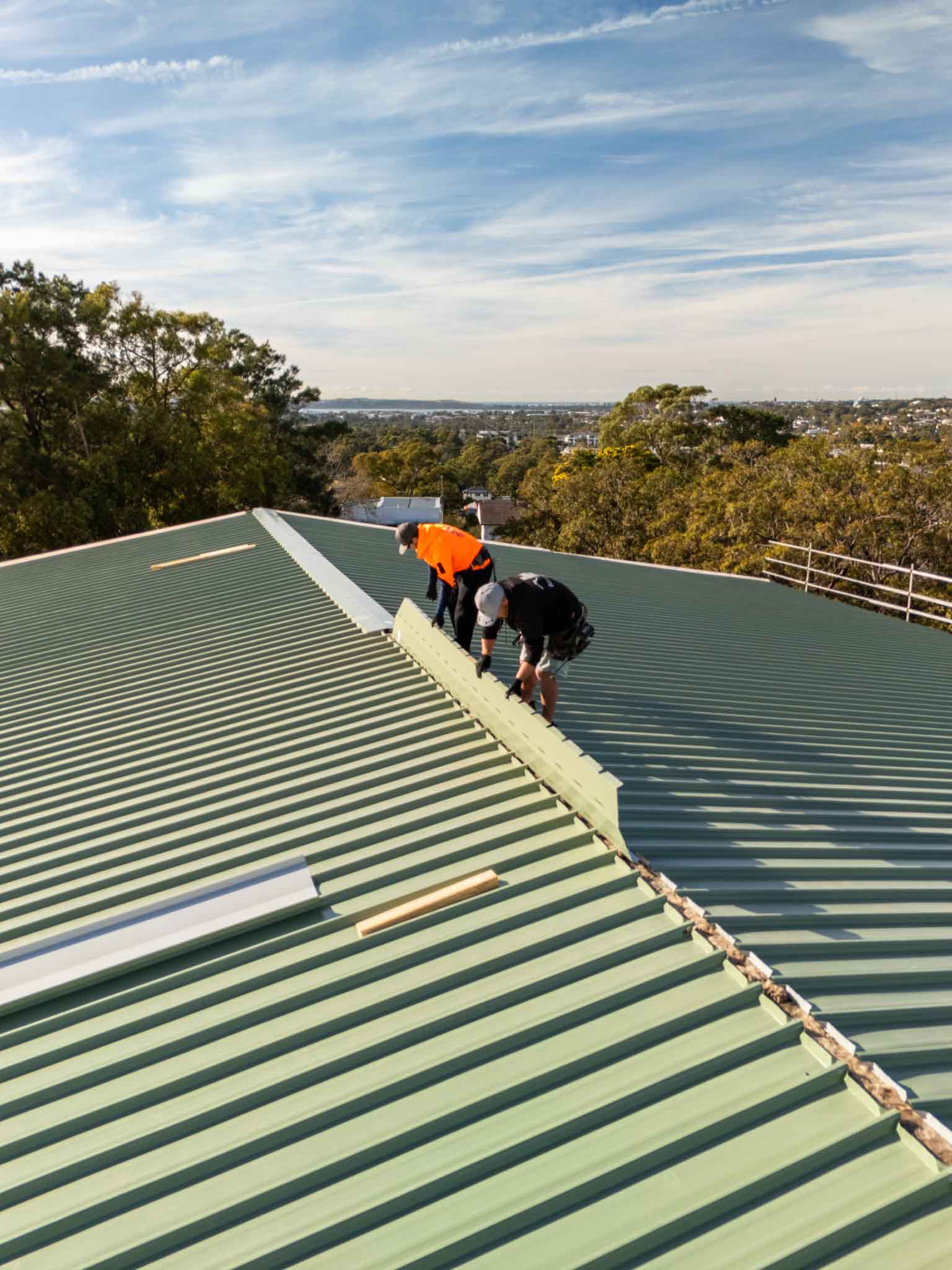
Complete price guide for different types of roof repairs in Sydney.
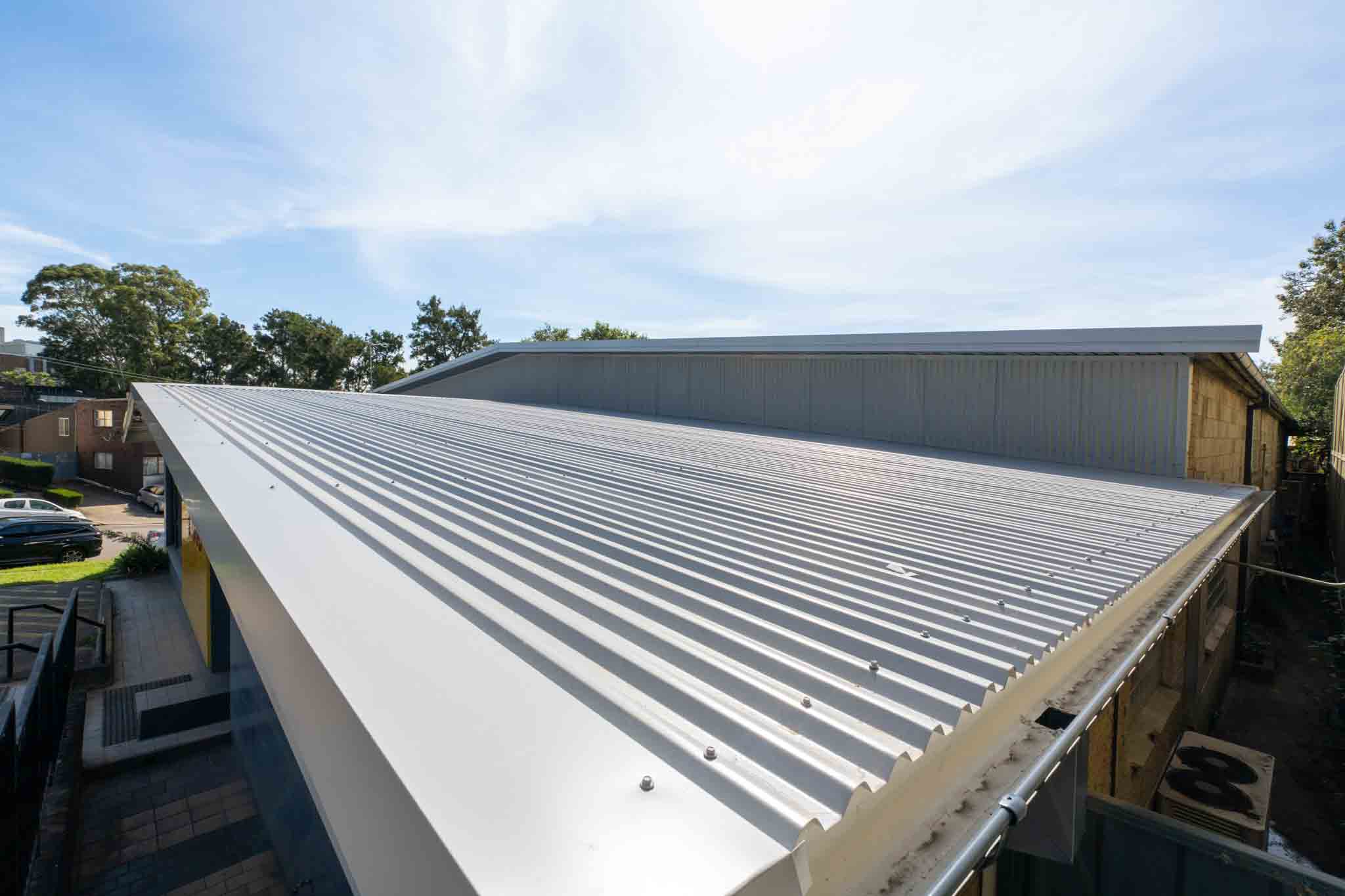
Compare Colorbond, terracotta, concrete and other materials to find the perfect one for your home.
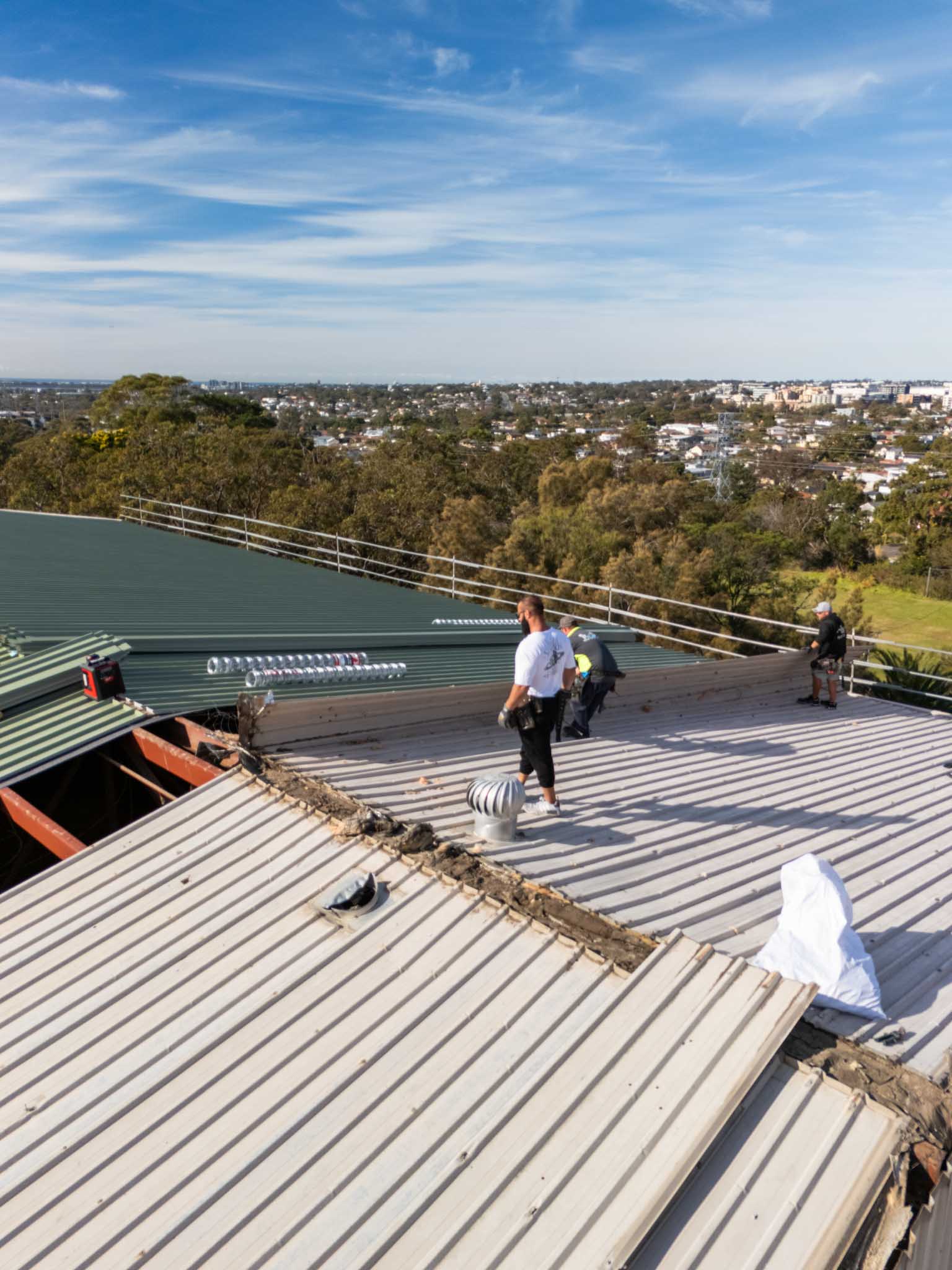
Essential tips to prepare your roof for Australian winter rains and storms.

From urgent make-safes to scheduled remedial works, we deliver clear scopes, photo documentation and workmanship warranties, keeping your operations safe and minimising downtime.