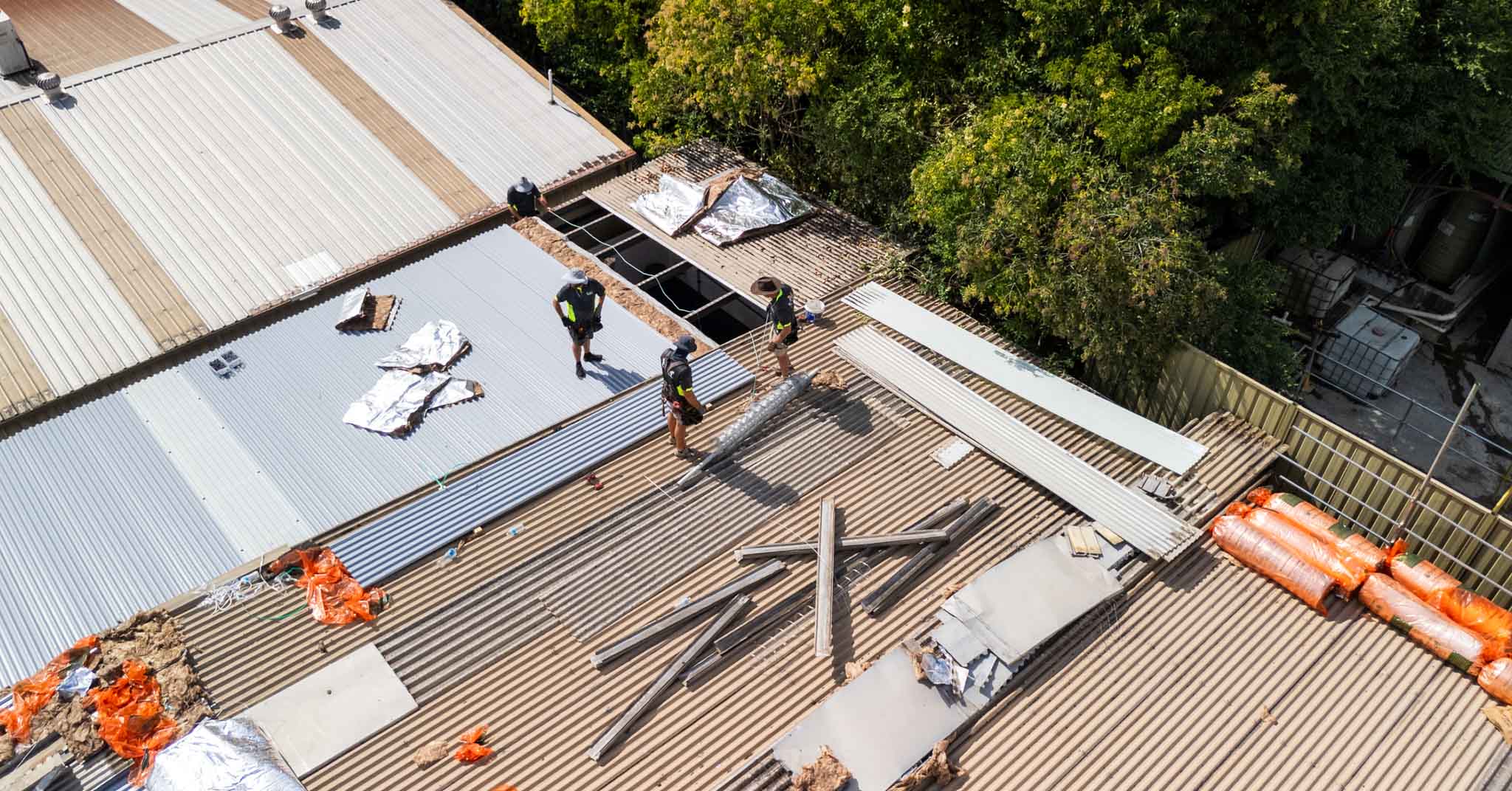
Inspection
Early Warning Signs of Roof Problems
Learn to identify the early signs of roof problems before they become costly repairs.


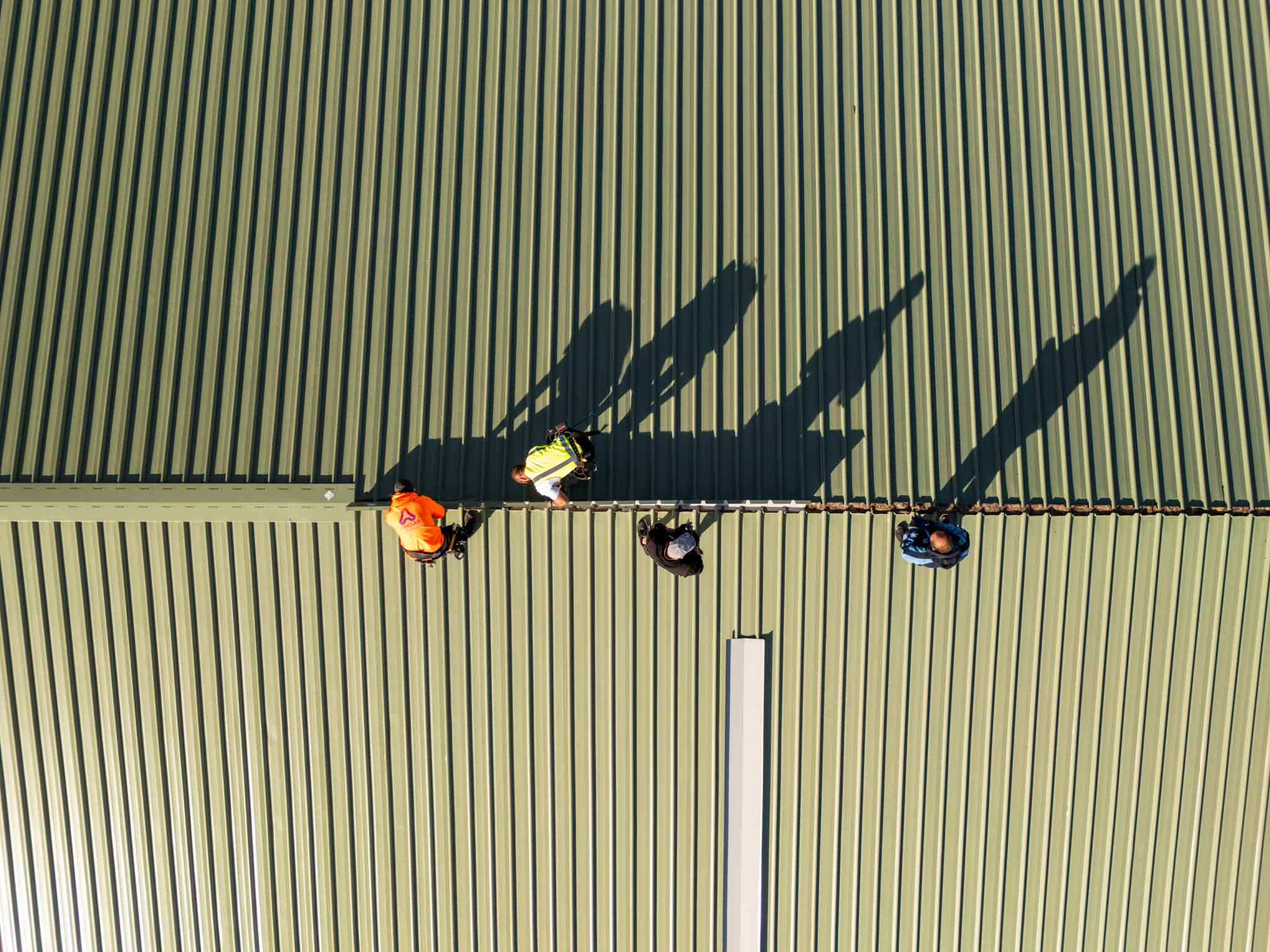
Comprehensive roof inspection checklist for Sydney homeowners. Learn what to look for, inspection frequency, DIY vs professional assessment, and documentation best practices.
Regular roof inspections are the foundation of preventive maintenance, identifying small issues before they become expensive problems. A systematic inspection can reveal minor damage costing $200-$500 to repair before it escalates into major structural damage requiring $5,000-$20,000+ to remediate. This comprehensive checklist provides everything Sydney homeowners need to conduct effective roof inspections—whether DIY ground-level checks or professional comprehensive assessments.
Roofs deteriorate gradually, with problems developing over months or years before becoming obvious. Regular inspections catch issues early when repairs are simple and affordable, prevent water damage to structure and interiors, maintain warranty coverage (many require annual inspections), preserve property value and insurability, provide peace of mind through proactive maintenance, and document roof condition for insurance and resale purposes.
The cost of professional inspection ($250-$450) is minimal compared to preventing a single major leak that could cause $5,000+ in ceiling and interior damage. For Sydney's climate with intense UV exposure and periodic severe weather, annual inspections are essential maintenance—not optional.
Annual professional inspection: Every 12 months for roofs under 20 years old, ideally in spring before storm season. Comprehensive assessment by licensed professional.
Bi-annual professional inspection: Every 6 months for roofs 20+ years old or with known issues. Additional inspection after severe weather events.
Quarterly DIY checks: Simple ground-level visual inspections every 3 months to identify obvious issues. More frequent if trees overhang roof.
Post-storm inspection: After any severe weather event (high winds, hail, heavy rain). Professional assessment if damage suspected.
More frequent inspections are warranted for roofs over 25 years old approaching end of life, previous leak or damage history, high tree coverage causing debris accumulation, extreme exposure (hilltop, coastal), recent severe weather in area, preparing to sell property, and after any roof work or repairs.
Schedule your annual professional inspection in early spring (September-October). This gives time to address any issues before Sydney's summer storm season and allows contractors to complete repairs during optimal dry weather.
Homeowners can safely perform basic visual inspections from ground level using binoculars. Never access your roof without proper safety equipment and expertise.
Roof Covering (Tiles/Sheets):
Ridge Caps and Hips:
Valleys:
Flashings:
Gutters and Downpipes:
Penetrations (Vents, Skylights, Pipes):
From Inside Roof Space:
Ceiling Inspection (From Living Areas):
Never access your roof without proper safety equipment, training, and appropriate weather conditions. Falls from roofs are a leading cause of serious injury and death. Ground-level inspections are safe and effective for homeowners—leave roof access to professionals with proper equipment and insurance.
Professional inspections involve safe roof access and detailed assessment of all components. Licensed inspectors examine:
Tile Roofs:
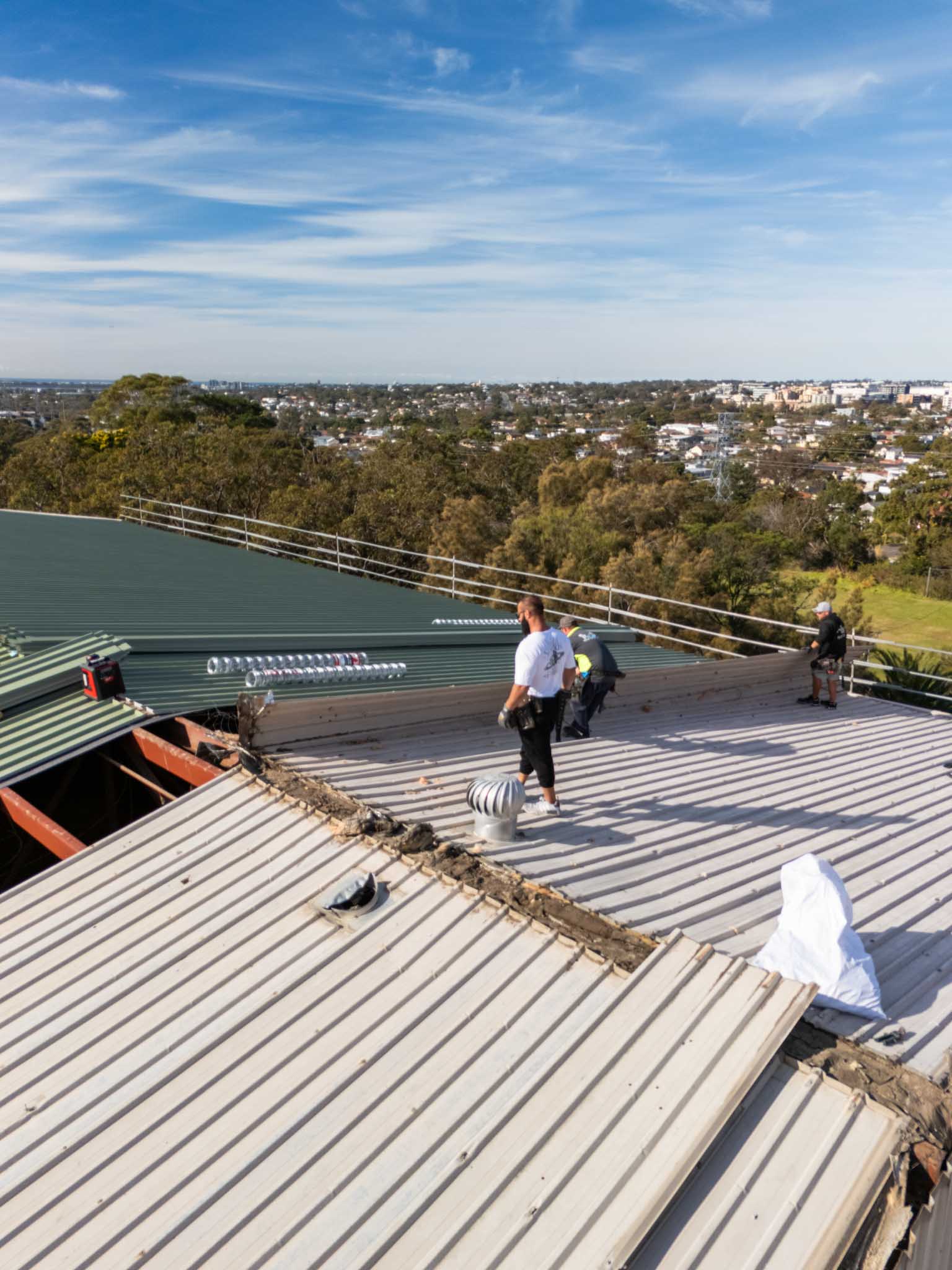
Metal Roofs:
Post-winter assessment and storm preparation. Focus on clearing debris accumulated over winter, checking for winter weather damage, verifying drainage systems functional, assessing readiness for summer storms, and planning any necessary maintenance.
Post-summer assessment and winter preparation. Focus on clearing gutters before winter rain, assessing summer heat damage, checking pointing and sealants before wet season, trimming overhanging vegetation, and addressing any issues before winter.
After any severe weather event. Look for displaced or missing materials, new leaks or water stains, debris impact damage, gutter or downpipe damage, and structural movement or damage. Document immediately for insurance purposes.
Comprehensive visual documentation is essential. Take overview shots of entire roof from multiple angles, close-up photos of specific issues or damage, interior shots of any water stains or damage, dated photos for timeline documentation, and comparison photos showing changes over time. Store digital files securely with date stamps and location tags.
Maintain detailed inspection logs including inspection date and weather conditions, inspector name and credentials (if professional), complete findings and observations, severity rating (minor, moderate, major), recommended actions and timeline, estimated repair costs, and follow-up required. Create a roof maintenance file with all inspection records, repair receipts, warranty documents, and photos.
Compare inspection findings year-over-year to identify progressive deterioration, verify repairs were effective, plan for future maintenance needs, and document roof condition for insurance/resale. Trend analysis helps predict when major work will be needed.
Ground-level visual checks quarterly for obvious issues. Simple gutter cleaning from stable ladder (if confident and safe). Interior ceiling checks for water stains. Monitoring known issues between professional inspections. Post-storm initial damage assessment from ground. However, DIY inspections supplement but never replace professional assessments.
Safe roof access with proper equipment and insurance. Expertise to identify subtle issues. Detailed written reports suitable for insurance or resale. Objective third-party assessment. Knowledge of building codes and standards. Ability to assess structural adequacy. Professional photography and documentation. Repair cost estimates. Prioritized action recommendations.
A $400 annual inspection identifying a minor $800 repair prevents it becoming a $5,000 major repair—saving $4,200 net. Over a roof's 30-year life, annual inspections costing $12,000 total typically prevent $30,000-$50,000+ in avoidable damage and premature replacement. The ROI on professional inspections is exceptional.
Immediate (within 1 week): Active leaks, structural safety issues, missing/displaced materials, and major storm damage.
Urgent (within 1 month): Failed flashings, significant pointing deterioration, multiple damaged tiles, and blocked drainage causing overflow.
Important (within 3-6 months): Minor pointing issues, individual tile replacements, coating deterioration, and ventilation inadequacy.
Planned (within 12 months): Preventive upgrades, cosmetic improvements, efficiency enhancements, and scheduled major maintenance.
Share inspection report with contractors for accurate quotes. Obtain 2-3 quotes for comparison. Verify quotes address all identified issues. Discuss priority of various repairs. Understand timeline for each repair type. Confirm warranties on repair work.
Regular, systematic roof inspections are the single most important maintenance activity for protecting your home and roofing investment. While professional annual inspections are essential, homeowners can supplement with safe quarterly ground-level checks to catch obvious issues between professional assessments.
Key takeaways: Schedule annual professional inspections without fail (bi-annual for roofs 20+ years). Conduct quarterly DIY ground-level visual checks. Document all inspections with photos and written notes. Address identified issues promptly based on priority. Maintain comprehensive records for warranty and insurance. Never access your roof without proper safety equipment and training. Budget for inspection costs as essential maintenance, not optional. Compare findings year-over-year to track deterioration.
A small investment in regular inspections prevents large expenses from undetected problems. Make roof inspection a routine part of your home maintenance schedule—your roof will last longer and perform better as a result.
Ready for professional roof inspection in Sydney? Contact our licensed team for comprehensive assessment with detailed reporting and actionable recommendations.
Our experts are ready to help you with maintenance, repair, or restoration of your roof.
Related articles on this topic
Learn to identify the early signs of roof problems before they become costly repairs.
Complete price guide for different types of roof repairs in Sydney.
Compare Colorbond, terracotta, concrete and other materials to find the perfect one for your home.
Essential tips to prepare your roof for Australian winter rains and storms.

From urgent make-safes to scheduled remedial works, we deliver clear scopes, photo documentation and workmanship warranties, keeping your operations safe and minimising downtime.