Inspection
Early Warning Signs of Roof Problems
Learn to identify the early signs of roof problems before they become costly repairs.



Expert guide to selecting roofing contractors in Sydney. Learn about credentials, licenses, quotes, red flags, contracts, and working with professionals for quality results.
Choosing the right roofing contractor can mean the difference between a roof that lasts 50+ years and one that fails within a decade—or worse, causes immediate problems through poor workmanship. With roofing projects ranging from $5,000 to $40,000+, selecting a qualified, reliable contractor is one of the most important decisions Sydney homeowners make. This comprehensive guide provides everything you need to confidently choose a roofing professional who will deliver quality work at a fair price.
Roofing is a specialized trade requiring technical knowledge, physical skill, safety expertise, and attention to detail. Poor contractor selection leads to substandard work causing leaks and damage, safety incidents during installation, unfinished or abandoned projects, invalid warranties, expensive corrective work, and legal disputes. Conversely, quality contractors provide reliable waterproofing lasting decades, safe work practices protecting workers and property, comprehensive warranties you can trust, peace of mind through professional service, and actually save money long-term through durability.
The cheapest quote is rarely the best value. Focus on finding contractors offering the optimal combination of qualifications, experience, reputation, and fair pricing.
In NSW, roofing work over $5,000 requires a valid building license. Verify the contractor holds appropriate licensing: Contractor License (for companies), Qualified Supervisor certificate (for individuals supervising work), and Owner-Builder permit (only if you're doing work yourself—never hire unlicensed contractors).
Verify licenses through NSW Fair Trading online license check at fairtrading.nsw.gov.au. Ensure license is current and not suspended. Verify license class covers the work type (general building, specialist roofing). Request license number and verify independently. Check for any disciplinary action history.
Comprehensive insurance protects you from liability and ensures financial capacity to complete work. Essential coverage includes:
Always request current Certificates of Currency for all insurance policies. Verify policy details and coverage limits. Confirm policies cover your specific project dates. Never engage uninsured contractors regardless of price.
While not mandatory, professional certifications indicate commitment to quality: Manufacturer certifications (Colorbond installer, Boral/Monier certified), industry association membership (Master Builders Association, Housing Industry Association), safety certifications (Working at Heights, First Aid), and specialized training (roof plumbing, heritage roofing, specific systems). Certified contractors typically deliver higher quality work and offer better warranties.
Never hire unlicensed contractors regardless of how good their price seems. You have no recourse if work is substandard, no warranty protection, potential liability for injuries or damage, possible insurance claim denial, and difficulty selling property with unpermitted work. Always verify licenses before any commitment.
Established businesses demonstrate survival through economic cycles and sustained customer satisfaction. Ideal contractors have a proven track record operating in Sydney, demonstrable project history, evolution and growth (not just survival), and financial stability to stand behind warranties long-term. Be cautious of contractors constantly changing business names or very new operations without verifiable track record.
Roofing encompasses diverse specialties. Ensure your contractor has specific relevant experience with tile roofing (concrete, terracotta), metal/Colorbond roofing, flat roof waterproofing, heritage/specialty roofing, or your specific project type (new installation, restoration, repairs). Request examples of similar completed projects and photos of previous work matching your requirements.
Sydney-based contractors understand local building codes and regulations, weather patterns and appropriate specifications, council requirements and permit processes, and local supplier relationships. Avoid interstate contractors without established Sydney presence—they may not understand local requirements and be difficult to contact for warranty issues.
Research contractors thoroughly online across Google Reviews (check location-specific reviews), ProductReview.com.au, HiPages, True Local, and social media (Facebook reviews, Instagram portfolios). Look for patterns in reviews, not individual outliers, response to negative reviews, consistency over time, and verified/detailed reviews vs generic praise. Be skeptical of contractors with only perfect reviews or very few reviews.
Request 3-5 recent customer references (within last 12 months). Contact references and ask: Was work completed on time and budget? How was communication throughout the project? Were there any issues and how were they resolved? Would you hire this contractor again? How is the roof performing months/years later? Genuine contractors readily provide references. Reluctance suggests problems.
If possible, inspect completed projects. This reveals actual work quality, attention to detail, neatness and professionalism, and durability over time. Some contractors organize site visits to current projects—excellent opportunity to see work methods and site management.
Request written quotes from 3-4 contractors minimum. Quality quotes require site inspection—no accurate quoting from photos alone. Provide identical scope to all contractors for fair comparison. Request detailed breakdowns, not just total price. Allow reasonable time for quotes (1-2 weeks typical). Never accept pressure for immediate decisions.
Comprehensive quotes detail complete scope of work, materials specified by brand and model, labor costs (may be itemized or included), waste removal and disposal, specific exclusions (e.g., structural repairs if found), project timeline with start and completion dates, payment schedule tied to milestones, warranty terms for materials and workmanship, licensing and insurance details, and contractor contact information and ABN.
Don't simply choose the lowest price. Compare total scope (are all quotes for identical work?), material quality (premium vs budget materials), warranty coverage (longer comprehensive warranties add value), payment terms (avoid large upfront payments), project timeline (realistic vs optimistic), and inclusions/exclusions (what's not included?). A mid-range quote from highly qualified contractor often delivers better value than the cheapest price.
Expect 15-25% variation between legitimate quotes due to material selections, overhead costs (insurance, licensing, quality equipment), warranty terms (longer warranties cost contractors more), experience level (premium for established expertise), and scheduling (off-season discounts possible). Quotes varying 40%+ likely indicate different scopes or quality levels—clarify differences before deciding.
Beware of quotes significantly lower than others (30%+ below average). Low quotes often indicate substandard materials, unlicensed contractors, unrealistic project scope, or intention to increase price through "extras" later. If a quote seems too good to be true, it probably is.
All roofing work should have written contracts including both parties' details (names, addresses, contact information, ABN/license numbers), complete scope of work description, materials specifications (brands, models, quantities), total contract price and payment schedule, project start and completion dates, warranty terms (materials and workmanship), insurance details and coverage, dispute resolution process, variation/change order process, termination clauses, and both parties' signatures and dates.
Fair payment schedules tie payments to progress milestones: Initial deposit of 10% maximum upon signing, progress payment 1 (30-40%) after materials delivered and work commenced, progress payment 2 (30-40%) at halfway point, and final payment (10-20%) upon satisfactory completion. Never pay more than 10% upfront. Retain final 10% until completely satisfied. Be wary of contractors demanding large upfront payments—sign of financial instability.
Contracts should specify how scope changes are handled: All changes must be in writing, price adjustments agreed before work proceeds, timeline impacts documented, and changed work included in warranty. Verbal change agreements are unenforceable—always document variations.
Establish clear communication from the outset: Agree on primary contact method (phone, email, messaging), set expectations for response times (24-48 hours reasonable for non-emergencies), schedule regular progress updates, and address concerns promptly and professionally. Quality contractors maintain professional, responsive communication throughout projects.
Facilitate smooth project execution by providing clear access to roof area, removing vehicles from driveway/workspace, protecting valuable plants or structures near work area, informing neighbors of upcoming work (courtesy and potential noise), and securing pets during work hours. Good preparation prevents delays and demonstrates your professionalism as a client.
Monitor progress without micromanaging. Attend scheduled progress meetings or inspections. Raise concerns immediately rather than waiting. Document progress with photos (for your records and insurance). Verify materials delivered match specifications. Inspect work quality at key milestones. Maintain professional, respectful communication.
Before final payment, conduct thorough final inspection with contractor present. Verify all work completed per contract. Test for leaks if possible (water test). Obtain all warranty documentation. Get manufacturers' warranties for materials. Receive care and maintenance instructions. Obtain compliance certificates if required. Request final invoice and proof of payment. Only release final payment when completely satisfied.
Roofing projects include multiple warranties: contractor workmanship warranties with clear terms, manufacturer material warranties (coverage varies by product), and system warranties where applicable (manufacturer-backed installation warranty). Ensure all warranties are in writing with clear terms. Understand what's covered and excluded. Know the claims process for each warranty type. Register manufacturer warranties within required timeframes.
Warranties require ongoing compliance: Follow specified maintenance schedules, use approved contractors for repairs, document all maintenance and service, and avoid unauthorized modifications. Keep comprehensive records of all work, maintenance, and inspections for entire warranty period.
If problems occur, address immediately with contractor directly (document all communication in writing), provide clear description of issue with photos, allow reasonable time for contractor to assess and respond, and seek mutually acceptable resolution before escalating. Many issues resolve through professional communication.
If direct resolution fails, escalate through formal channels: NSW Fair Trading (building disputes, licensing issues), Master Builders/HIA dispute resolution (if contractor is member), NSW Civil and Administrative Tribunal (NCAT) for formal adjudication, and legal action as last resort (consider costs vs benefit). Document everything thoroughly from project start—essential for dispute resolution.
After storms, many contractors appear offering services. Extra caution required: Verify local, established presence (not interstate storm chasers), ensure proper insurance claim procedures followed, never sign insurance claim forms for contractor, avoid large upfront payments, and verify all standard qualifications (license, insurance, references). Your insurance company may have preferred contractor lists.
Heritage projects require specialized expertise. Seek contractors with demonstrated heritage experience, understanding of heritage requirements and approvals, relationships with heritage suppliers, and sensitivity to conservation principles. Heritage work often costs more but requires specialist skills.
Commercial roofing has additional requirements: Appropriate commercial license class, commercial insurance levels (higher limits), commercial project experience and references, understanding of commercial building codes, and capacity to manage larger, complex projects. Don't engage residential-only contractors for commercial work.
While price matters, focus on overall value: a $20,000 roof lasting 50 years ($400/year) delivers better value than a $12,000 roof lasting 15 years ($800/year). This is purely about the lifespan of the roof itself.
Quality contractors cost more upfront but provide superior materials and workmanship, comprehensive warranties you can trust, fewer callbacks and repairs, greater longevity and performance, and peace of mind through professional service. The most expensive quote isn't always best, but neither is the cheapest. Seek the optimal balance of quality, price, and service.
Selecting the right roofing contractor requires diligence, research, and patience. While the process may seem overwhelming, following this guide's systematic approach ensures you engage a qualified professional who will deliver quality work at a fair price. Remember: roofing is a long-term investment in your home's protection and value—choose contractors based on qualifications, experience, and reputation, not solely on price.
Key takeaways: Always verify licenses and insurance independently. Obtain multiple detailed quotes for comparison. Check references and reviews thoroughly. Insist on comprehensive written contracts. Avoid contractors displaying red flag behaviors. Maintain professional communication throughout. Ensure all warranties are documented in writing. Keep detailed records of everything. Trust your instincts—if something feels wrong, it probably is.
Investing time in contractor selection prevents costly mistakes and ensures your roof provides decades of reliable service.
Looking for a qualified, experienced roofing contractor in Sydney? Contact our team—fully licensed, insured, and backed by decades of proven quality service.
Our experts are ready to help you with maintenance, repair, or restoration of your roof.
Related articles on this topic
Learn to identify the early signs of roof problems before they become costly repairs.
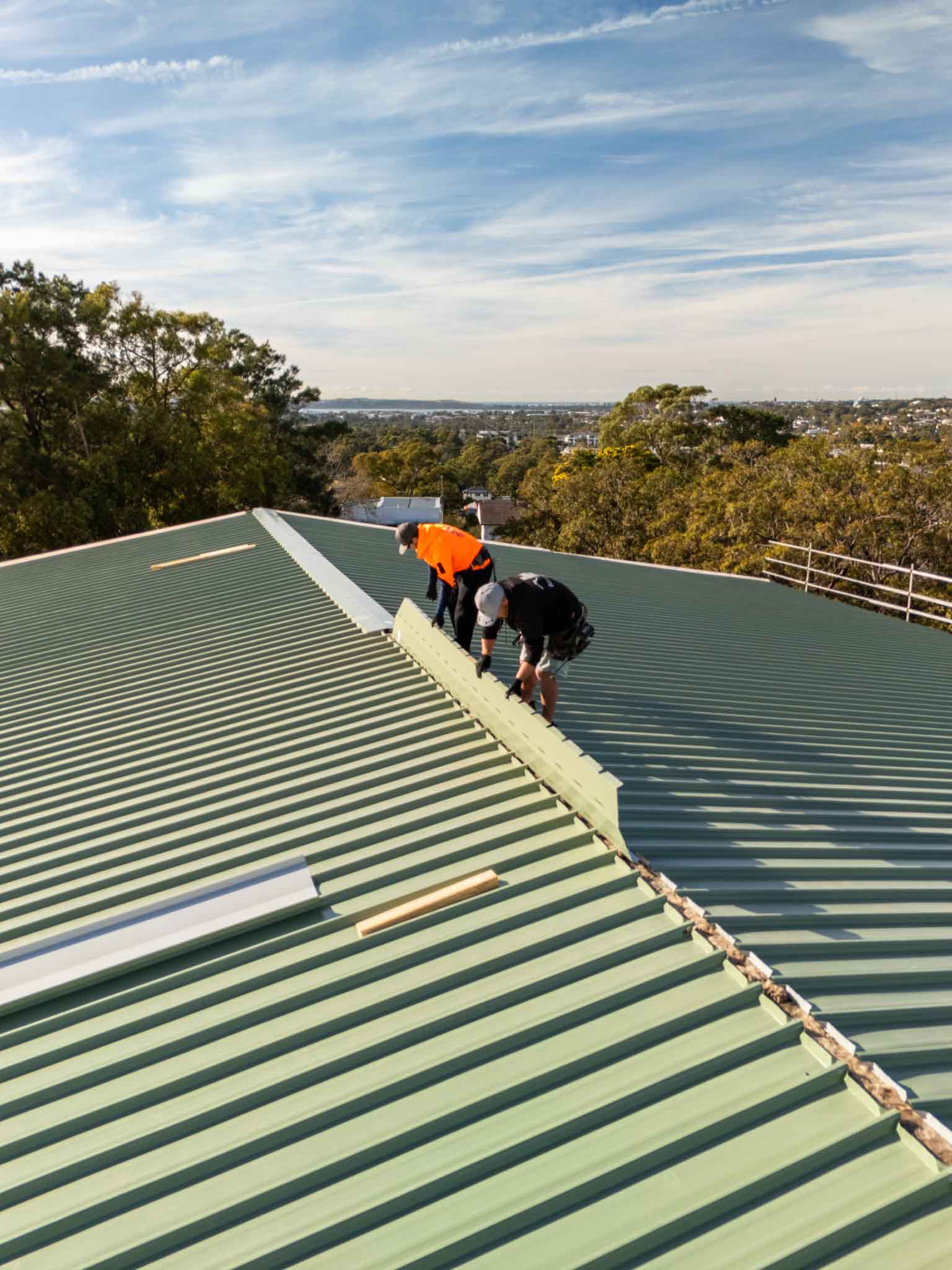
Complete price guide for different types of roof repairs in Sydney.
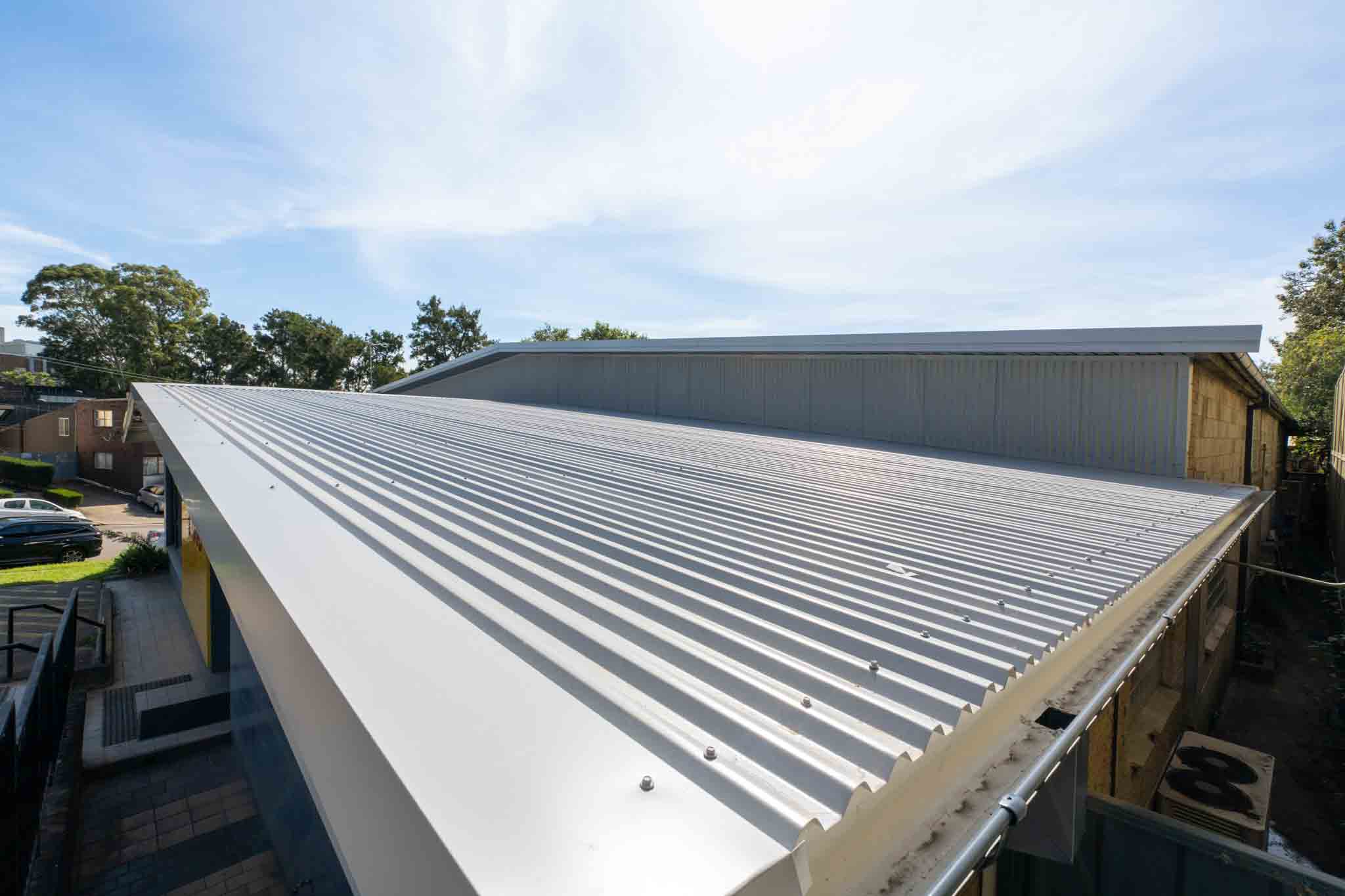
Compare Colorbond, terracotta, concrete and other materials to find the perfect one for your home.
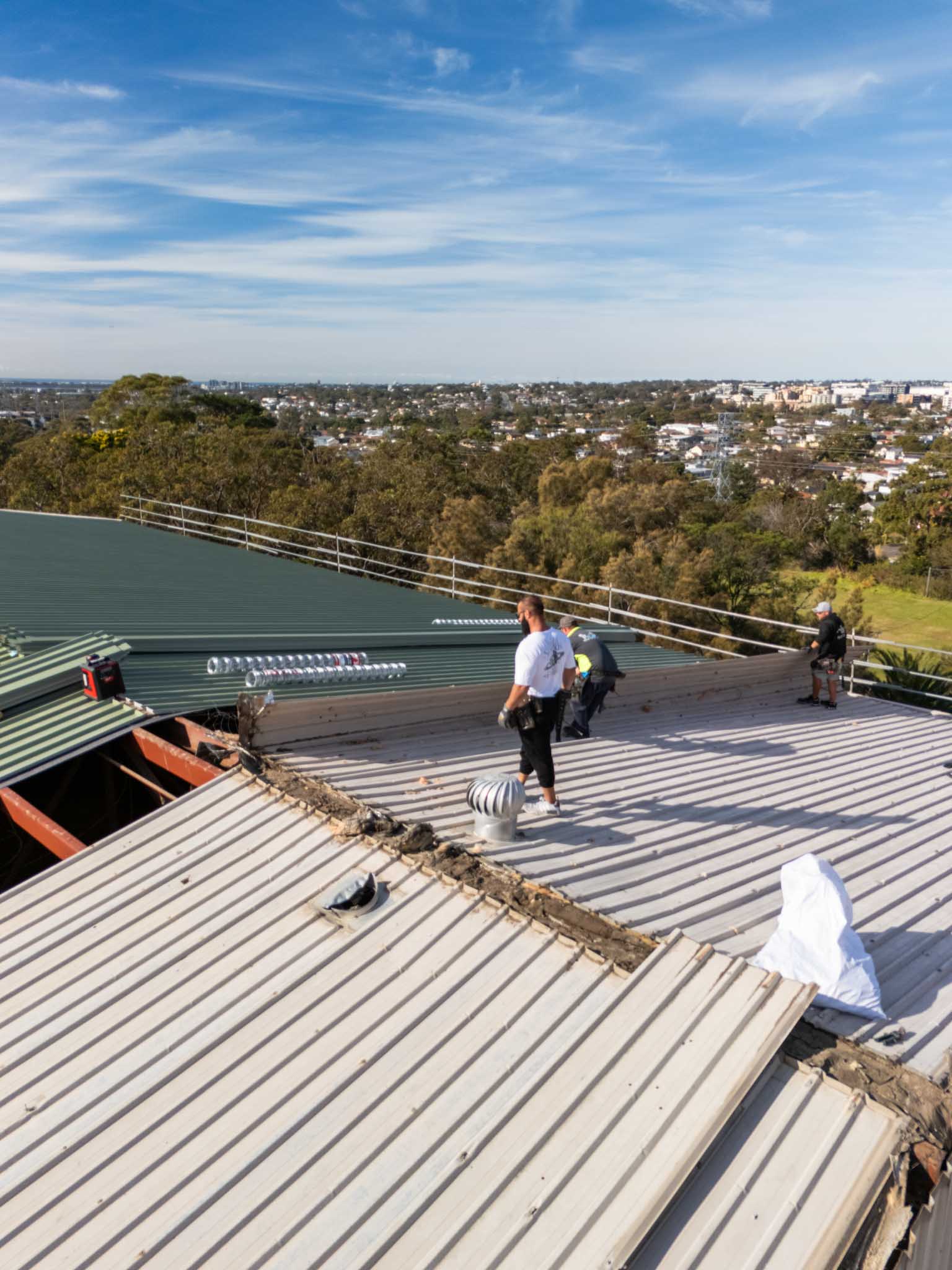
Essential tips to prepare your roof for Australian winter rains and storms.

From urgent make-safes to scheduled remedial works, we deliver clear scopes, photo documentation and workmanship warranties, keeping your operations safe and minimising downtime.