Inspection
Early Warning Signs of Roof Problems
Learn to identify the early signs of roof problems before they become costly repairs.


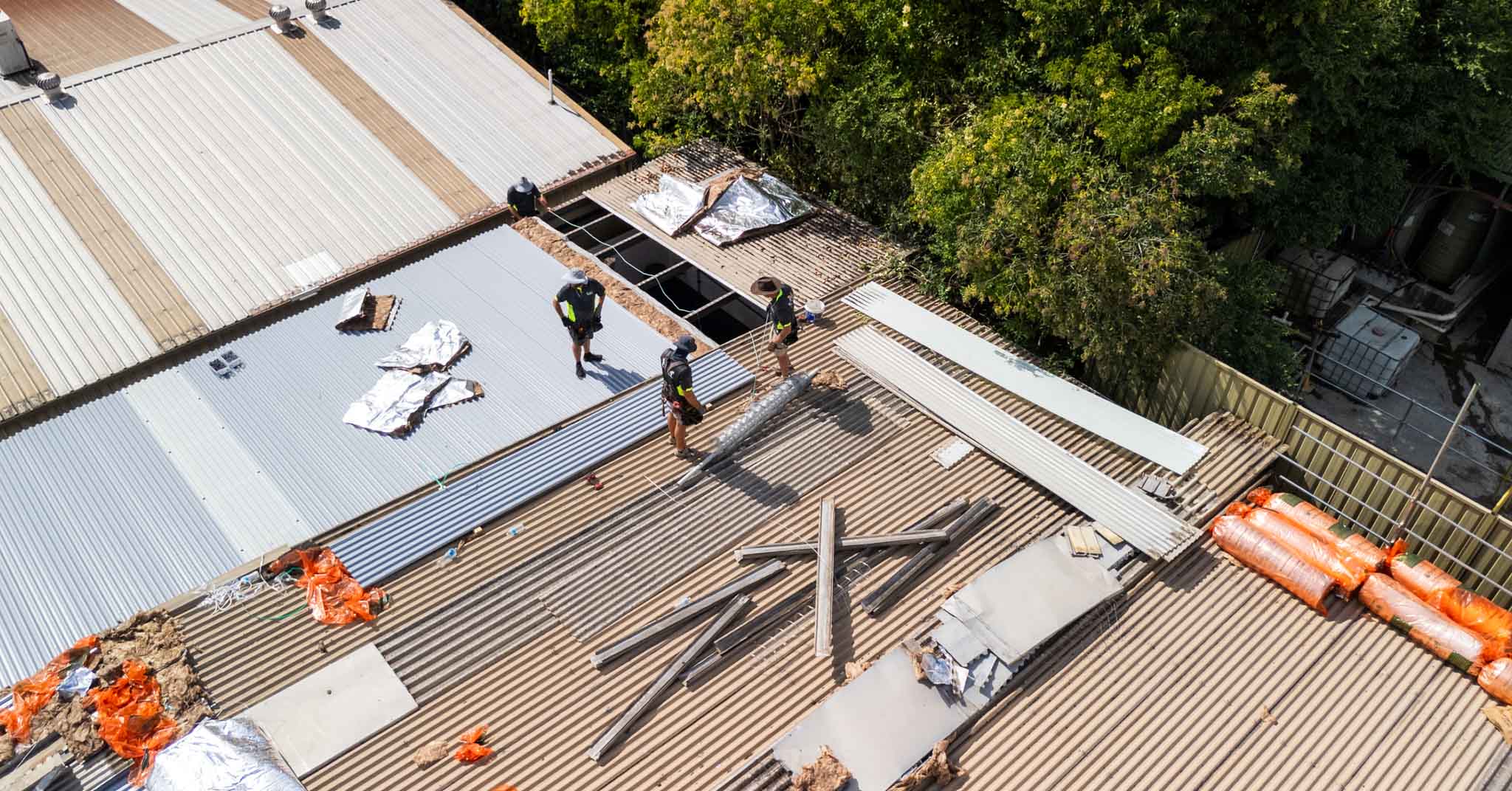
Comprehensive guide to roof wind damage in Sydney. Learn about damage assessment, repairs, insurance claims, prevention strategies, wind ratings, and storm protection.
Sydney experiences significant wind events throughout the year, from severe thunderstorms with damaging downbursts to the occasional severe weather system bringing sustained high winds. These events can cause substantial roof damage—from minor tile displacement to catastrophic structural failure. Understanding wind damage, knowing how to respond, and implementing preventive measures can save thousands in repair costs and protect your home. This comprehensive guide covers everything Sydney homeowners need to know about roof wind damage.
Wind creates both positive pressure (pushing) and negative pressure (suction) on roofs. Counterintuitively, the greatest damage often results from suction forces—wind flowing over and around a roof creates low-pressure zones that can lift materials upward with tremendous force.
Critical pressure zones include roof edges and corners (experiencing 2-3x higher pressures than field areas), ridges and hips (peak exposure to uplift forces), gable ends (direct wind pressure plus suction), and valleys (turbulent flow creating complex forces). Roofs also experience dynamic loading from wind gusts that create fatigue over time, racking forces that can distort structure, and debris impact during severe events.
Sydney's wind classification ranges from N2 (normal) in most urban areas to N3 or N4 in elevated or coastal locations. Building standards require roofs to withstand these classified wind speeds, but older homes may not meet current standards, and poor installation can compromise rated capacity.
Individual tiles lifting, sliding, or being blown off entirely is the most common wind damage. This occurs due to deteriorated bedding and pointing, inadequate fixings or clips, lightweight tiles without proper securing, and exposure at edges and ridges. Even small gaps where tiles lift can allow water ingress during storms. Missing tiles create immediate leak risks requiring emergency repairs.
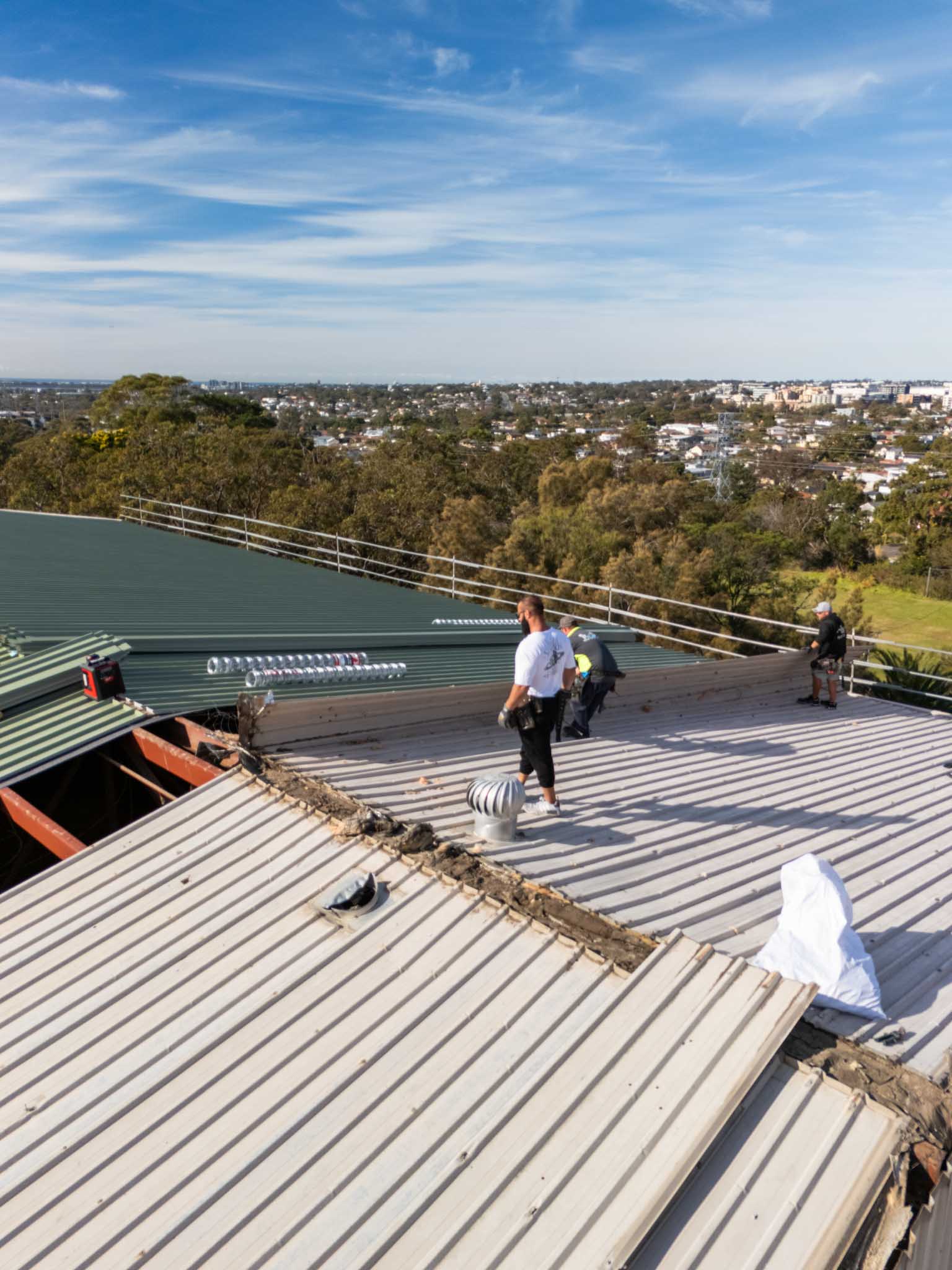
Metal roofs suffer wind damage through sheet lifting at edges or ridges, fastener pull-through or failure, panel distortion from pressure fluctuations, seam separation, and flashing displacement. Colorbond roofs are generally more wind-resistant than tiles when properly installed, but older systems with corroded fasteners or inadequate fixing patterns can fail catastrophically in high winds.
Ridge caps are highly vulnerable to wind uplift, often suffering loosened or displaced caps, complete loss of ridge capping, bedding and pointing failure, and fixing failures. Ridge damage is particularly serious as it exposes the roof structure directly and allows water penetration along the entire ridge line.
Flashings around penetrations, valleys, and roof edges can experience lifting from wind getting underneath, separation from roof surface, fastening failure, distortion or bending, and complete loss of flashing sections. Damaged flashings create immediate leak paths even if surrounding roofing remains intact.
Severe wind events can cause rafter or truss damage, wall plate displacement, connections pulling apart, and bracing failure. Structural damage requires immediate professional assessment and may make buildings unsafe until repaired.
Wind-borne debris causes punctures from branches or objects, broken or cracked tiles, dents in metal roofing, and damaged flashings or vents. Sydney's tree coverage means branch impact is a frequent wind damage mode requiring vegetation management.
Never access a damaged roof during or immediately after a storm. Wind-loosened materials may appear secure but can give way under foot traffic. Wait until winds subside completely and engage professionals for assessment. If major damage is suspected, evacuate affected rooms until professional inspection confirms safety.
Stay indoors and away from damaged areas. Monitor for active leaks and place buckets/containers as needed. Move valuables away from leak areas. Take photos/video of damage if safely possible. Do not attempt roof access during the event. Listen for sounds indicating major failure (cracking, groaning, loud impacts).
Safely inspect your property from ground level using binoculars. Document all visible damage with photos and video. Place temporary protection on interior damage (tarps on furniture, buckets for leaks). Contact your insurance company to lodge initial notification. Arrange temporary emergency repairs if needed (tarping, securing loose materials). Do not authorize major repairs until insurance assessment is complete.
If immediate protection is needed before professional help arrives, cover exposed areas with weighted tarps (never walk on damaged roof), secure loose materials that might cause further damage, and protect interior from water ingress. Only attempt temporary repairs if it's completely safe to do so. Professional emergency roofing services operate 24/7 in Sydney for storm response.
From Ground Level:
From Roof Cavity (Interior):
For anything beyond minor damage, engage a licensed roofer or building inspector for comprehensive assessment. Professional assessment includes safe roof access with proper equipment, detailed damage documentation with photos, identification of all issues (including hidden damage), written report suitable for insurance claims, immediate safety concerns identified, repair cost estimates, and prioritization of urgent vs non-urgent repairs.
Individual tile replacement: Replace damaged tiles matching existing type and color. Ensure proper bedding and fixing. Seal appropriately. Cost: $80-$200 per tile installed.
Ridge cap re-bedding/repointing: Re-bed loose or damaged ridge caps. Install mechanical fixings per current standards. Point with flexible compounds. Cost: $50-$85 per linear metre.
Flashing repairs: Re-secure lifted flashings. Replace damaged sections. Seal all joints thoroughly. Cost: $150-$400 per flashing area.
Multiple tile replacement: Replace damaged tile sections. May require temporary roof protection during work. Ensure entire affected area is secure. Cost: $1,500-$4,000 depending on extent.
Metal sheet replacement: Remove and replace damaged sheets. Match profile and color. Ensure proper overlap and fastening. Cost: $80-$150 per m² including materials.
Complete ridge replacement: Strip all ridge capping. Re-bed with flexible bedding compound. Install mechanical fixings. Point and finish. Cost: $3,000-$6,000 for average home.
Partial re-roof: Replace entire damaged section. May involve multiple roof planes. Includes structural repairs if needed. Cost: $8,000-$20,000+ depending on size.
Structural repairs: Repair or replace damaged rafters/trusses. Reinforce connections. May require engineering assessment. Cost: highly variable, $3,000-$15,000+ for significant damage.
Complete re-roof: Replace entire roof covering and structure if needed. Upgrade to current wind rating standards. Includes all flashings, ridges, and details. Cost: $15,000-$40,000+ for typical Sydney home.
When repairing wind damage, consider upgrading fixing methods to current standards. Installing mechanical fixings on ridge caps and additional tile clips can prevent future damage for relatively small additional cost. Insurance often covers upgrades to meet current building codes.
Most home and contents insurance policies cover sudden storm damage including wind, hail, and rain. However, coverage typically excludes gradual deterioration or wear-and-tear, damage from lack of maintenance, and pre-existing conditions. Review your policy to understand coverage limits, excess amounts, and specific exclusions.
Before Damage (Preventive): Maintain photos showing roof condition. Keep records of maintenance and repairs. Document the roof's age and installation date.
After Damage: Photograph all damage comprehensively from multiple angles. Video walk-through if extensive damage. Document interior damage (water stains, ceiling damage, contents). Note date and time of storm event. Obtain weather bureau records confirming severe weather. Get professional assessment report. Collect repair quotes from licensed contractors.
Contact your insurer immediately (within 48 hours recommended). Provide comprehensive damage documentation. Arrange authorized emergency repairs to prevent further damage (keep receipts). Cooperate with insurance assessor inspection. Provide all requested documentation promptly. Don't authorize major repairs until claim is approved. Keep copies of all communications with insurer.
Insurance assessor will inspect damage and determine coverage. They may approve full replacement, approve repairs with depreciation applied, or partially deny claim for pre-existing issues. If you disagree with assessment, obtain independent professional report, request reassessment with additional evidence, escalate through insurer's internal dispute process, or contact Financial Ombudsman Service if unresolved.
Ensure all damage is documented (assessors may miss items). Request quotes from multiple licensed contractors. Highlight safety issues requiring immediate attention. Understand difference between make-safe and permanent repairs. Don't accept first offer without proper consideration. Engage public loss adjusters for complex or large claims (typically 5-10% of claim value).
Annual professional roof inspection identifies vulnerable areas before storms. Re-bed and repoint ridge caps every 15-25 years. Replace deteriorated tiles promptly. Maintain all flashings in good condition. Keep gutters clear to prevent backup during storms. Trim overhanging trees (remove dead branches, maintain 2-3m clearance). Ensure adequate roof fixings per current standards.
Mechanical ridge cap fixings: Retrofit screws or clips to existing ridge caps. Prevents uplift in high winds. Cost: $30-$50 per linear metre. Provides significant wind resistance improvement.
Tile clips: Install clips on perimeter tiles and high-exposure areas. Relatively inexpensive upgrade ($5-$15 per tile). Dramatically improves tile retention.
Strengthened edge details: Upgrade edge flashings and fixing. Reinforce gable ends and eaves. Install proper starter courses.
Structural reinforcement: Add cyclone ties or straps at connections. Reinforce gable bracing. Upgrade to current wind classification standards.
When replacing roofs, specify wind rating appropriate for location (N2, N3, N4, or cyclonic regions). Use mechanical fixings for all ridge caps and hip tiles. Install tile clips at specified spacing (typically every 3rd-4th tile). Ensure proper edge details and starter courses. Use quality materials with proven wind resistance. Install per manufacturer specifications exactly. Consider wind-resistant profiles (lower profile tiles, properly fastened metal).
N1 (Non-Cyclonic, Low Wind): Up to 34 m/s (122 km/h). Inland non-exposed areas. Minimal wind engineering required.
N2 (Non-Cyclonic, Normal): Up to 39 m/s (140 km/h). Most Sydney suburbs fall here. Standard fixing requirements.
N3 (Non-Cyclonic, Moderate): Up to 50 m/s (180 km/h). Elevated or exposed Sydney locations. Enhanced fixing required.
N4 (Non-Cyclonic, High): Up to 60 m/s (216 km/h). Very exposed coastal or elevated sites. Significant wind engineering needed.
C1-C4 (Cyclonic): Not applicable to Sydney but some products rated for these conditions offer maximum security.
Check building plans (should specify classification). Contact local council building department. Engage structural engineer for assessment. Use AS/NZS 1170.2 wind loading standard. Consider micro-climate factors (elevated position, coastal exposure, lack of wind breaks). When in doubt, build to higher classification for added protection.
Sydney experiences peak storm activity from October through March, with severe thunderstorms most common in spring and early summer (October-December). Late summer and autumn can bring severe weather systems and occasional East Coast Lows with sustained high winds. Winter storms are less common but can still cause wind damage.
Schedule professional roof inspection in September-October. Complete any identified repairs before storm season. Verify insurance coverage is current and adequate. Establish relationship with emergency roofing contractor. Create home emergency plan including roof damage response. Store emergency supplies (tarps, sandbags, battery lights). Clear property of potential wind-borne debris sources. Document current roof condition with photos and video.
After major storms, unscrupulous contractors appear offering services. Warning signs include door-to-door solicitation, pressure for immediate decisions, requests for large upfront payments, no fixed address or local presence, inability to provide references or licenses, and offers too good to be true. Always verify licenses, check reviews, obtain multiple quotes, and never pay large sums upfront.
Choose contractors with established Sydney presence (5+ years operating), valid NSW building licenses and comprehensive insurance, specific storm damage repair experience, relationships with insurance companies, detailed written quotes and scopes of work, comprehensive warranties with clear coverage terms, positive verifiable reviews, and willingness to work with insurance process.
Beyond immediate repairs and prevention, consider implementing a long-term roof maintenance program with annual professional inspections, scheduled re-bedding/repointing, progressive upgrade of fixing systems, vegetation management plan, gutter and drainage maintenance, and documentation of all work. Well-maintained roofs survive storms better, cost less to insure, maintain property value, and avoid emergency repair premiums.
Wind damage is one of the most common and potentially severe threats to Sydney roofs. While we can't control weather, we can significantly reduce vulnerability through proper maintenance, strategic upgrades, and prompt repairs. Understanding wind effects, knowing how to respond to damage, and implementing preventive measures protects your home and provides peace of mind.
Key takeaways: Maintain roofs proactively to reduce storm vulnerability. Upgrade fixing systems to current standards when possible. Respond immediately to storm damage to prevent escalation. Understand your insurance coverage and claims process. Choose reputable contractors for repairs and maintenance. Consider wind ratings and appropriate materials for your location.
Don't wait for the next storm to expose roof vulnerabilities. A small investment in inspection and preventive upgrades today can save thousands in storm damage tomorrow.
Need professional roof wind damage assessment or preventive upgrades in Sydney? Contact our experienced team for comprehensive service you can trust.
Our experts are ready to help you with maintenance, repair, or restoration of your roof.
Related articles on this topic
Learn to identify the early signs of roof problems before they become costly repairs.
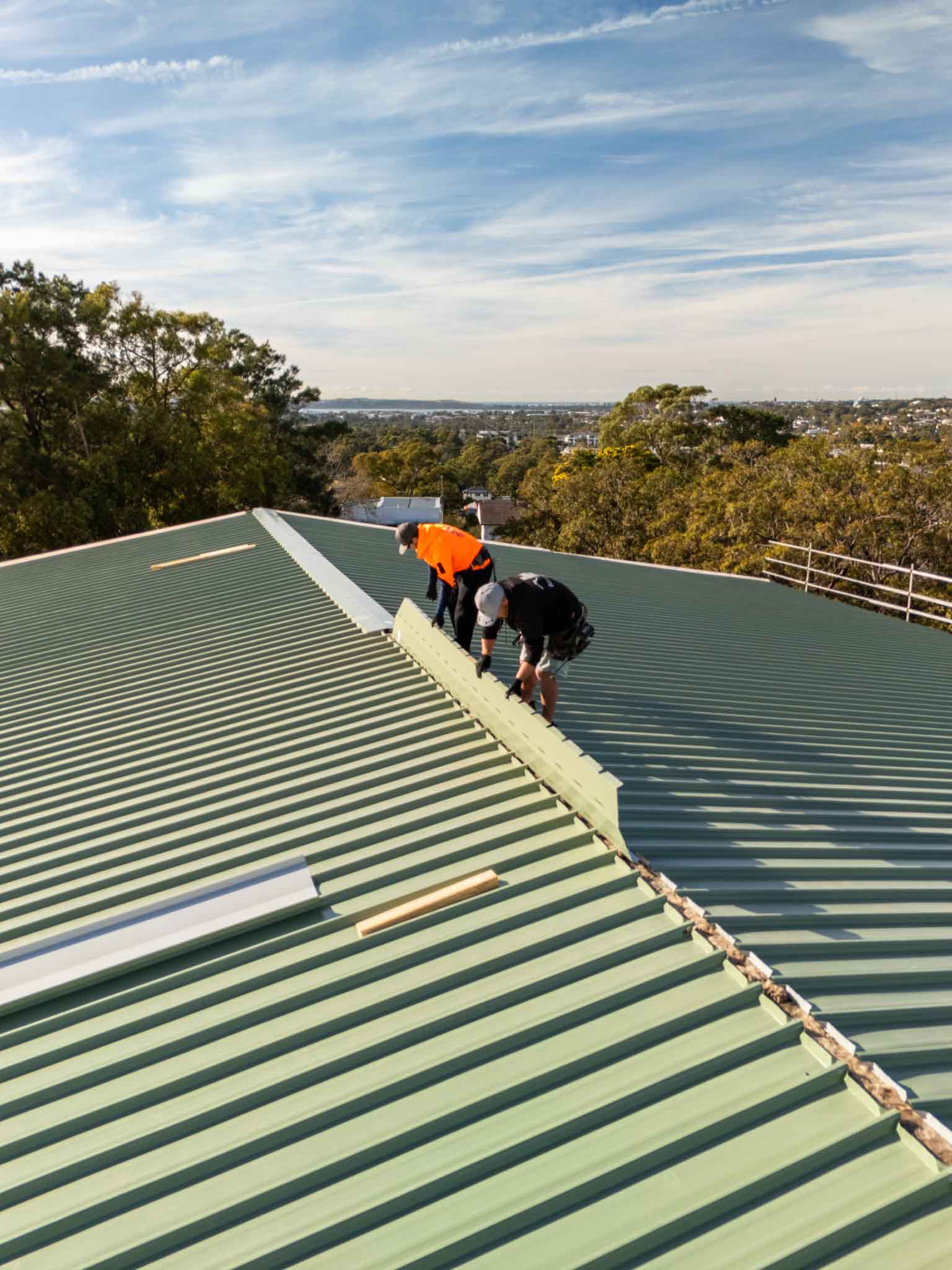
Complete price guide for different types of roof repairs in Sydney.
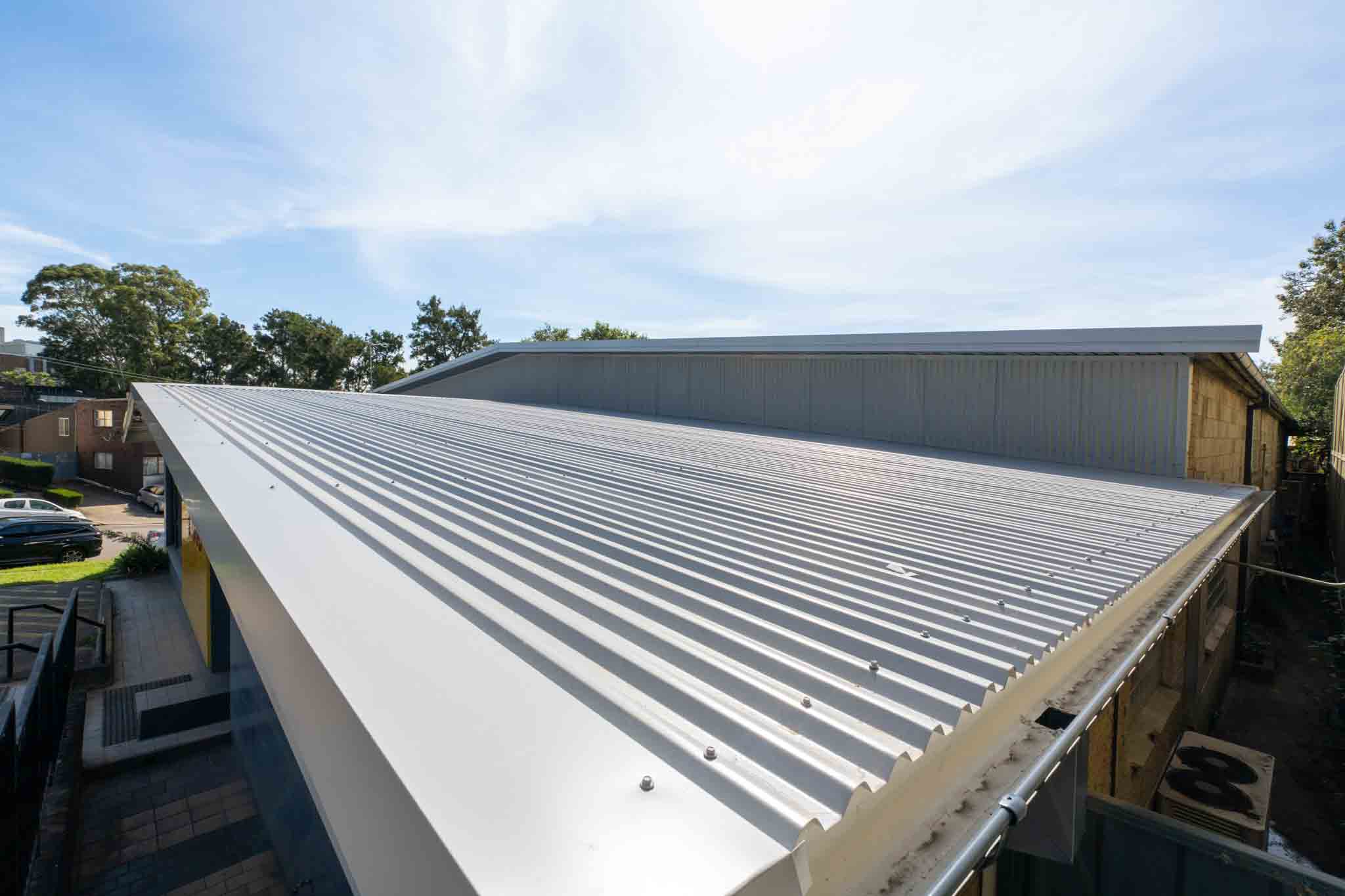
Compare Colorbond, terracotta, concrete and other materials to find the perfect one for your home.
Essential tips to prepare your roof for Australian winter rains and storms.

From urgent make-safes to scheduled remedial works, we deliver clear scopes, photo documentation and workmanship warranties, keeping your operations safe and minimising downtime.