Inspection
Early Warning Signs of Roof Problems
Learn to identify the early signs of roof problems before they become costly repairs.


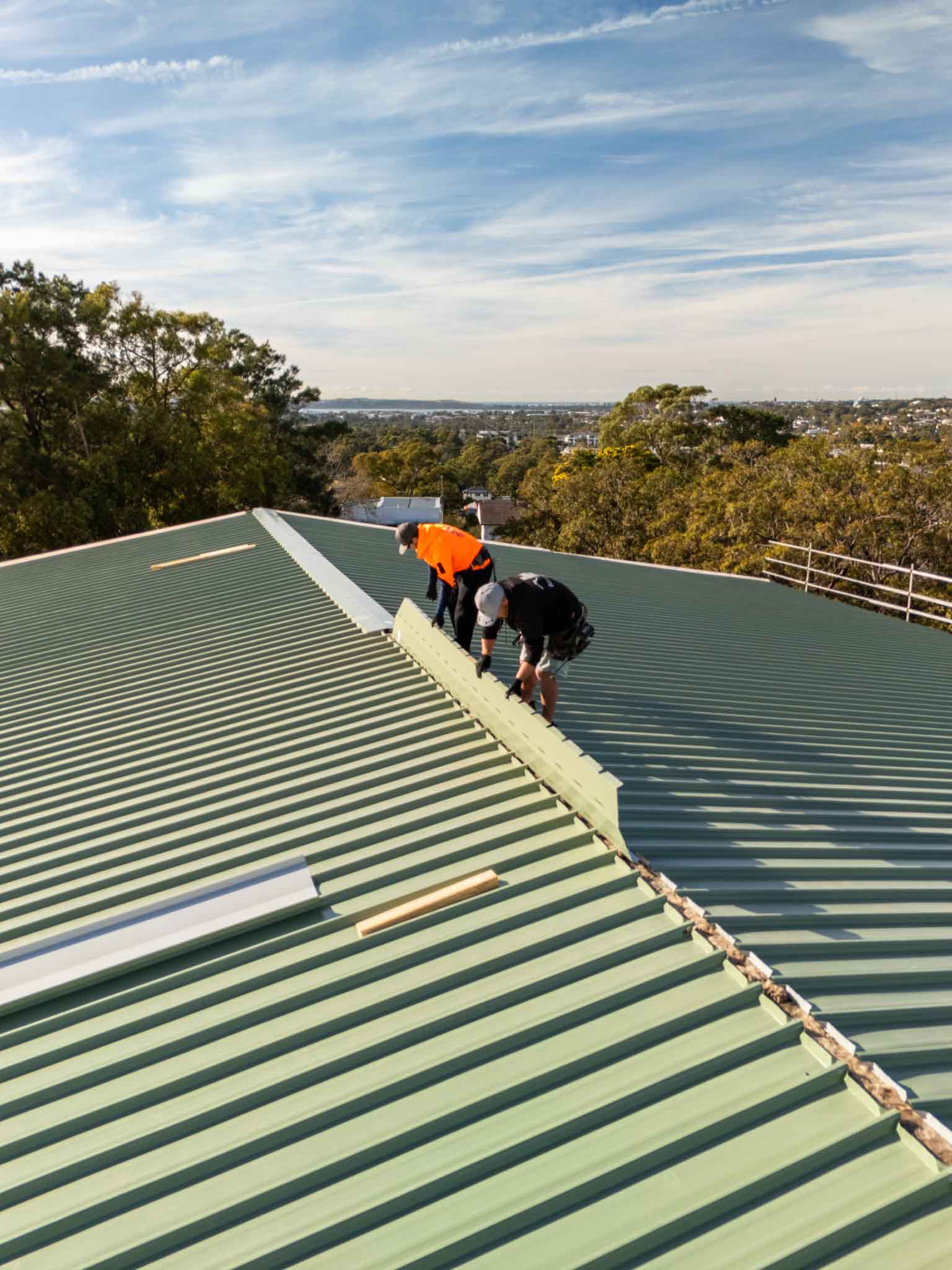
Comprehensive guide to roof waterproofing systems. Learn about waterproofing methods, materials, applications, costs, and choosing the right solution for your roof.
Effective roof waterproofing is one of the most critical defences for Australian homes and commercial buildings. In our climate—ranging from coastal salt-laden winds to tropical downpours and harsh UV—waterproofing failures quickly lead to leaks, timber rot, mould, insulation damage and costly structural repairs. This guide brings together practical trade knowledge, Australian Standards, and real-world case studies to help you specify, install and maintain a reliable waterproofing system.
Water enters through capillary action, wind-driven rain, failed laps, poorly sealed penetrations, or ponding that overwhelms detailing. Once in, moisture migrates along timber and insulation creating concealed damage. Early symptoms include ceiling stains, a musty smell, swollen skirtings and peeling paint.
Work must align with the Building Code of Australia (NCC) and relevant standards, especially AS/NZS 3500.3 (roof drainage), AS 4654.1/2 (waterproofing for external above-ground), AS 1562 (roof and wall cladding), and manufacturer specifications. In bushfire-prone areas, BAL requirements influence material selection and detailing.
Sheet systems excel on large flat roofs where heat-welded seams guarantee continuity. Specify perimeter terminations, mechanical fastening patterns (for wind zones per AS 4055), and approved accessories for corners and penetrations.
Liquids are ideal for complex details—parapets, gutters, penetrations. They require strict film thickness control and correct primers over metal, concrete or existing membranes.
Address shrinkage cracks with detailing bandages; specify vapour barriers where internal humidity is high. Crystalline admixtures can reduce permeability, but a membrane is still recommended for primary waterproofing.
Focus on laps, penetrations and gutters. Liquid membranes are effective for gutters and tricky junctions; sheet overlays can be used for end-of-life roofs.
While tiles shed water, they are not waterproof. Sarking/underlayment, valley flashings and penetration flashings provide the waterproofing layer.
Indicative supply-and-install costs (Sydney, 2025):
Lifespan: 10–30 years depending on material, UV exposure, colour, and maintenance.
Warranties: Manufacturer-backed system warranties with documented QA and periodic inspections.
Testing methods include electronic leak detection, seam probe tests, adhesion pull tests and controlled flood testing.
Failed acrylic over torch-on. Solution: overlay TPO with new terminations, stainless fixings, overflow scuppers. Result: comprehensive system warranty from the manufacturer-approved build-up.
Chronic gutter leaks. Solution: liquid polyurethane gutter lining with reinforcement, sumps and emergency overflows per AS/NZS 3500.3. Result: zero leaks through two storm seasons.
1) Substrate with tapered insulation; 2) Vapour barrier; 3) Membrane layer; 4) Heat-welded seams; 5) Turn-up at parapet; 6) Metal capping with sealant; 7) Primary drain with strainer; 8) Overflow scupper.
Reliable waterproofing demands the right system for the roof type, climate-aware detailing, diligent surface prep and documented QA. Partner with licensed installers who work to the NCC and AS 4654, and schedule routine inspections to protect your warranty and your asset.
Our experts are ready to help you with maintenance, repair, or restoration of your roof.
Related articles on this topic
Learn to identify the early signs of roof problems before they become costly repairs.
Complete price guide for different types of roof repairs in Sydney.
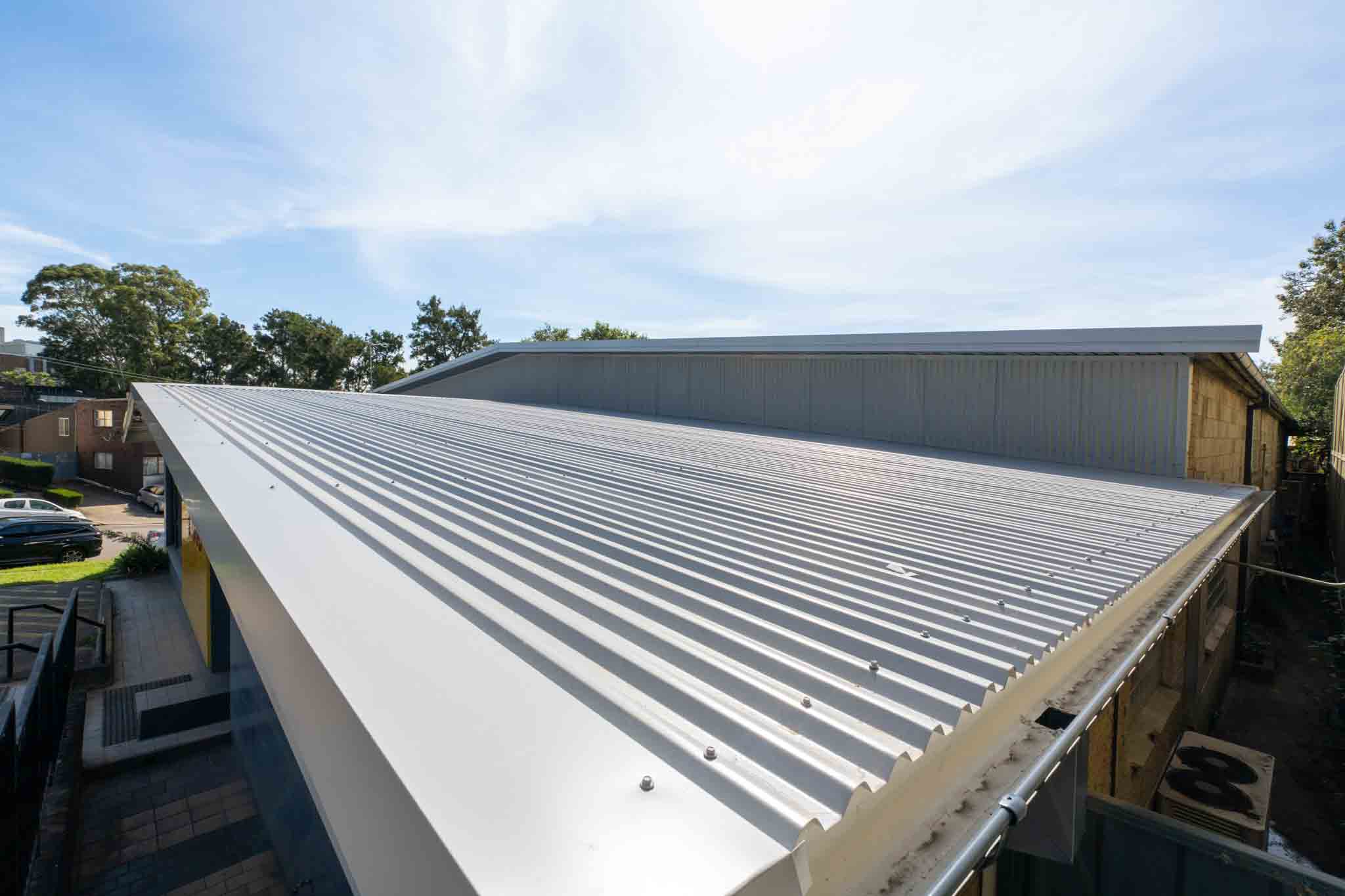
Compare Colorbond, terracotta, concrete and other materials to find the perfect one for your home.
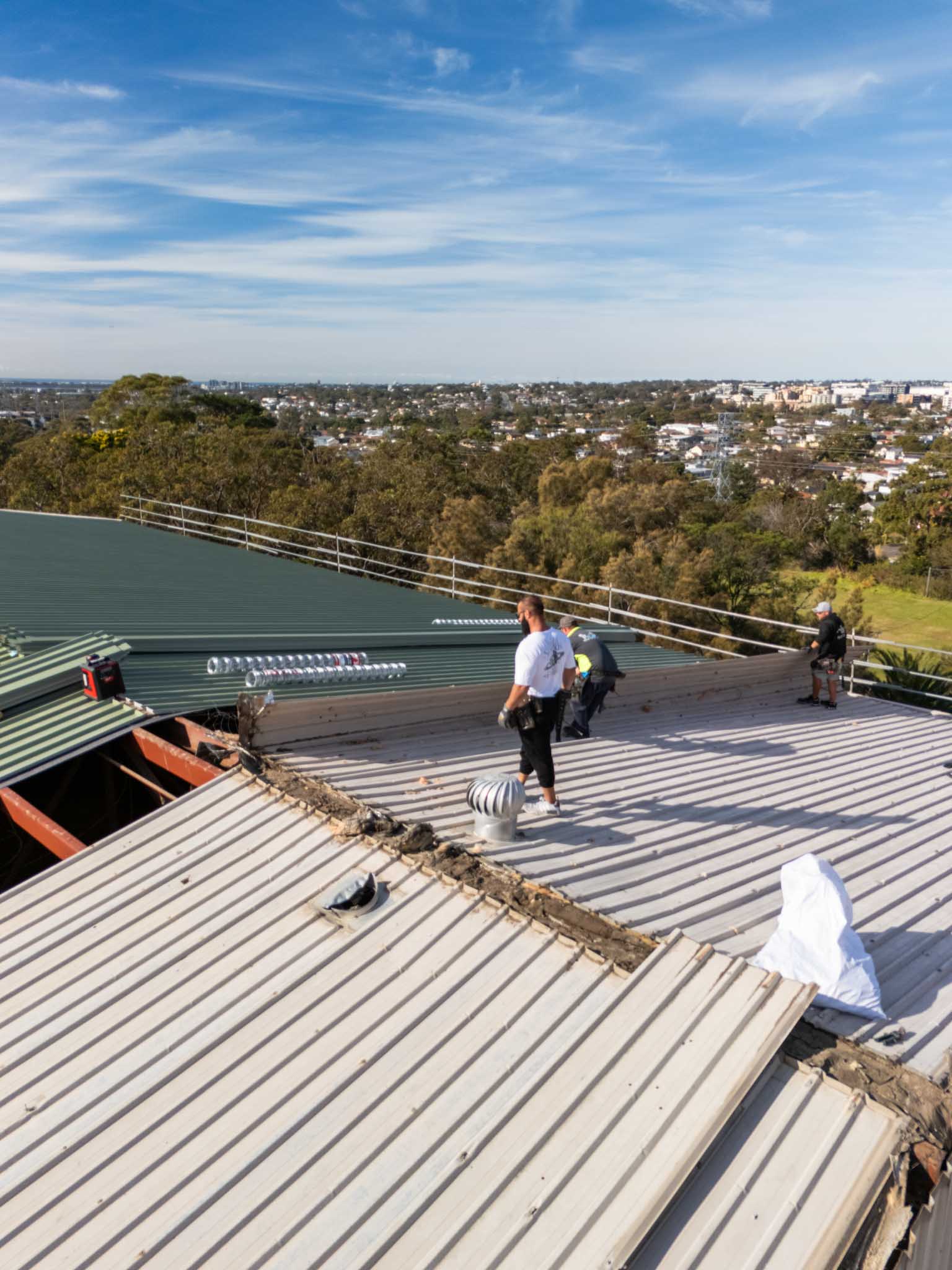
Essential tips to prepare your roof for Australian winter rains and storms.

From urgent make-safes to scheduled remedial works, we deliver clear scopes, photo documentation and workmanship warranties, keeping your operations safe and minimising downtime.