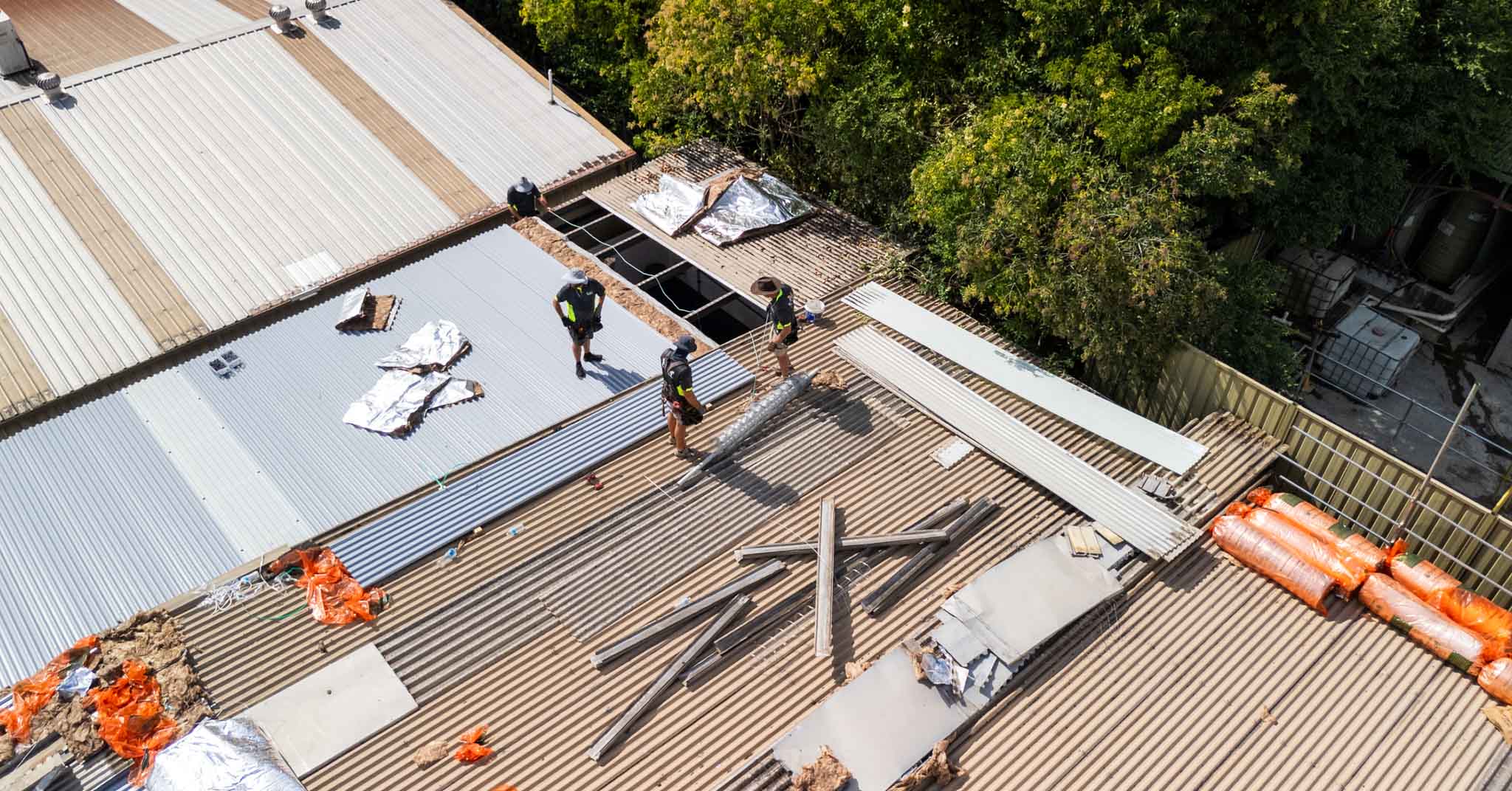
Inspection
Early Warning Signs of Roof Problems
Learn to identify the early signs of roof problems before they become costly repairs.


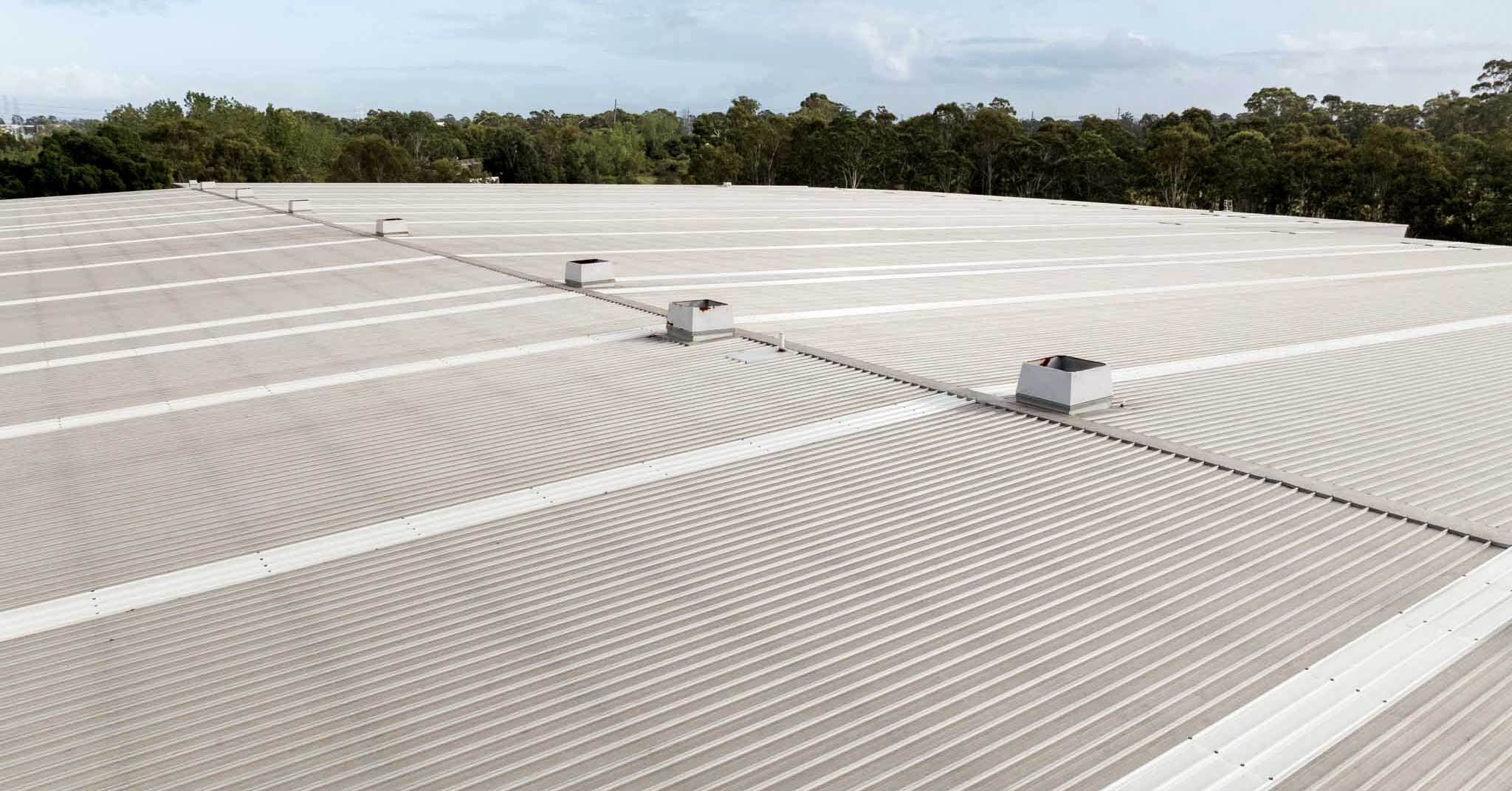
Comprehensive guide to roof warranties in Australia. Learn about warranty types, manufacturer vs workmanship coverage, exclusions, maintaining coverage, and the claims process.
When investing $10,000-$30,000+ in a new roof or major roof work, understanding warranties is essential for protecting your investment. However, roof warranties can be complex, with different types of coverage, numerous exclusions, and strict maintenance requirements. This comprehensive guide explains everything Sydney homeowners need to know about roof warranties—what's covered, what's not, and how to ensure your coverage remains valid for decades.
Manufacturer warranties cover defects in roofing materials themselves—tiles, metal sheets, membranes, flashings, and coatings. These warranties are provided by product manufacturers (Boral, Monier, BlueScope/Colorbond) with coverage that varies by product type, environment, and specification.
What's typically covered:
What's NOT covered:
Typical duration: Coverage length varies significantly by material type, coating system, and installation environment. Terracotta, concrete, Colorbond, coatings, and membranes each have different manufacturer terms—always confirm the specific warranty document for your product and location.
Workmanship warranties cover installation quality and labour performed by roofing contractors. These are separate from material warranties and typically much shorter in duration. Quality contractors provide comprehensive workmanship guarantees.
What's typically covered:
What's NOT covered:
Typical duration: Reputable contractors provide workmanship warranties with clear written terms. Longer, well-defined workmanship coverage generally indicates greater confidence in installation quality. Be wary of contractors offering notably short warranties relative to industry standards, as this may suggest lower confidence in their work.
Some manufacturers offer comprehensive "system warranties" covering both materials and installation when work is performed by certified installers. These provide the highest level of protection but require strict compliance with manufacturer specifications.
Requirements: Installation by manufacturer-certified/approved contractors, use of complete manufacturer system (not mixing brands), strict adherence to installation specifications, professional inspection and certification, and proper registration within the timeframes specified by the manufacturer.
Benefits: Single point of warranty contact, comprehensive coverage for the full system term, enhanced protection against leaks, and manufacturer backing of contractor work.
Examples: Colorbond Ultra system warranty including installation, Boral Premium Plus system warranty, and Monier National Warranty System (variable by product).
Always get warranties in writing before work commences. Verbal warranty promises are unenforceable. Ensure warranty terms are detailed in your contract, including coverage scope and terms, what's included/excluded, and claims procedures.
Non-prorated warranties provide full coverage for the entire warranty period. If a covered defect occurs early or late in the term, the manufacturer or contractor covers the full repair or replacement cost. These are rare and highly valuable.
Prorated warranties reduce coverage over time, typically on a straight-line basis. In a prorated structure, the manufacturer or contractor covers the full repair or replacement cost during the early portion of the warranty, then progressively reduces their contribution. By the later years of the warranty term, you may receive only a fraction of the original coverage, paying the remaining share yourself.
Many manufacturer warranties combine both structures: an initial period of full non-prorated coverage, followed by a longer prorated phase where the manufacturer's contribution declines toward the end of the warranty term. Always understand which structure applies to your warranty and how coverage changes over time.
Most warranties limit coverage to either material/labour cost (excluding consequential damages) or replacement material only (you pay labour). Few warranties cover consequential damage from defects—water damage to ceilings, walls, contents, or structural repairs. This is why comprehensive home insurance remains essential.
Maximum claim values may be capped (e.g., "not to exceed original material cost"). Some warranties are transferable to new owners (valuable for resale), while others are void on property sale.
Most warranties require documented annual maintenance to remain valid. Failure to clean gutters, remove debris, or conduct professional inspections can void your entire warranty. Keep detailed records of all maintenance, repairs, and inspections throughout the warranty period.
Many manufacturer warranties require registration within the timeframes specified by the manufacturer after installation. Failure to register voids coverage, even for legitimate defects. Ensure your contractor handles registration or does it yourself immediately. Keep confirmation of registration permanently. Verify registration details are correct (address, product, date). Update registration if you move or sell property (if transferable).
Maintain comprehensive records including original contract and warranty documents, proof of material purchase and installation, registration confirmation, all maintenance records (dates, work performed, by whom), photos of installation and current condition, receipts for any repairs or work, and correspondence with contractors or manufacturers.
Create a "roof file" with all documentation in one place. Scan or photograph all documents for digital backup. Store securely for the duration of the warranty period and a reasonable time after it ends.
Follow manufacturer's specified maintenance requirements exactly. Typical requirements include annual professional inspection, bi-annual gutter cleaning, prompt removal of debris, moss/algae treatment as needed, immediate repair of minor damage, and documentation of all maintenance performed.
Use licensed professionals for inspections and repairs. Keep detailed records with dates, provider details, and work performed. Photograph roof condition annually as evidence of maintenance.
Never allow unlicensed persons to work on warrantied roofs. Obtain written approval from warranty provider before significant modifications. Use approved materials for any repairs or additions. Ensure any work complies with original specifications. Document all approved work thoroughly.
Warranty-covered defects typically present as premature material deterioration, coating failure or delamination, manufacturing defects (cracking, warping), leaks from installation errors (if workmanship warranty), or failure before expected lifespan. Non-warranty issues include storm or impact damage, wear-and-tear after reasonable period, problems from poor maintenance, or damage from unauthorised repairs.
Step 1: Document the Issue - Photograph or video all damage or defects comprehensively. Note when problem first appeared and any progression. Document any related interior damage. Gather all relevant warranty and maintenance documents. Review warranty terms to confirm coverage likely.
Step 2: Contact Warranty Provider - For material defects, contact manufacturer's warranty department. For installation issues, contact original contractor first. Provide clear description of problem with evidence. Reference warranty document and registration details. Keep records of all communications.
Step 3: Professional Inspection - Manufacturer or contractor will usually arrange inspection. Ensure qualified inspector examines the issue. Be present during inspection if possible. Take your own photos of inspector's examination. Get written inspection report and findings.
Step 4: Claim Determination - Warranty provider determines if issue is covered. If approved, they'll outline remedy (repair, replacement, payment). If denied, request detailed written explanation. Review warranty terms to assess if denial is valid. Consider independent assessment if you disagree with denial.
Step 5: Remedy Implementation - For approved claims, schedule repair or replacement promptly. Ensure work is performed to proper standards. Inspect completed work thoroughly. Obtain documentation of warranty work performed. Verify remaining warranty coverage continues.
If your claim is denied, obtain denial in writing with specific reasons, review warranty terms to verify if denial is justified, get independent professional assessment if you believe denial is incorrect, escalate to manufacturer's customer service management, consider formal dispute resolution (see below), and document everything for potential legal action.
Start with contractor or manufacturer's customer service. Escalate to senior management or director level. Provide comprehensive documentation supporting your position. Remain professional and factual in communications. Set reasonable deadlines for responses.
NSW Fair Trading handles building disputes and contractor licensing issues. Master Builders Association offers dispute resolution for members. Housing Industry Association provides similar services. Industry ombudsmen may assist with product disputes.
For small claims (under $10,000), NSW Civil and Administrative Tribunal (NCAT) provides accessible process. For larger claims, District or Supreme Court may be necessary. Consider cost vs benefit—legal action is expensive. Consult solicitor specialising in building disputes. Most warranties include dispute resolution clauses requiring mediation first.
Home insurance typically covers sudden events like storm damage (wind, hail, lightning), fire damage, falling objects (trees, aircraft), and impact damage. Insurance provides consequential damage coverage (interior water damage, contents) and usually has much faster claims processing than warranties.
Warranties cover manufacturing defects, premature material failure, installation errors causing problems, and gradual deterioration beyond specifications. However, warranties rarely cover consequential damages and have strict exclusions and requirements.
Many roof problems involve both insurance and warranty considerations. For example, if a defective tile cracks in a storm, insurance might cover immediate leak damage while warranty covers tile replacement. Understand what each covers to maximise protection. Maintain both comprehensive insurance and valid warranties.
Transferable warranties significantly increase property value and buyer confidence. When selling, provide buyers with complete warranty documentation, transfer warranties per manufacturer/contractor procedures, demonstrate consistent maintenance through records, and highlight remaining warranty period in marketing.
Buyers should verify warranties are transferable, confirm registration is current, request all warranty documentation, understand remaining coverage period and terms, and factor warranty value into purchase decisions.
Some manufacturers offer extended warranties for additional cost. Evaluate cost vs benefit carefully—extended warranties for premium materials may add $500-$2,000 to project cost. Consider value if you plan long-term occupancy and whether extended coverage is comprehensive or just materials. Compare to expected material lifespan and check if prorated or non-prorated coverage.
Often, selecting premium materials with better standard warranties provides more value than extending basic warranties.
Understanding roof warranties is essential for protecting your significant roofing investment. While warranties provide valuable coverage against defects and failures, they require careful attention to terms, strict compliance with maintenance requirements, and thorough documentation to remain valid.
Key takeaways: Always obtain written warranties before work commences. Understand exactly what's covered and excluded. Register warranties promptly and maintain required maintenance schedules. Document everything thoroughly and keep records for the entire warranty period. Choose reputable contractors likely to honour warranties long-term. Maintain comprehensive insurance alongside warranties.
A roof warranty is only as valuable as your ability to enforce it. By following the guidelines in this article, you'll maximise your warranty protection and ensure coverage remains valid when needed.
Planning a roofing project in Sydney? Contact our team for comprehensive warranties backed by decades of proven performance and financial stability.
Our experts are ready to help you with maintenance, repair, or restoration of your roof.
Related articles on this topic
Learn to identify the early signs of roof problems before they become costly repairs.
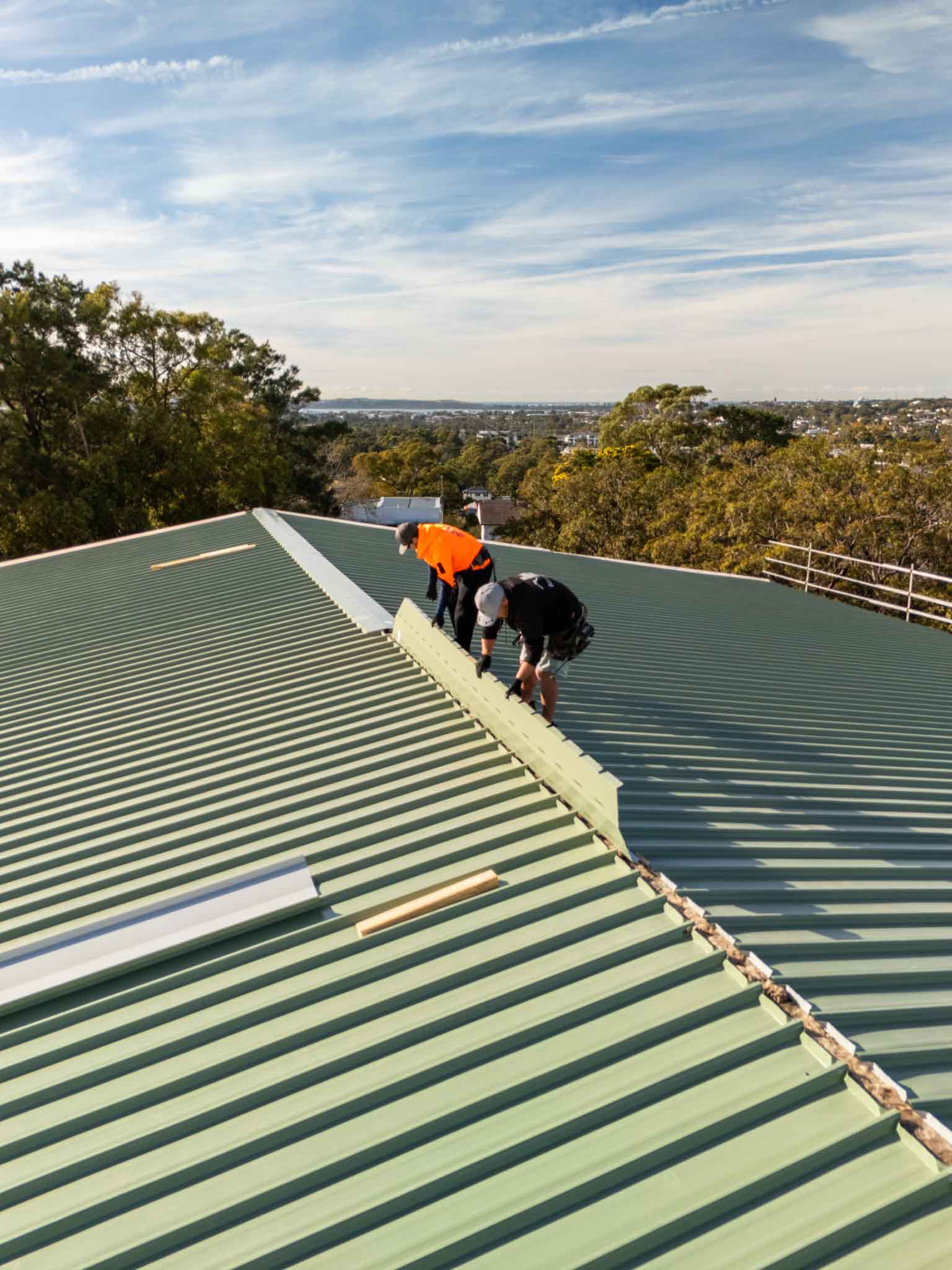
Complete price guide for different types of roof repairs in Sydney.
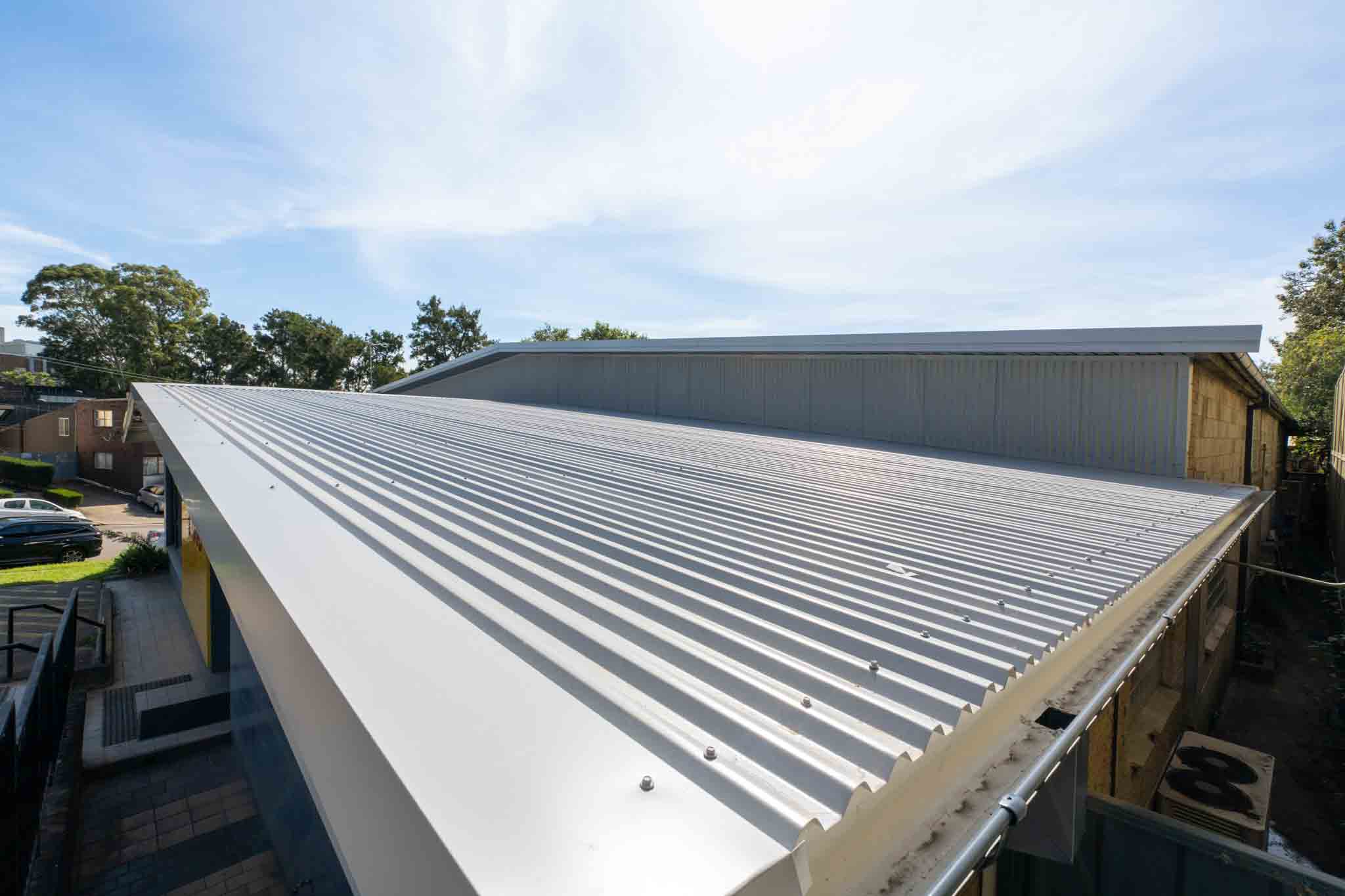
Compare Colorbond, terracotta, concrete and other materials to find the perfect one for your home.
Essential tips to prepare your roof for Australian winter rains and storms.

From urgent make-safes to scheduled remedial works, we deliver clear scopes, photo documentation and workmanship warranties, keeping your operations safe and minimising downtime.