Inspection
Early Warning Signs of Roof Problems
Learn to identify the early signs of roof problems before they become costly repairs.



Comprehensive guide to roof ventilation systems. Learn about ventilation types, how they work, benefits, installation, costs, and optimising airflow in your roof.
Correct roof ventilation balances intake and exhaust to move warm, moist air out of the roof space. In Australia, ventilation reduces summer heat load, mitigates condensation in winter, and prolongs roof and insulation life.
The stack effect and wind pressure differentials drive airflow. A balanced system pairs intake (soffit/eave vents) with exhaust (ridge, whirlybirds, static or powered vents).
Calculate NFA based on roof area and moisture load. Provide at least 50% intake and 50% exhaust, ensuring clear airflow paths. Reference NCC/BCA requirements and manufacturer NFA data.
200 m² roof space requires ~0.2–0.3 m² of total NFA, split evenly between intake and exhaust, adjusted for climate and internal moisture sources.
Metal roof, Penrith: Two solar fans + soffit intake cut summer roof space temps by ~10–12°C.
Tile roof, Hornsby: Continuous ridge + soffit vents eliminated condensation staining in winter.
Design to a balanced NFA target, choose passive or active systems per climate and noise constraints, and detail flashings carefully to ensure durability and weather tightness.
Our experts are ready to help you with maintenance, repair, or restoration of your roof.
Related articles on this topic
Learn to identify the early signs of roof problems before they become costly repairs.
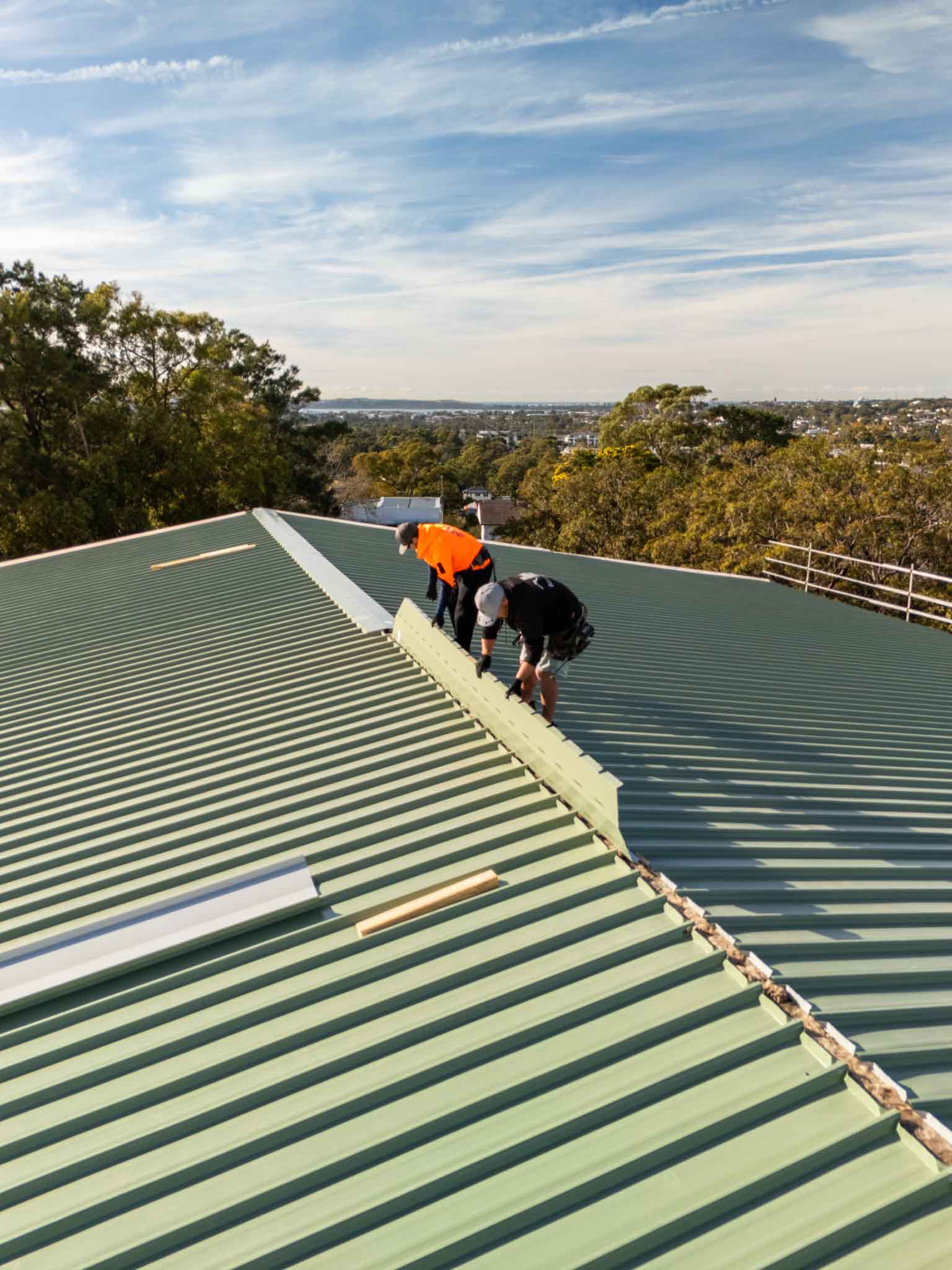
Complete price guide for different types of roof repairs in Sydney.
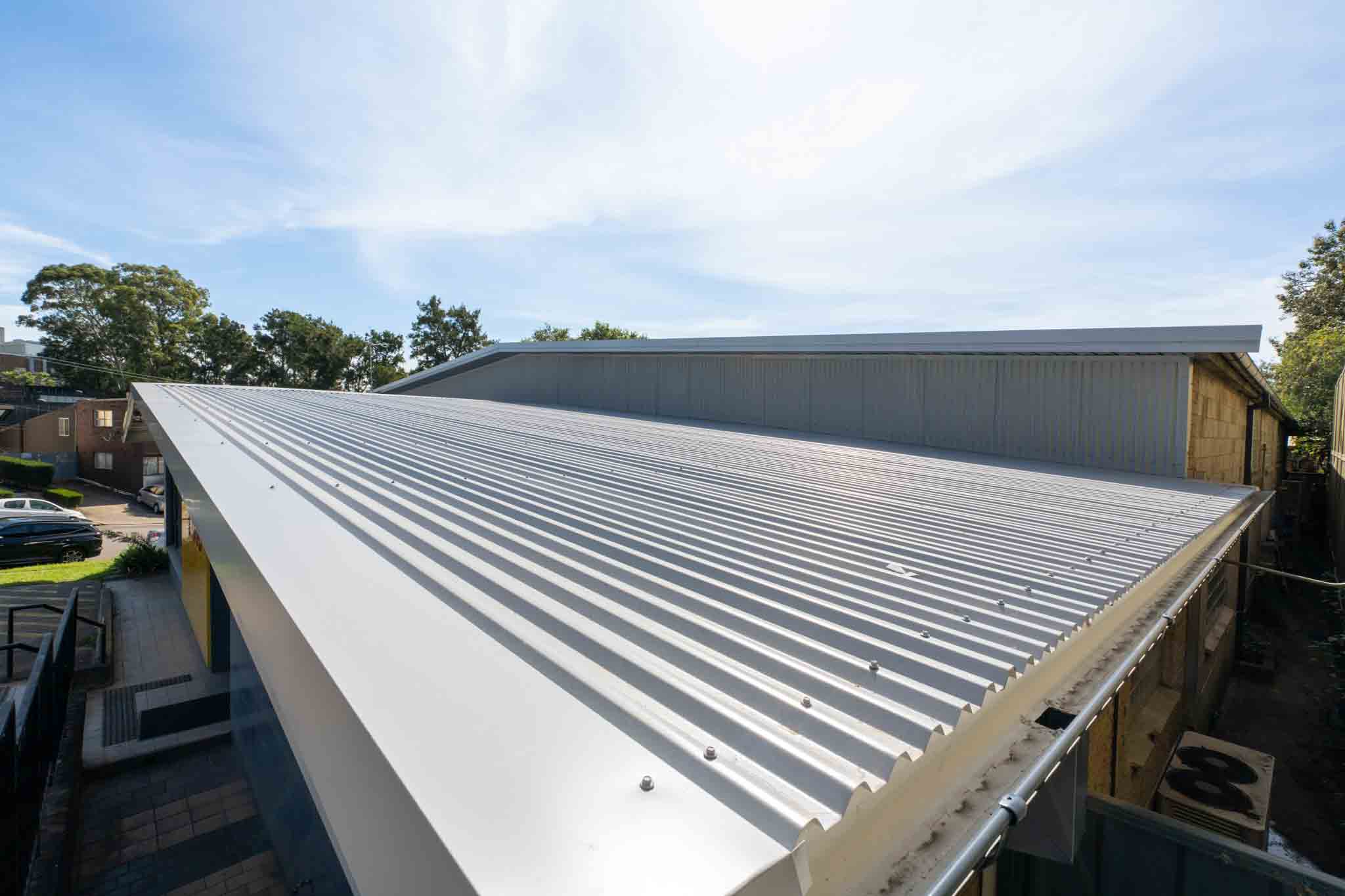
Compare Colorbond, terracotta, concrete and other materials to find the perfect one for your home.
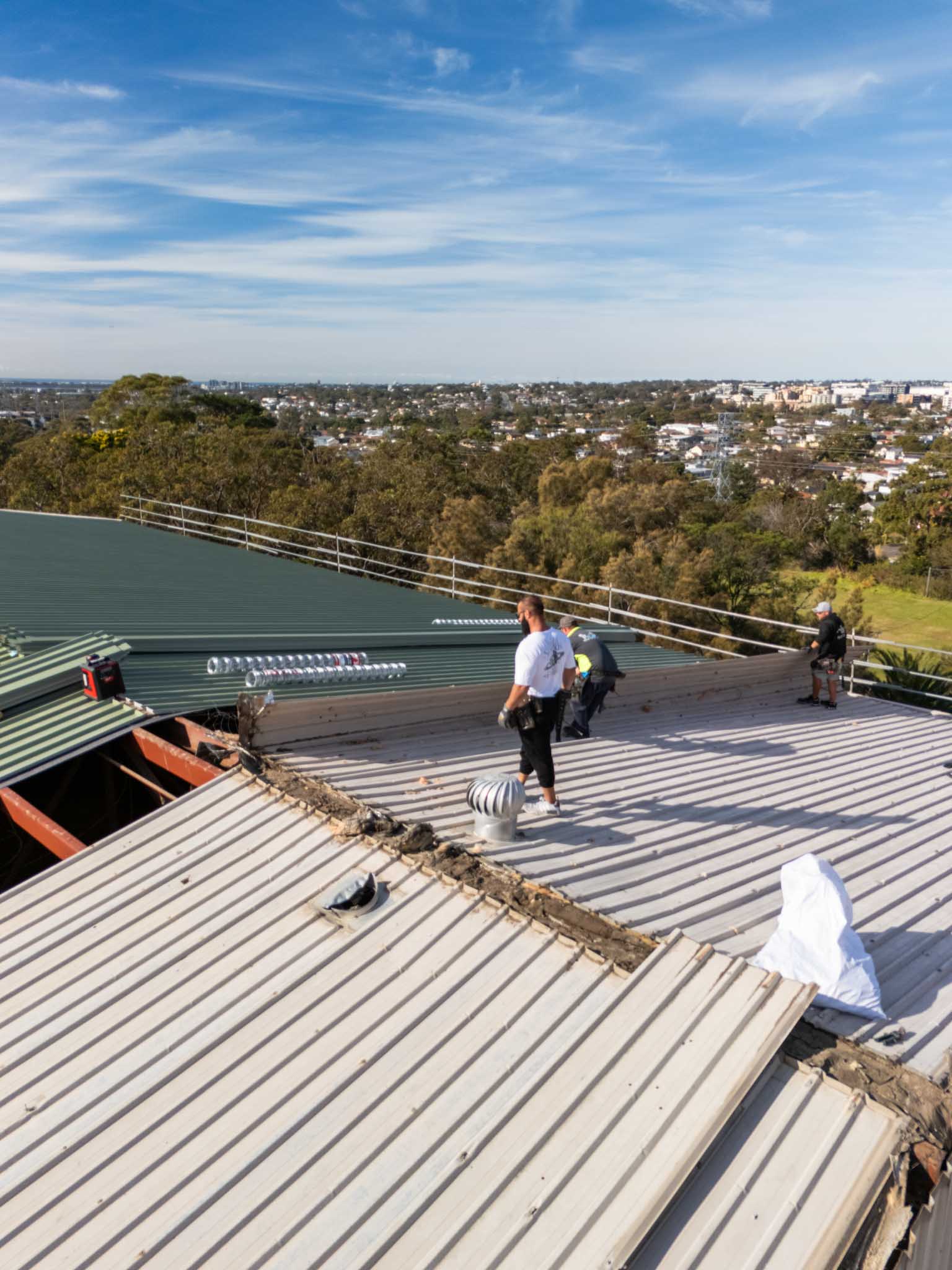
Essential tips to prepare your roof for Australian winter rains and storms.

From urgent make-safes to scheduled remedial works, we deliver clear scopes, photo documentation and workmanship warranties, keeping your operations safe and minimising downtime.