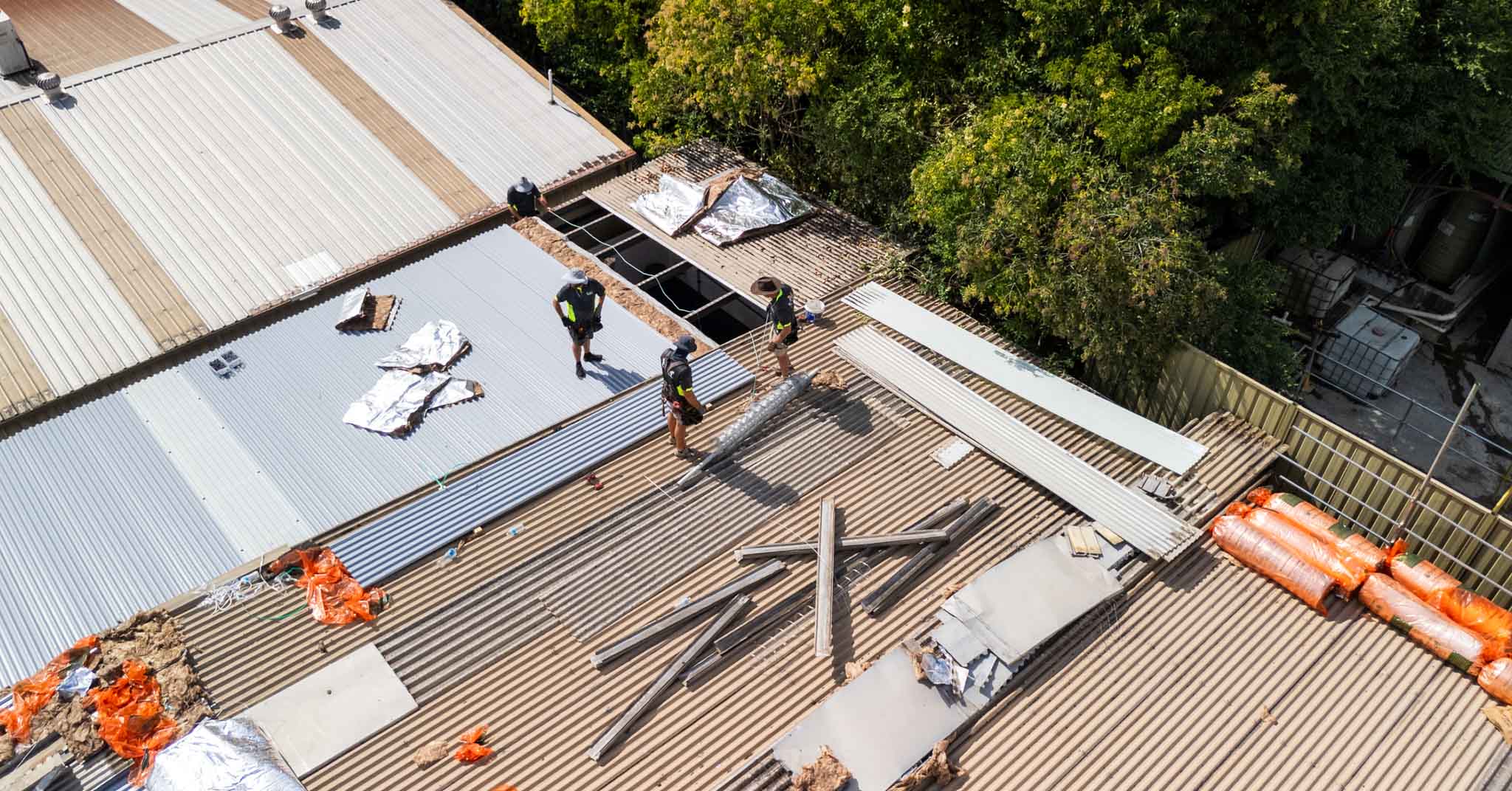
Inspection
Early Warning Signs of Roof Problems
Learn to identify the early signs of roof problems before they become costly repairs.


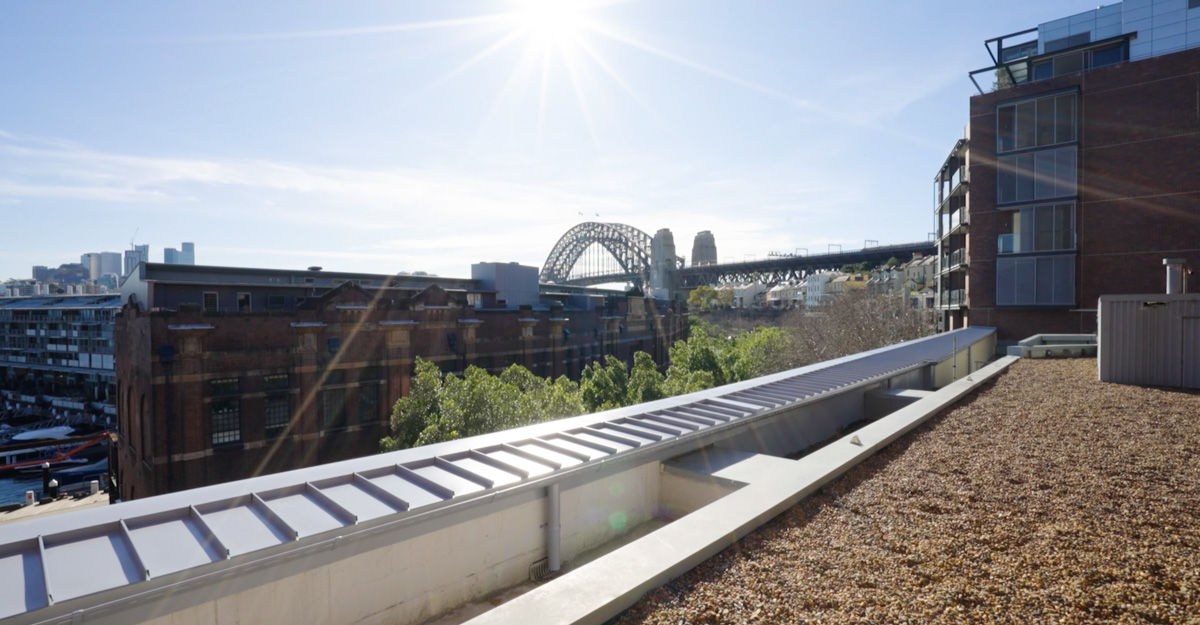
Comprehensive guide to roof slope (pitch). Learn about slope measurements, design considerations, material suitability, drainage, and choosing the right pitch.
Roof slope (pitch) affects drainage, material selection, structural design and aesthetics. Understanding slope categories and code minimums helps you choose a pitch that works for your climate and style.
Expressed as rise/run (e.g. 4:12), degrees or percentage. Conversion charts assist designers and installers.
Observe BCA minimums and manufacturer minimum pitches—Colorbond profiles, tiles and membranes each have specific requirements.
Examples: 4:12 ≈ 18.4°, 1:20 ≈ 2.86°, 10° ≈ 17.6%.
Steeper slopes shed water faster and reduce ponding. Low slopes demand oversized gutters, careful valley design and robust waterproofing. Structural implications include bracing and material quantities.
Steep roofs cost more to frame and cover but add attic space and architectural presence. Low slopes suit modern styles and can reduce material costs.
Modern addition, Eastern Suburbs: 3° standing seam roof with concealed box gutters and overflow scuppers achieved crisp lines without leaks.
Select slope to balance climate, material, cost and style—ensuring compliance with BCA and manufacturer minimums for long-term performance.
Our experts are ready to help you with maintenance, repair, or restoration of your roof.
Related articles on this topic
Learn to identify the early signs of roof problems before they become costly repairs.
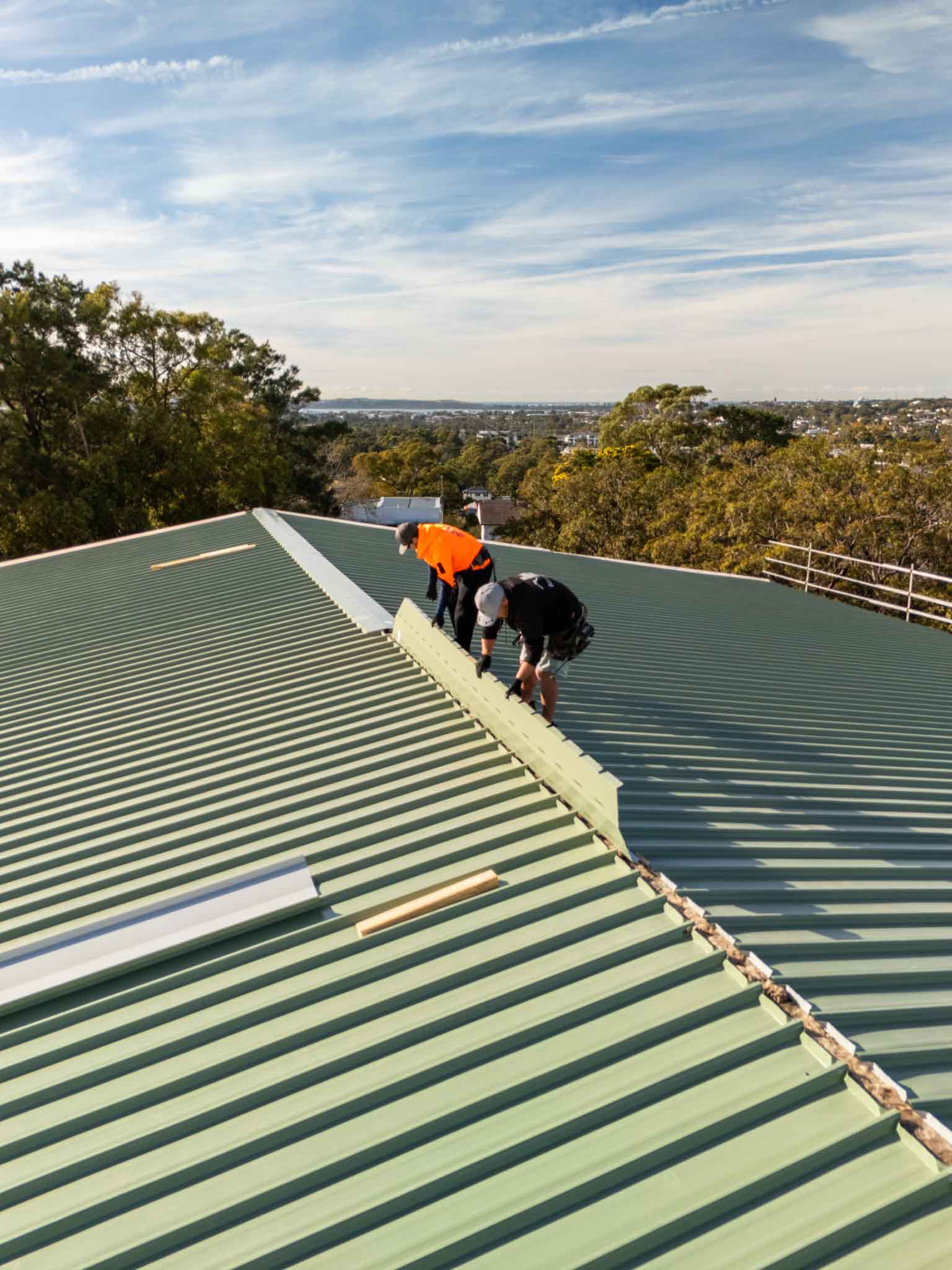
Complete price guide for different types of roof repairs in Sydney.
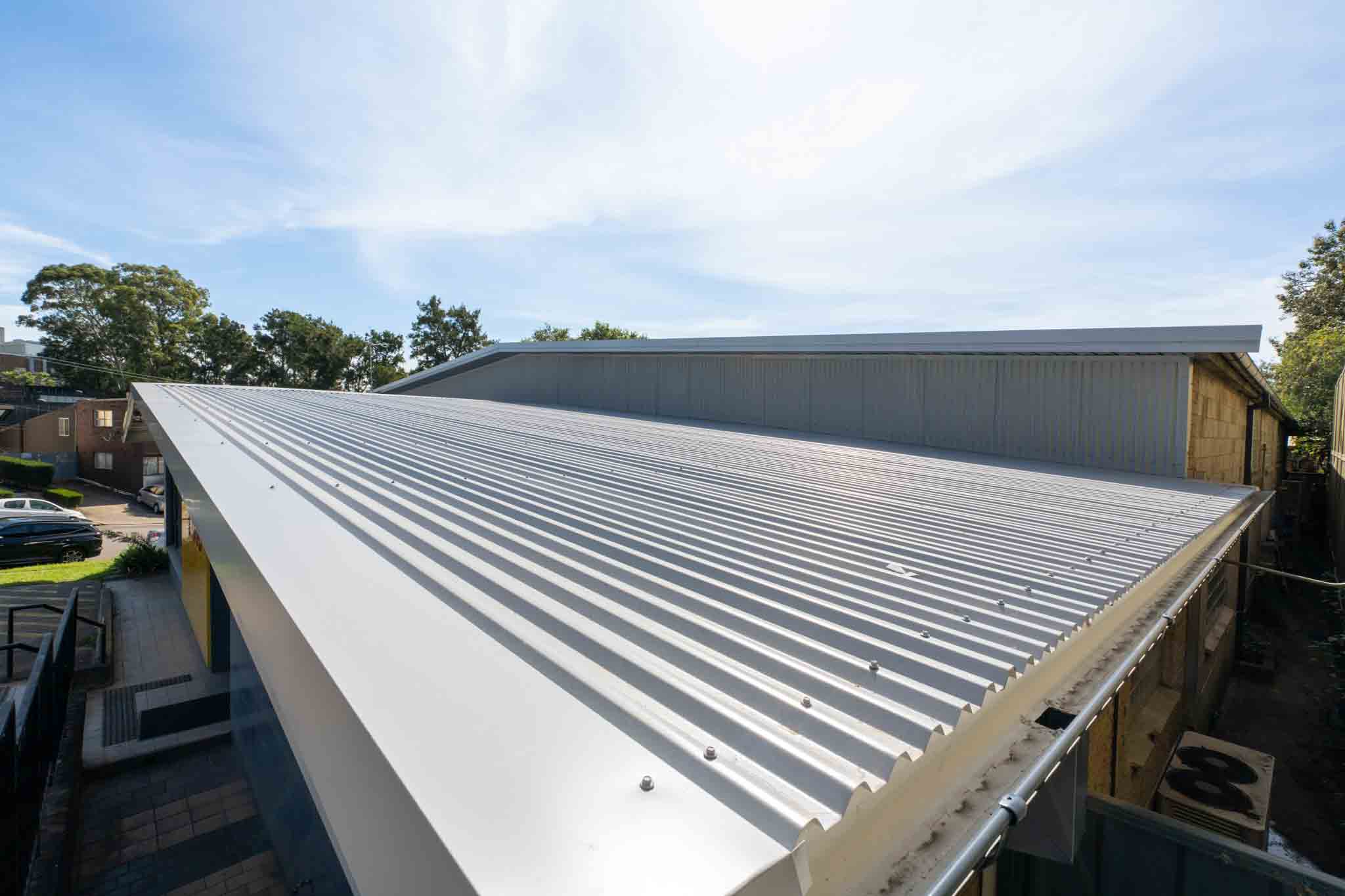
Compare Colorbond, terracotta, concrete and other materials to find the perfect one for your home.
Essential tips to prepare your roof for Australian winter rains and storms.

From urgent make-safes to scheduled remedial works, we deliver clear scopes, photo documentation and workmanship warranties, keeping your operations safe and minimising downtime.