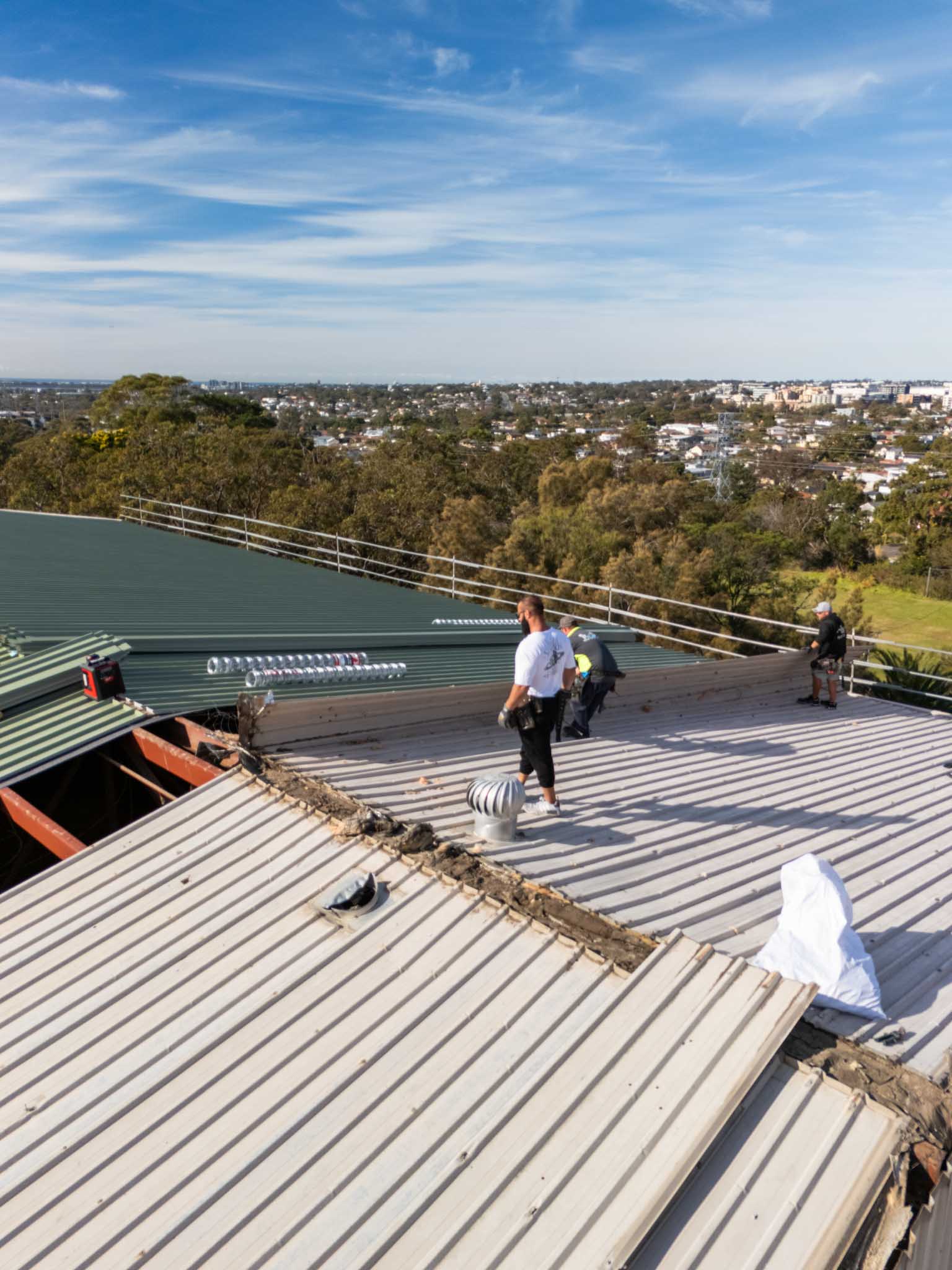
Algae and moss growth on roofs is a common problem throughout Australia, particularly in areas with high humidity, shade, and rainfall. While these organic growths may seem like mere cosmetic issues, they can actually cause significant damage to your roof over time, shortening its lifespan and creating potential leak points. This comprehensive guide will teach you everything you need to know about identifying, safely removing, and permanently preventing algae and moss on your roof.
Understanding Algae and Moss Growth on Roofs
Before tackling removal, it's important to understand what you're dealing with and why these organisms thrive on certain roofs.
What Causes Algae and Moss to Grow on Roofs?
Several environmental and structural factors contribute to algae and moss colonisation:
- Moisture retention: Areas with frequent rain, morning dew, or poor drainage create ideal growing conditions
- Shade: Trees, adjacent buildings, or roof design elements that block sunlight encourage growth
- Organic debris: Leaves, twigs, and dirt provide nutrients and trap moisture
- Porous roofing materials: Textured surfaces like tiles and asphalt shingles offer more surface area for spores to attach
- North-facing surfaces: In Australia, north-facing roof sections receive more moisture and less direct sunlight
- High humidity: Coastal and tropical regions with elevated humidity levels are particularly susceptible
- Poor ventilation: Inadequate airflow prevents surfaces from drying quickly after rain
The Difference Between Algae, Moss, and Lichen
While often grouped together, these are distinct organisms requiring different treatment approaches:
- Algae (Gloeocapsa Magma): Single-celled organisms appearing as black or dark green streaks; common on asphalt shingles and concrete tiles
- Moss: Multi-cellular plants with root-like structures that can lift and damage roofing materials; appears as green, cushiony patches
- Lichen: A symbiotic combination of algae and fungus; forms crusty, coloured patches that adhere very strongly to surfaces
⚠️ Damage Warning
Moss is particularly destructive because its root-like structures (rhizoids) can penetrate roofing materials, lift tiles, and trap moisture against the roof surface. A heavy moss infestation can reduce your roof's lifespan by 10-15 years if left untreated.
Signs Your Roof Has Algae or Moss Problems
Early detection is crucial for minimising damage. Look for these telltale signs:
📋 Detection Checklist
- Dark streaks or staining, particularly on north-facing slopes
- Green, fuzzy patches that appear cushiony or spongy
- Discolouration spreading from shaded areas toward sunlight
- Lifted or curled shingles or tiles
- Increased moisture retention after rain (roof stays wet longer)
- Granule loss from asphalt shingles appearing in gutters
- Visible growth along roof valleys and edges
- White, grey, or yellow crusty patches (lichen)
- Deterioration around roof penetrations and flashings
- Musty odours in attic spaces indicating moisture penetration
The Damage Caused by Algae and Moss
Understanding the risks helps prioritise removal and prevention:
Structural and Material Damage
- Moisture retention: Algae and moss act like sponges, keeping roofing materials constantly damp and accelerating deterioration
- Freeze-thaw damage: In colder climates, trapped moisture can freeze and expand, cracking tiles and shingles
- Root penetration: Moss rhizoids create microscopic pathways for water infiltration
- Tile lifting: Moss growth can physically lift tiles and create gaps in roof coverage
- Material degradation: Organic acids produced by algae and lichen slowly break down roofing materials
- Coating breakdown: On metal roofs, biological growth can compromise protective coatings
- Reduced reflectivity: Dark algae stains absorb more heat, increasing cooling costs by up to 15%
- Water drainage problems: Thick moss can block proper water flow, leading to pooling and leaks
- Increased weight: Water-saturated moss adds significant load to roof structures
- Gutter blockages: Moss and debris wash into gutters, causing overflow and water damage
Health and Aesthetic Concerns
- Indoor air quality: Spores can enter the home, potentially causing respiratory issues
- Property value: Visible algae and moss growth significantly reduces curb appeal and home value
- Pest attraction: Damp, organic growth attracts insects and provides nesting material for birds
Safe Algae and Moss Removal Methods
Choose the appropriate removal method based on the type and extent of growth, as well as your roofing material:
Method 1: Chemical Treatment (Most Effective)
Chemical treatments kill organisms at the root and provide residual protection:
- Sodium hypochlorite (bleach) solution: Mix 1 part bleach with 1-2 parts water; highly effective but requires careful application to avoid plant damage below
- Oxygen bleach: Gentler alternative that's safer for plants and the environment; requires longer contact time
- Copper or zinc sulphate: Professional-grade biocides offering long-lasting protection; expensive but very effective
- Commercial roof cleaners: Purpose-designed products like Wet & Forget or Spray & Forget; convenient but more costly
- Zinc strip installation: Prevents future growth as rainwater washes zinc ions down the roof
💡 Professional Tip
When using bleach-based solutions, always wet surrounding vegetation first and rinse thoroughly afterwards. Apply treatment on overcast days or in the evening to prevent rapid evaporation and maximise contact time. Never mix bleach with other chemicals, especially ammonia or acids.
Method 2: Manual Removal
Physical removal may be necessary for heavy moss infestations:
- Soft-bristle brushing: Use a roof brush or broom to gently sweep away dead growth after chemical treatment
- Plastic scraper: Carefully remove thick moss patches; avoid metal scrapers that can damage roofing
- Low-pressure washing: Use under 1200 PSI with wide-angle nozzle; excessive pressure damages tiles and shingles
- Garden hose with spray attachment: Safest option for delicate roofing materials
- Telescopic tools: Allow ground-level cleaning for single-storey homes
Method 3: Professional Soft Washing
The safest and most effective approach for valuable or delicate roofs:
- Low-pressure application: Professional equipment applies cleaning solutions at very low pressure (under 500 PSI)
- Specialised biocides: Commercial-grade products not available to homeowners
- Complete coverage: Professional applicators ensure thorough treatment of all affected areas
- Protective measures: Proper plant and property protection protocols
- Post-treatment rinse: Controlled rinsing that won't damage roofing materials
Step-by-Step DIY Cleaning Process
For homeowners comfortable working on roofs, follow this safe and effective process:
Preparation (Safety First)
- Step 1: Choose a dry, calm day with temperatures between 10-25°C
- Step 2: Use proper fall protection equipment (harness, rope, anchor points)
- Step 3: Wear non-slip footwear, gloves, and eye protection
- Step 4: Cover or wet all vegetation and landscaping below the work area
- Step 5: Inform household members and neighbours about cleaning activities
- Step 6: Cover outdoor furniture and close windows
Treatment Application
- Step 7: Mix your chosen cleaning solution according to manufacturer directions
- Step 8: Fill a garden sprayer with the solution
- Step 9: Start at the roof peak and work downward to prevent streaking
- Step 10: Apply solution generously, ensuring complete coverage of affected areas
- Step 11: Allow solution to dwell for recommended time (typically 15-30 minutes)
- Step 12: For stubborn areas, apply a second coat
Removal and Rinse
- Step 13: Gently brush loosened growth with a soft-bristle broom
- Step 14: Rinse thoroughly with garden hose or low-pressure washer
- Step 15: Work from top to bottom to prevent re-contamination
- Step 16: Ensure all debris is washed into gutters and removed
- Step 17: Flush gutters and downpipes to clear accumulated material
- Step 18: Rinse surrounding vegetation again with fresh water
📋 Safety Checklist
- Never work on wet or steep roofs without professional equipment
- Always have a spotter on the ground
- Use extension poles to avoid walking on the roof when possible
- Don't work in windy conditions or when rain is forecast
- Check roof stability before applying weight to questionable areas
- Keep emergency contact numbers readily available
Roofing Material-Specific Cleaning Guidance
Different roofing materials require tailored approaches:
Terracotta and Concrete Tiles
- Can tolerate most chemical treatments and moderate pressure washing
- Avoid walking directly on tiles; use roof ladder or crawl boards
- Check for cracked or damaged tiles before cleaning
- Be cautious around ridge capping and pointing
- Consider professional re-pointing after heavy cleaning
Asphalt Shingles
- Use only low-pressure cleaning (under 1200 PSI)
- Avoid harsh scrubbing that removes protective granules
- Bleach-based solutions are generally safe when properly diluted
- Never use pressure washers on older or damaged shingles
- Inspect for lifted tabs after cleaning
- Use pH-neutral cleaners to protect coatings
- Avoid abrasive brushes that scratch protective layers
- Rinse thoroughly to prevent chemical staining
- Low-pressure washing is safe for most metal roofs
- Check for coating damage and touch up as needed
Slate Roofs
- Extremely delicate; professional cleaning strongly recommended
- Use only soft brushing or chemical treatments
- Never pressure wash slate
- Individual slate tiles may need replacement after cleaning
- Preserve natural patina when possible
Long-Term Prevention Strategies
Preventing algae and moss growth is more cost-effective than repeated cleaning:
Physical Preventive Measures
- Zinc or copper strips: Install metal strips near the ridge; rain washes toxic (to algae/moss) metal ions down the roof
- Tree trimming: Maintain minimum 3-metre clearance between branches and roof
- Improve sunlight exposure: Prune vegetation to increase direct sunlight on roof surfaces
- Enhanced drainage: Ensure gutters and valleys drain properly without water pooling
- Debris removal: Clean roof and gutters quarterly to eliminate organic matter
- Ventilation improvement: Upgrade roof ventilation to reduce moisture buildup
Chemical Preventive Treatments
- Annual preventive washing: Light cleaning with diluted biocide prevents colony establishment
- Algae-resistant shingles: When re-roofing, choose products with copper granules embedded in the material
- Roof coatings: Apply algae-resistant sealants or coatings after cleaning
- Zinc sulphate treatments: Periodic professional application provides multi-year protection
💰 Cost Comparison
Professional algae/moss removal costs $400-1,200 for an average residential roof. DIY cleaning costs $50-200 in materials. Prevention measures (zinc strips, annual treatments) cost $300-600 but can eliminate the need for major cleaning for 5-10 years.
When to Call Professional Roof Cleaners
Some situations require professional expertise and equipment:
Conditions Requiring Professional Service
- Roofs steeper than 6:12 pitch (26.5 degrees)
- Multi-storey buildings or complex roof designs
- Heavy moss infestations requiring extensive removal
- Delicate roofing materials like slate or heritage tiles
- Roofs with existing damage or structural concerns
- When safety equipment isn't available
- Properties with valuable landscaping requiring protection
- Roofs that haven't been cleaned in over 5 years
What Professional Services Include
- Comprehensive roof inspection before and after cleaning
- Professional-grade biocides and cleaning agents
- Soft washing or appropriate pressure washing techniques
- Complete property protection protocols
- Gutter cleaning and downpipe flushing
- Minor repair identification and recommendations
- Preventive treatment options
- Warranty on cleaning effectiveness
Environmental Considerations
Roof cleaning can impact your property and local environment:
Eco-Friendly Cleaning Options
- Oxygen bleach (sodium percarbonate): Breaks down into harmless oxygen, water, and soda ash
- Vinegar solutions: Effective for light algae; completely biodegradable
- Hydrogen peroxide: Decomposes into water and oxygen; safe for plants when diluted
- Enzyme-based cleaners: Biological cleaning agents that don't harm ecosystems
- Steam cleaning: Uses only heat and water; ideal for sensitive environments
Protecting Your Garden and Waterways
- Cover or continuously water plants during and after treatment
- Divert downpipes away from garden beds during cleaning
- Collect and properly dispose of concentrated runoff
- Allow treated runoff to soak into lawn (dilution) rather than entering storm drains
- Wait for rain to naturally rinse mild treatments
- Use containment systems for severe chemical treatments
Maintenance Schedule for Algae and Moss Prevention
Implement this schedule to keep your roof free from organic growth:
📋 Prevention Calendar
- Monthly: Visual inspection from ground level for new growth
- Quarterly: Clean gutters and remove debris from roof valleys
- Bi-annually: Light preventive wash with diluted biocide solution
- Annually: Trim overhanging branches and inspect zinc/copper strips
- Every 2-3 years: Professional inspection and deep cleaning if needed
- Every 5-7 years: Replace zinc strips or reapply protective treatments
- After severe weather: Check for new debris and growth conditions
Common Mistakes to Avoid
Learn from these frequent errors to protect your roof:
- Using excessive pressure: High-pressure washing damages roofing materials and forces water under tiles
- Wrong chemical concentrations: Too weak is ineffective; too strong damages materials and plants
- Scrubbing too hard: Abrasive cleaning removes protective coatings and granules
- Ignoring safety protocols: Falls from roofs cause serious injuries; always use proper equipment
- Cleaning from bottom up: Creates streaks and re-contaminates cleaned areas
- Not protecting vegetation: Chemical runoff can kill valuable plants and lawns
- Cleaning in hot sun: Rapid evaporation reduces effectiveness and can damage materials
- Mixing incompatible chemicals: Can create toxic fumes or ineffective solutions
- Neglecting gutter cleaning: Blocked gutters defeat the purpose of roof cleaning
- Postponing treatment: Early intervention is easier and less damaging than treating heavy infestations
Conclusion: Maintaining a Clean, Healthy Roof
Algae and moss growth is a manageable problem that responds well to proper treatment and prevention strategies. While these organisms may seem harmless at first, their long-term effects on your roof's integrity, your home's energy efficiency, and your property's value make them worthy of serious attention.
The key to success is early detection and consistent prevention. Regular inspections, prompt treatment of small outbreaks, and implementation of preventive measures will keep your roof clean and extend its lifespan significantly. Whether you choose DIY cleaning or professional services, the investment in algae and moss management pays dividends through reduced repair costs, improved curb appeal, and a longer-lasting roof.
Remember that different roof types and Australian climatic conditions require tailored approaches. What works for a metal roof in inland Sydney may be inappropriate for terracotta tiles on the Central Coast. When in doubt, consult with roofing professionals who understand the unique challenges of your specific situation.
For homeowners who value their safety and their roof's longevity, professional cleaning offers the best combination of effectiveness and risk management. The modest cost of professional service is insignificant compared to the potential expense of roof damage from improper DIY cleaning or the accelerated deterioration caused by neglected growth.
Take action today to address visible growth and implement prevention strategies. Your roof is one of your home's most important protective elements—keeping it free from damaging algae and moss ensures it will continue protecting your family and your investment for decades to come.
Need professional algae and moss removal services? Your Local Roofers offers safe, effective cleaning and prevention solutions for all roof types throughout Sydney and surrounding areas. Contact us today for a free assessment and quote.
Need Help with Your Roof?
Our experts are ready to help you with maintenance, repair, or restoration of your roof.