Inspection
Early Warning Signs of Roof Problems
Learn to identify the early signs of roof problems before they become costly repairs.


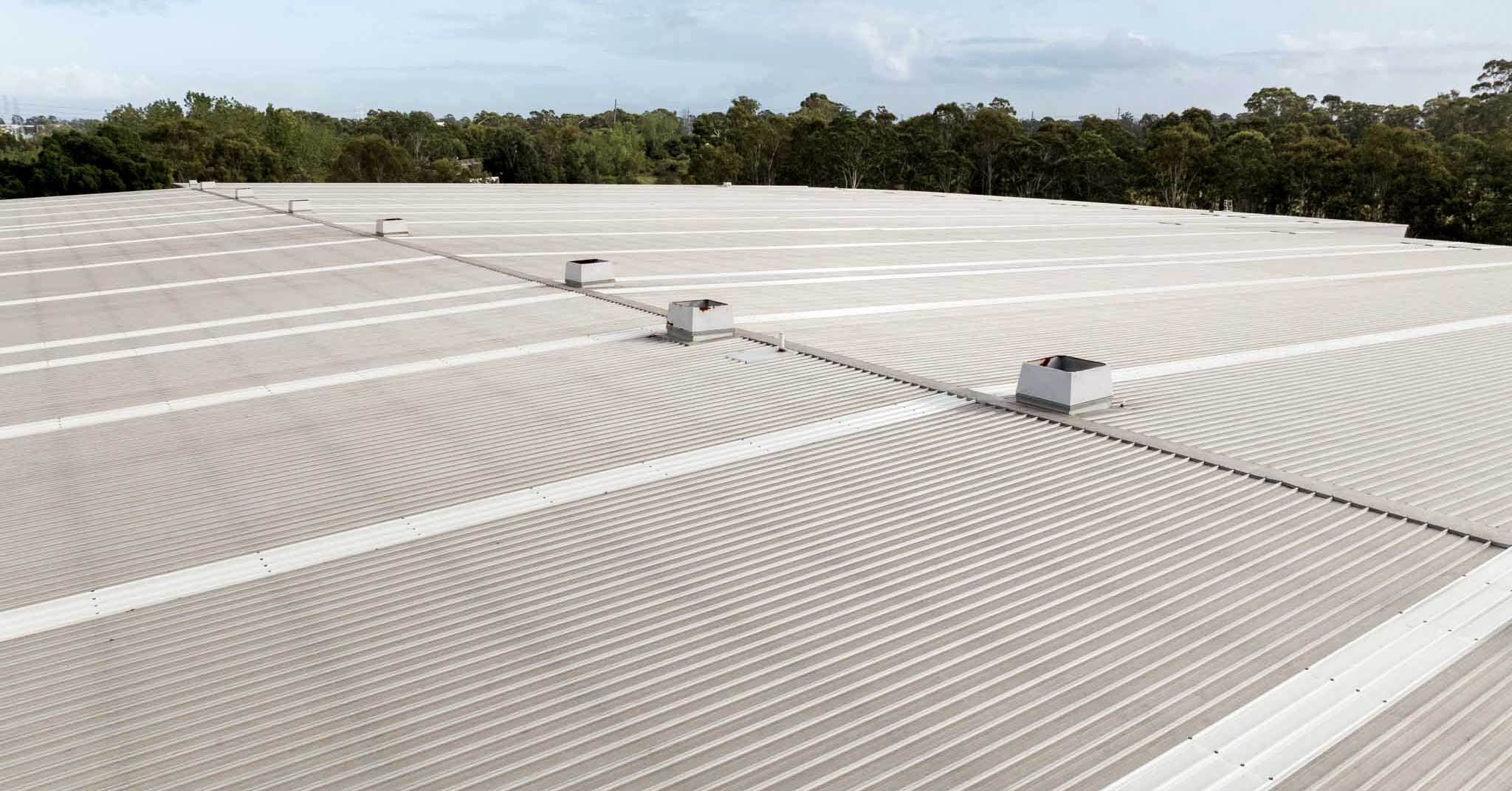
Comprehensive guide to calculating roof ventilation requirements. Learn about vent types, calculation methods, building codes, and optimal ventilation for Australian homes.
Correct roof ventilation reduces heat build-up, manages moisture, and protects your roof structure. This guide explains vent types, Australian code guidance, and practical formulas to size ventilation for Sydney homes.
Balanced systems combine intake (at eaves/soffits) with exhaust (at ridge or roof level). Hot, moist air exits high points while cooler, drier air is drawn from the eaves.
A common rule of thumb: provide net free vent area equal to 1/150 of the ceiling area, split roughly 50/50 between intake and exhaust.
Ceiling area 180 m² ⇒ 180,000,000 mm² / 150 = 1,200,000 mm² total net free area. Split ~600,000 mm² intake and ~600,000 mm² exhaust.
Typical 300 mm whirlybird provides ~8,000–12,000 mm² net free area. Many Sydney homes use 2–4 units plus soffit vents for intake.
Australian standards require adequate ventilation; hotter zones benefit from increased exhaust. In Sydney’s temperate climate, balanced systems improve comfort and energy efficiency.
| Item | Supply | Installed |
|---|---|---|
| Whirlybird (Colorbond) | $120–$220 | $280–$480 |
| Ridge vent (per metre) | $28–$55 | $75–$130 |
Single-storey, 160 m² gable roof: 2–3 whirlybirds + continuous eave intake; attic temps reduced by 5–8°C in summer.
Two-storey hip roof, 220 m²: Ridge vent + tile vents per facet; balanced intake via soffits.
Calculate net free area, balance intake/exhaust, and place vents strategically. Professional assessment ensures code-compliant, effective systems.
Our experts are ready to help you with maintenance, repair, or restoration of your roof.
Related articles on this topic
Learn to identify the early signs of roof problems before they become costly repairs.
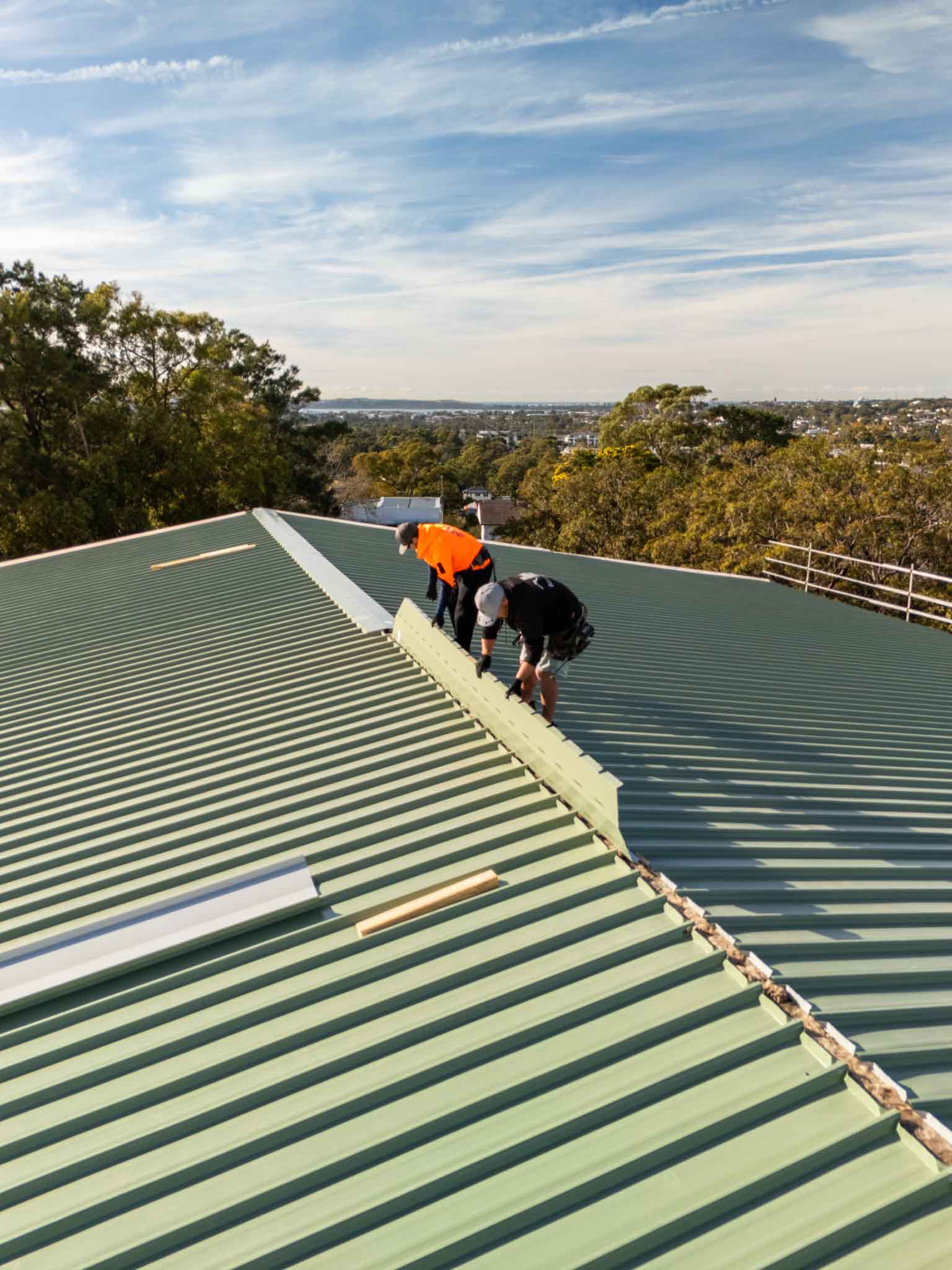
Complete price guide for different types of roof repairs in Sydney.
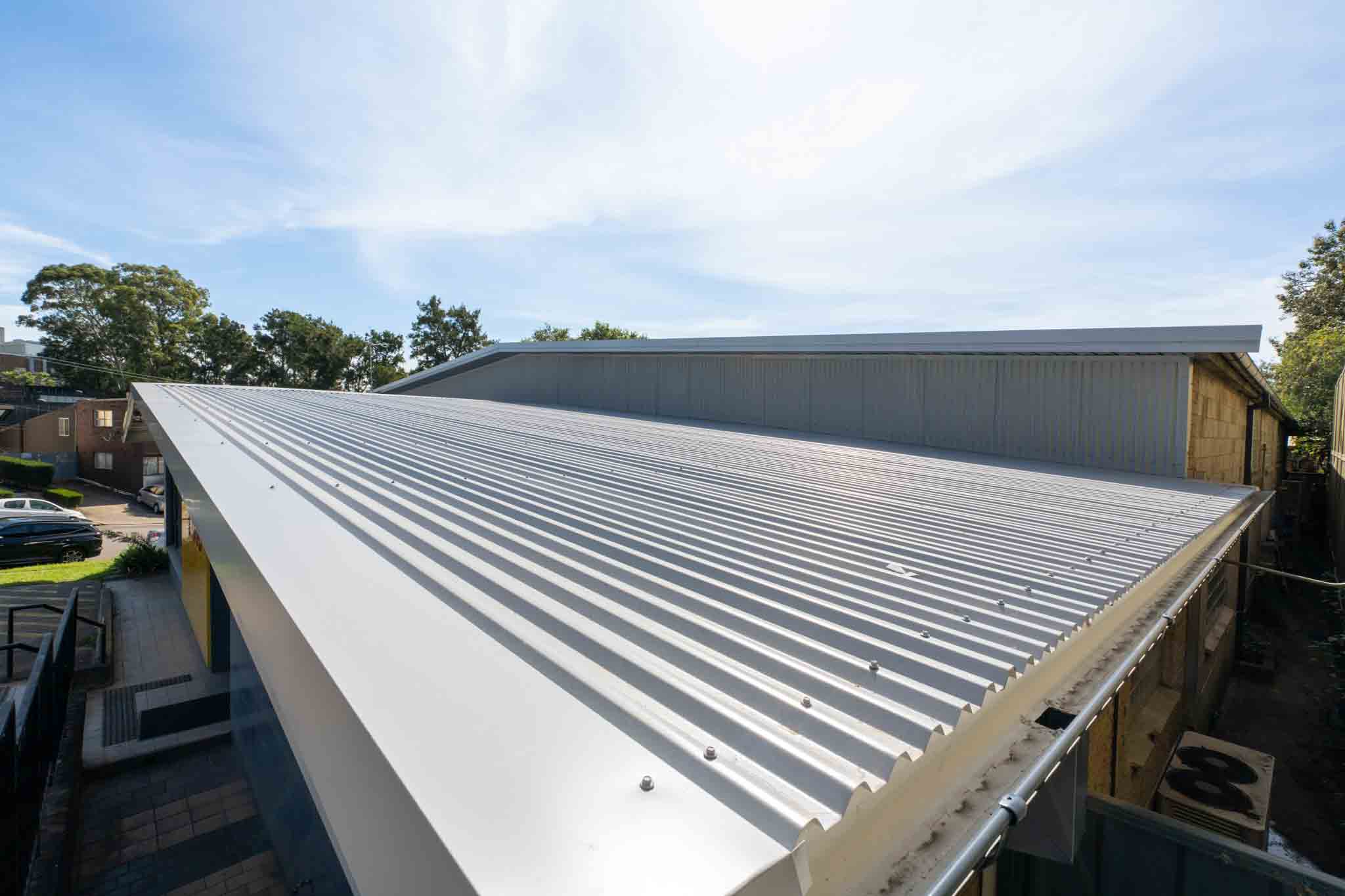
Compare Colorbond, terracotta, concrete and other materials to find the perfect one for your home.
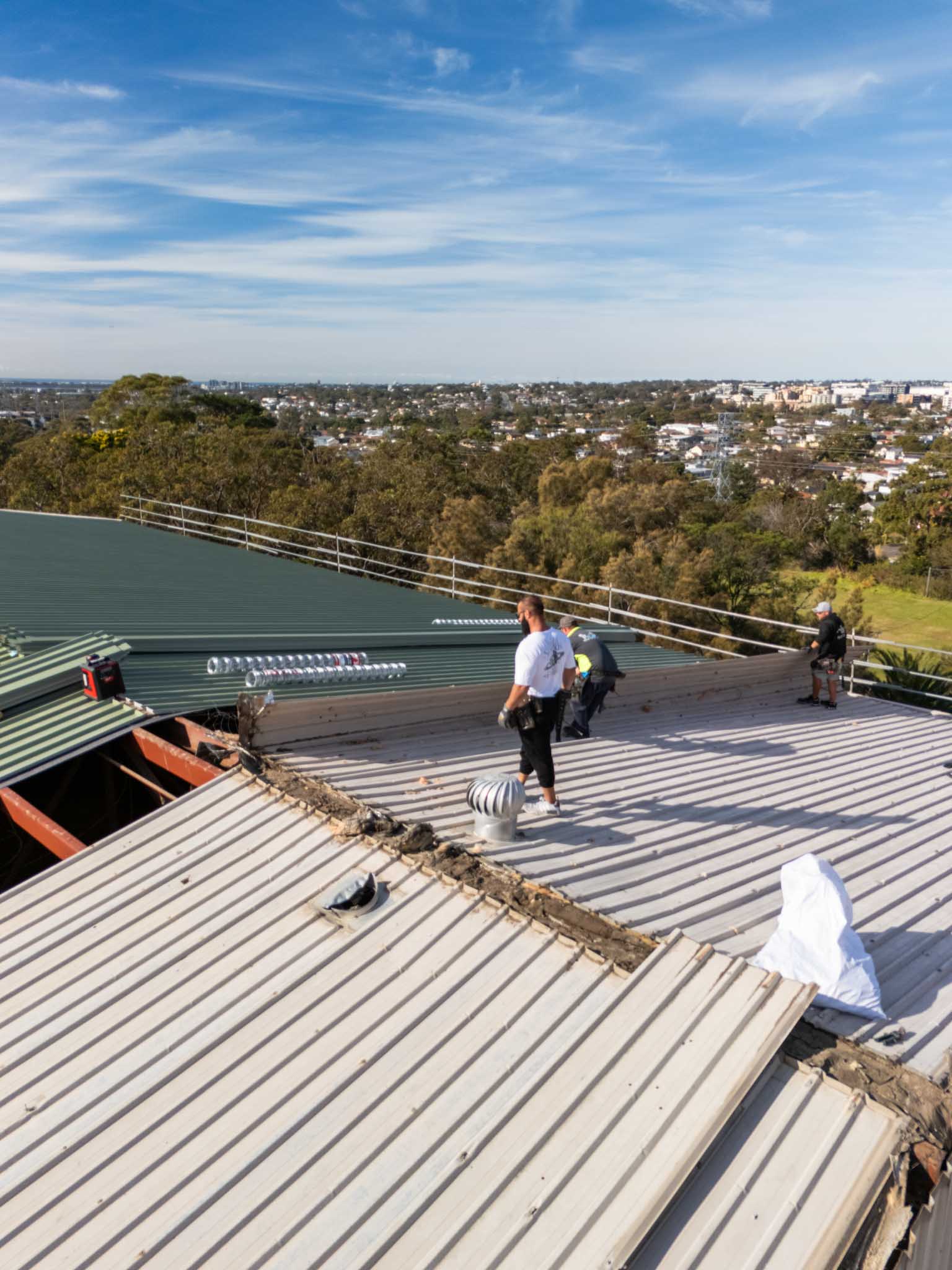
Essential tips to prepare your roof for Australian winter rains and storms.

From urgent make-safes to scheduled remedial works, we deliver clear scopes, photo documentation and workmanship warranties, keeping your operations safe and minimising downtime.