Inspection
Early Warning Signs of Roof Problems
Learn to identify the early signs of roof problems before they become costly repairs.


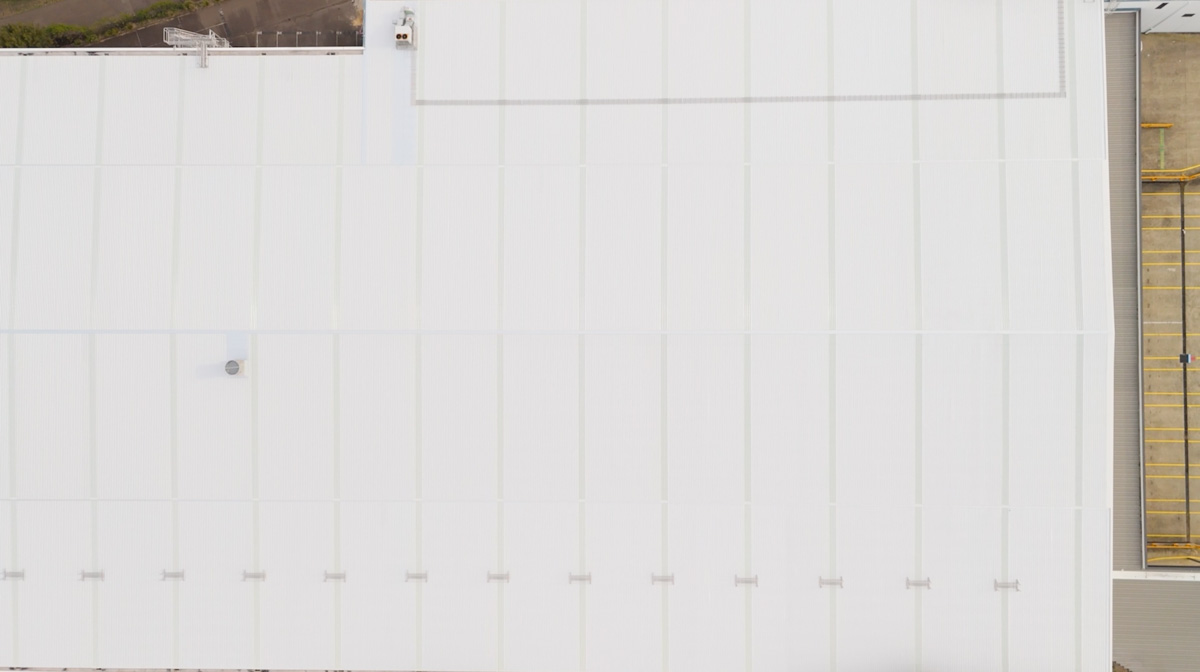
Comprehensive guide to flat roof systems. Learn about membrane types, installation methods, drainage, costs, and maintaining flat roofs in Australia.
Flat roofs are never truly flat. Even the best systems require positive fall, robust drainage and well-executed detailing to perform in Australia's varied climates. This guide explains the systems (TPO, EPDM, PVC, modified bitumen, BUR, SPF), installation methods, insulation strategies, drainage, costs, and maintenance practices to achieve long-term performance.
Minimum falls per NCC and manufacturer specs typically range from 1:80 to 1:100 to avoid ponding. Parapets and internal drains must include overflow provisions compliant with AS/NZS 3500.3.
Heat-welded seams, bright reflectivity, chemical resistance. Popular for commercial roofs with tapered insulation.
Large sheets with minimal seams; excellent flexibility and UV stability; glued seams and flashings.
Heat-welded, strong chemical resistance—great near restaurants/industrial exhausts. Premium pricing with long proven life.
Torch-on or self-adhesive. Multilayer robustness, ideal for roofs with complex penetrations.
Multiple bitumen plies with surfacing; less common in AU but extremely durable when properly detailed.
Monolithic insulation/waterproofing with protective coating; superb for retrofits but requires skilled applicators.
Use tapered insulation to create falls to internal drains or scuppers. Include overflow scuppers sized per rainfall intensity and roof catchment. Vapour barriers manage condensation risk—critical over cooled interiors.
1) Tapered insulation directing flow; 2) Primary internal drain with dome; 3) Overflow scupper at parapet; 4) Membrane turn-up and cap flashing.
Annual inspections, drain cleaning and prompt repairs prevent small issues (punctures, loose flashings) from becoming leaks.
Retail centre, Newcastle: TPO overlay with tapered insulation eliminated ponding and cut cooling energy by ~8%.
Logistics warehouse, Western Sydney: Modified bitumen with liquid flashings around heavy services achieved a comprehensive system warranty.
Success with flat roofs hinges on drainage design, correct system selection for use and climate, and rigorous QA. Plan for access management and regular maintenance to preserve warranties and performance.
Our experts are ready to help you with maintenance, repair, or restoration of your roof.
Related articles on this topic
Learn to identify the early signs of roof problems before they become costly repairs.
Complete price guide for different types of roof repairs in Sydney.
Compare Colorbond, terracotta, concrete and other materials to find the perfect one for your home.
Essential tips to prepare your roof for Australian winter rains and storms.

From urgent make-safes to scheduled remedial works, we deliver clear scopes, photo documentation and workmanship warranties, keeping your operations safe and minimising downtime.