Inspection
Early Warning Signs of Roof Problems
Learn to identify the early signs of roof problems before they become costly repairs.


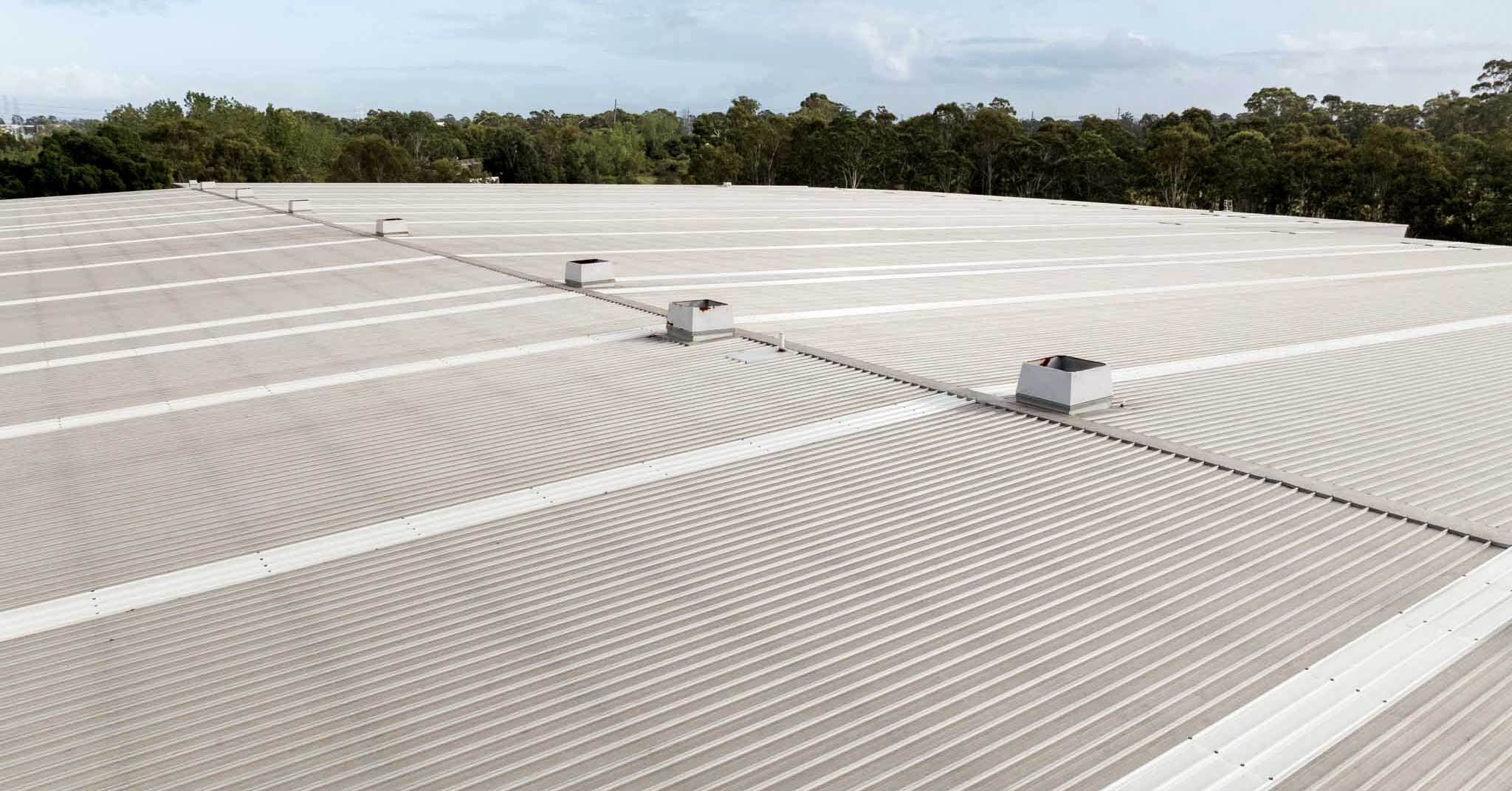
Comprehensive guide to the differences between commercial and residential roofing systems. Learn about materials, installation, maintenance, codes, and costs.
Commercial and residential roofs share the same goal—keeping water out—but almost everything else differs: structure, materials, installation methods, safety obligations, warranties and maintenance regimes. This guide explains the key differences in Australia with Sydney‑specific examples and checklists.
Residential roofs are predominantly pitched with trusses/rafters; commercial roofs are often low‑slope or flat on steel or concrete decks with parapets and integrated plant platforms.
Commercial systems rely on internal box gutters, sumps and overflow provisions to AS/NZS 3500.3; residential uses eaves gutters, valleys and downpipes sized to AS 3500 with simpler overflows.
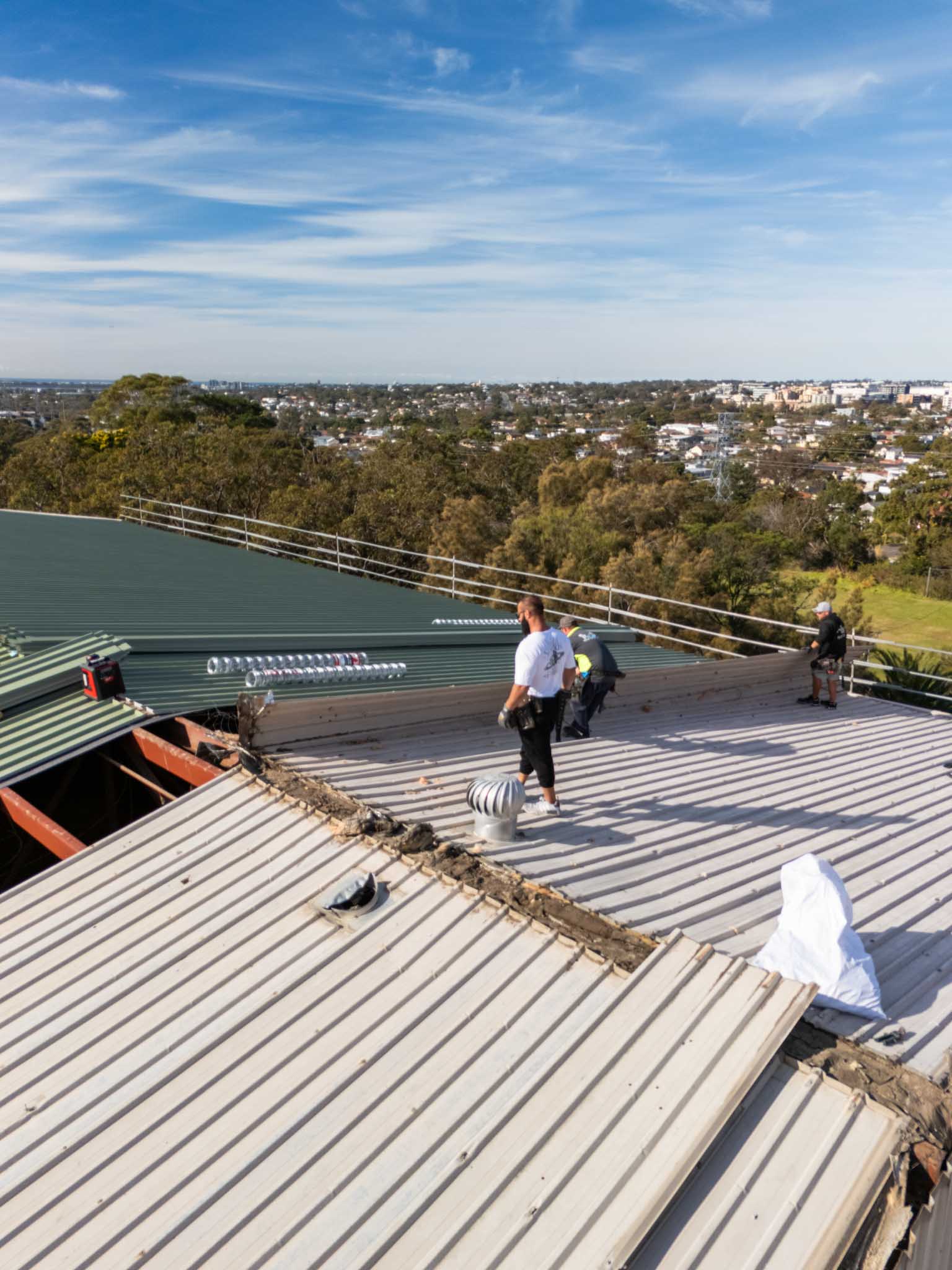
Commercial works require cranes, scissor lifts, heat welders and safety spotters; residential uses ladder access, tile elevators and roll‑forming on site for long steel sheets.
Commercial programs coordinate with base‑building works, mechanical penetrations and tenancy handovers; residential timelines are shorter but weather windows matter.
Commercial roofing invokes NCC Section J energy requirements, AS 4254 for ductwork interactions, and strict fire/egress interface details; residential compliance focuses on AS 2050 (tiles), AS 1562 (sheet metal) and BAL bushfire ratings where relevant.
Higher‑risk commercial sites require SWMS, lift plans, edge protection, and traffic management. Residential jobs need fall protection and electrical isolation at a smaller scale.
Commercial membranes rely on continuous welded seams and tapered insulation for falls; residential uses overlapping tiles or interlocking metal sheets with flashings at penetrations.
Commercial roofs often use rigid boards above deck to meet NCC Section J; residential typically uses bulk ceiling insulation and reflective sarking.
Commercial roofs must accommodate routine plant access (HVAC, solar, antennas) and defined walkways; residential access is occasional and localised.
Well‑designed commercial membranes deliver 20–30 years; quality residential roofs often exceed 30 years with maintenance.
| Component | Commercial | Residential |
|---|---|---|
| Design & compliance | High | Medium |
| Materials | High (membranes/insulation) | Medium (tiles/metal) |
| Labour | High (plant, permits) | Medium |
Commercial systems may include manufacturer system warranties contingent on approved installers and inspections; residential warranties are split between product and workmanship.
Commercial: routine inspections quarterly to protect warranties; residential: bi‑annual checks and after storms.
Commercial: weld patching, mechanical curb re‑flashing; residential: tile replacement, ridge re‑pointing, metal sheet/flashings repairs.
Commercial buildings need make‑safe protocols and access keys; residential focuses on tarps and localised leak control.
Commercial roofs host significant plant—the interface detailing dominates leak risk; residential penetrations are limited to flues, skylights and solar.
Commercial roofs are designed for regular foot traffic and equipment loads; residential roofs need defined access paths to avoid damage.
Commercial projects require licensed roof plumbers/waterproofers with membrane accreditations; residential requires licensed roofers familiar with local standards.
Commercial programs run weeks to months; residential re‑roofs often complete in days to a fortnight depending on weather and size.
Small commercial tenancies with pitched awnings may use residential details—still verify fire and drainage compliance.
Need expert guidance? We deliver both residential and commercial roofing across Sydney. Talk to our team for the right system and specification.
Our experts are ready to help you with maintenance, repair, or restoration of your roof.
Related articles on this topic
Learn to identify the early signs of roof problems before they become costly repairs.
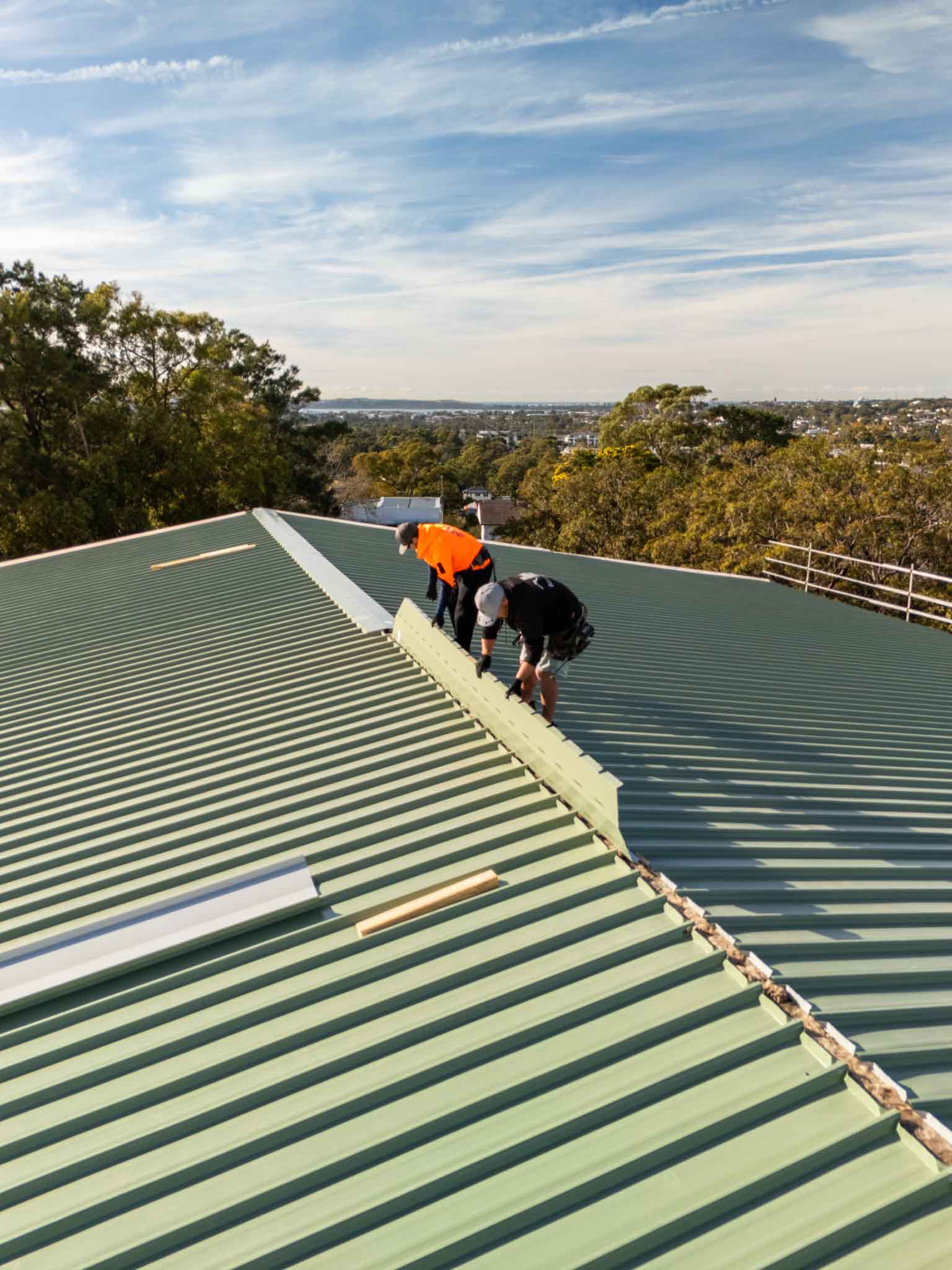
Complete price guide for different types of roof repairs in Sydney.
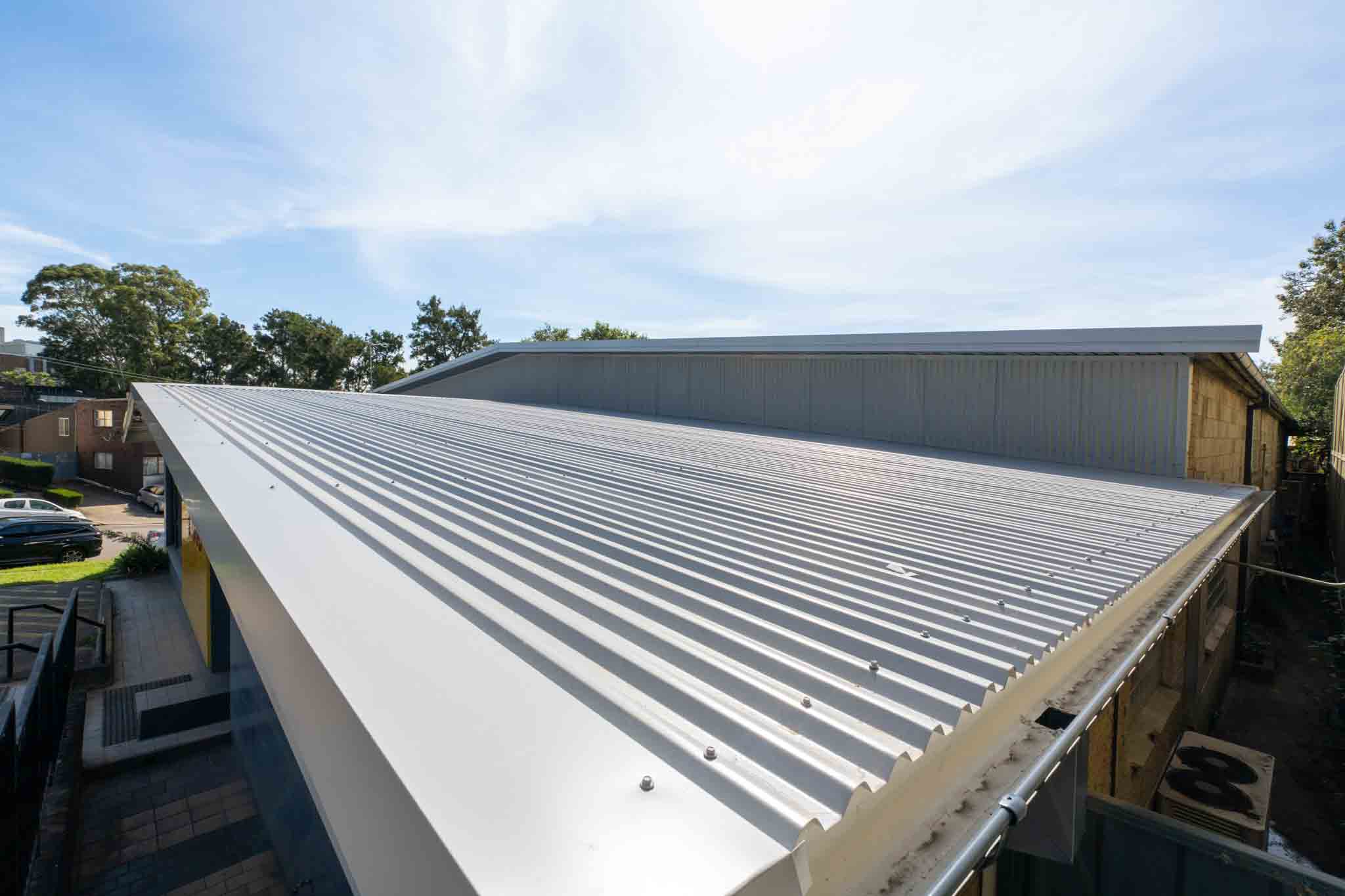
Compare Colorbond, terracotta, concrete and other materials to find the perfect one for your home.
Essential tips to prepare your roof for Australian winter rains and storms.

From urgent make-safes to scheduled remedial works, we deliver clear scopes, photo documentation and workmanship warranties, keeping your operations safe and minimising downtime.