Colorbond vs Concrete Tiles: Complete Comparison Guide
    Comparisons

    Colorbond vs Concrete Tiles: Complete Comparison Guide

    Your Local Roofers Sydney
    October 10, 2024
    18 min read

    Comprehensive comparison of Colorbond steel roofing and concrete tiles. Learn about costs, durability, aesthetics, maintenance, and which is best for your Australian home.

    Table of Contents

    Active section
    Click to navigate

    Search Blog

    Share

    Direct link:
    https://yourlocalroofers.com.au/comparing-colorbond-roofs-and-concrete-tiles
    Shared 24 timesViewed 156 times
    Colorbond vs Concrete Tiles: Complete Comparison Guide
    colorbondconcrete tilesroof comparisonroofing materialssydney

    Across Australia, most homeowners choosing a new roof narrow their options to two proven contenders: Colorbond steel and concrete tiles. Both systems have served Australian homes for decades, but they behave very differently in Sydney’s coastal winds, summer heat, heavy rain bursts and occasional hail. This complete guide compares each system across engineering, cost, installation, maintenance, energy efficiency, noise, bushfire performance and resale value—so you can make a confident, data‑led decision.

    📘 At a glance

    • Colorbond is light, fast to install, highly wind‑resistant and low‑maintenance.
    • Concrete tiles are heavier, quieter in rain, with a traditional aesthetic and lower material cost per m².
    • In coastal Sydney, corrosion protection, flashing design and fixings are critical for both systems.

    Material composition and manufacturing

    Colorbond steel

    Colorbond is a pre‑painted steel product based on a zinc/aluminium alloy substrate (Zincalume) with multiple baked‑on coats for colour and corrosion resistance. Sheets are roll‑formed into profiles such as corrugated, Trimdeck® and Klip‑Lok®.

    • Substrate: AZ150 Zincalume for most residential; marine grades available for coastal zones.
    • Coatings: primer + oven‑baked colour coat engineered for UV stability in Australian conditions.
    • Profiles: concealed‑fix options reduce penetrations and leak risk on low‑pitch roofs.

    Concrete tiles

    Concrete tiles are formed from sand, cement and water, then cured and surface‑coated. They are modular and interlocking, relying on gravity plus fixings at perimeters and hips/ridges.

    • Composition: high‑density concrete body with acrylic surface coats.
    • Formats: flat, shingle‑style, and traditional wave profiles.
    • Variations: colour‑through vs surface colour; glazed finishes available.

    Installation process comparison

    🛠️ Step‑by‑step (high level)

    Both systems must follow Australian Standards and manufacturer specifications. Below is a simplified overview.

    Colorbond

    1. Assess structure, pitch and BAL rating; specify sarking/insulation and profile.
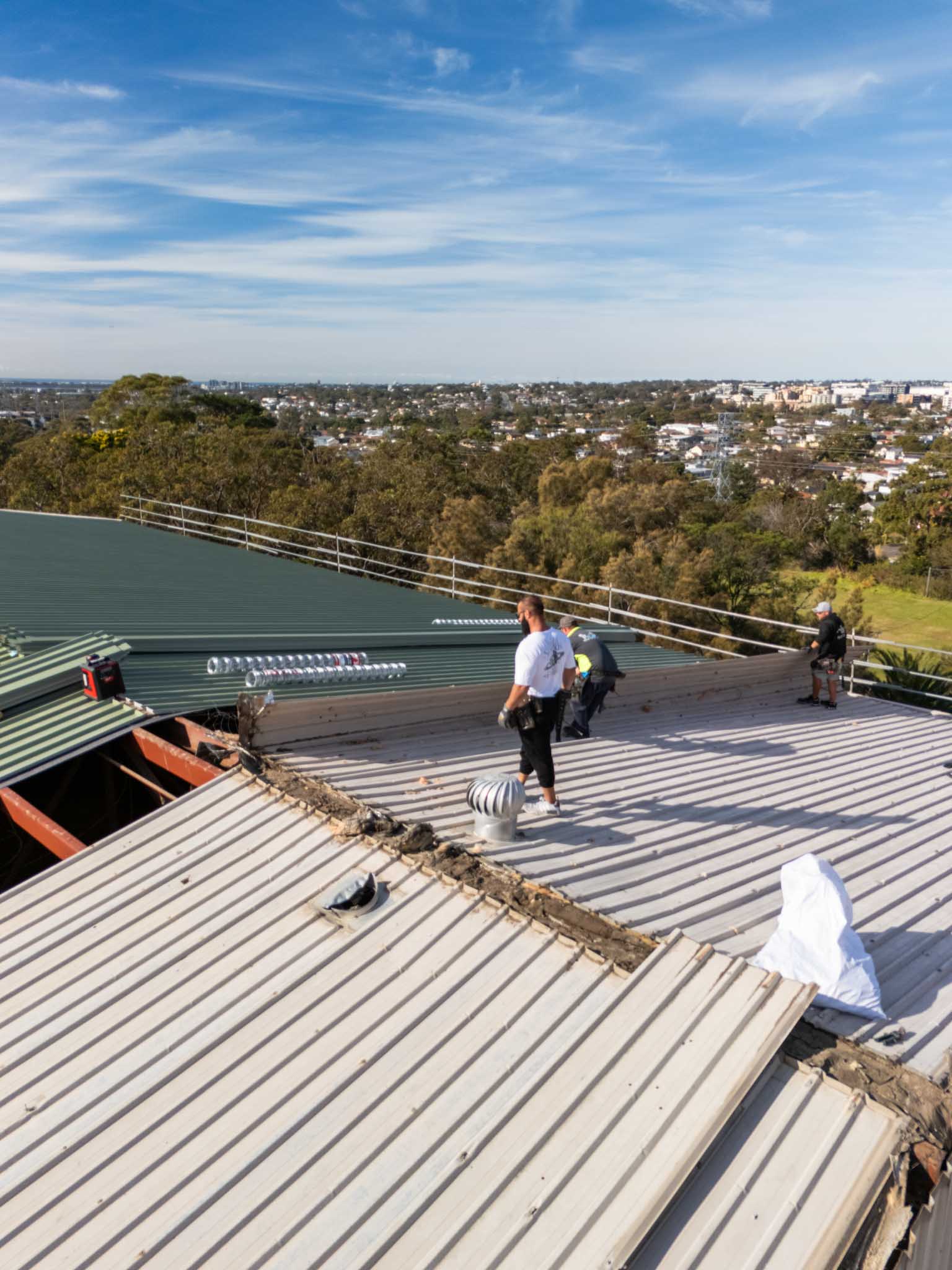
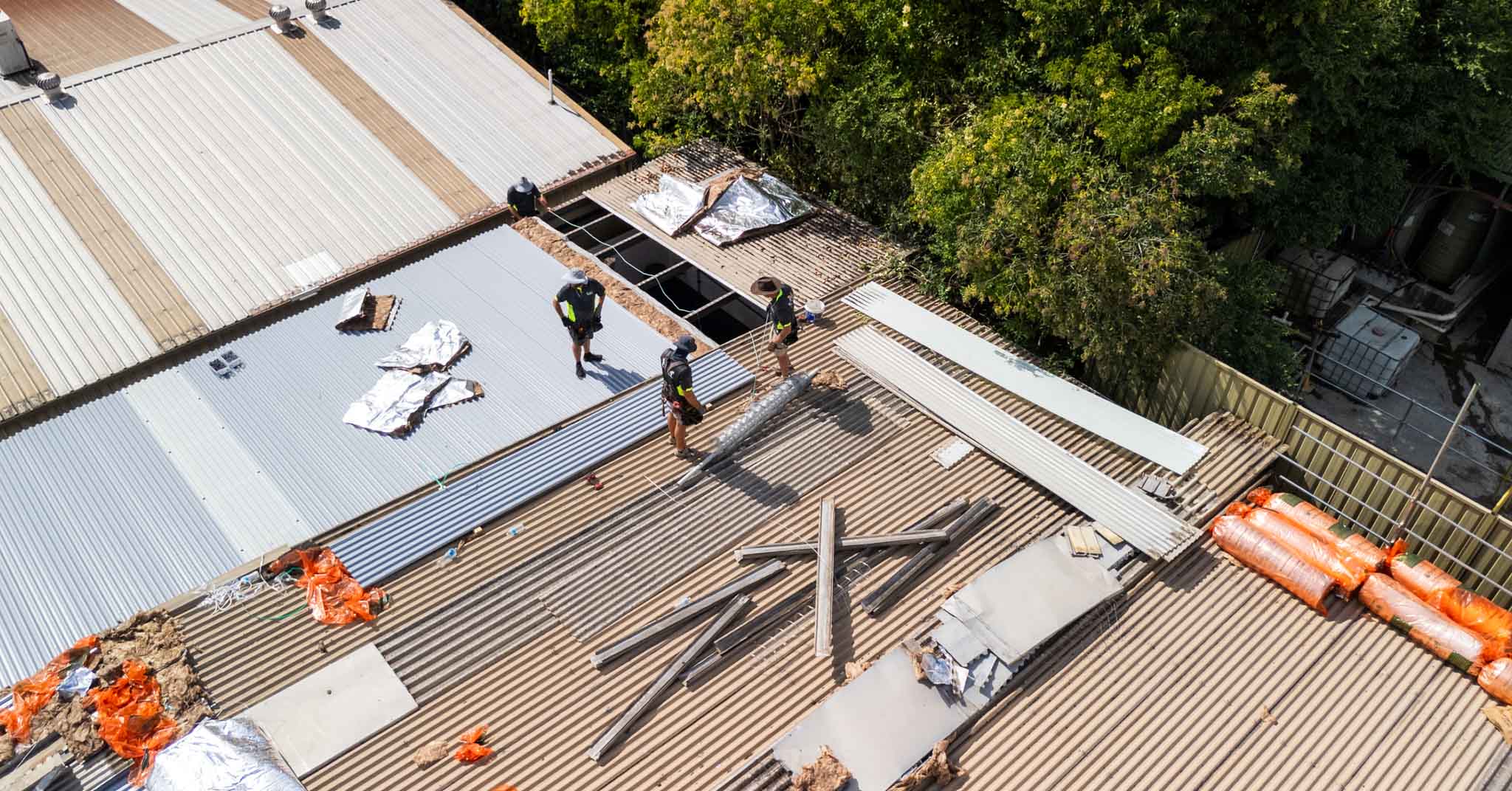
    2. Install safety rails and fall protection; remove old roof and dispose.
    3. Fit sarking and battens or steel purlins; install flashings to penetrations.
    4. Lay sheets from eaves to ridge; fix per wind region (Sydney Region A/B).
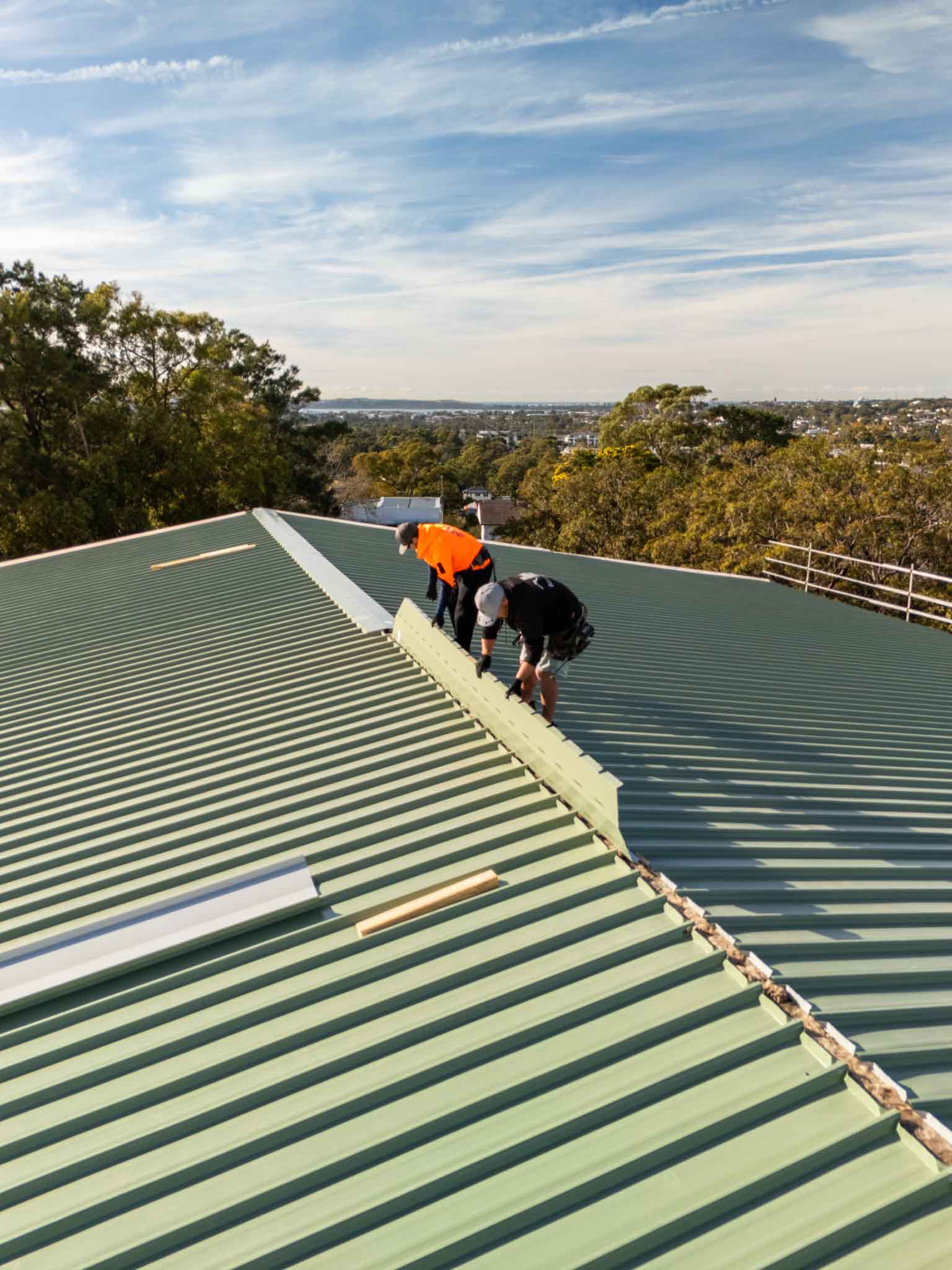
    5. Install ridge/hip caps, valleys, gutters and downpipes.
    6. Final QA: fastening patterns, clip engagement, sealant and water test.

    Concrete tiles

    1. Check truss design for tile loads; ensure minimum pitch (typically ≥15°).
    2. Lay sarking; install battens at exact gauge for the selected tile.
    3. Place tiles from eaves upward; cut neatly at valleys and penetrations.
    4. Fix perimeters and every nth course per wind category; bed and point ridges.
    5. Fit flashings, gutters and valley irons; complete pointing and clean down.

    Cost comparison

    Cost element Colorbond Concrete tiles
    Material (per m²) Medium to high Low to medium
    Labour Lower (faster install) Higher (slower, heavier)
    Structure upgrades Usually minimal Possible reinforcement due to weight
    Lifetime maintenance Low Moderate (re‑sealing, broken tiles)

    💡 ROI insight

    Colorbond often wins on whole‑of‑life cost when installation speed, low maintenance and improved energy performance are considered over 25–30 years.

    Weight and structural requirements

    • Colorbond: ~5–10 kg/m² depending on profile and insulation.
    • Concrete tiles: ~40–60 kg/m². Structural checks for older rafters/trusses are essential.

    Durability and lifespan

    Both systems can exceed 30 years with correct specification and maintenance. Steel coatings, edge cut treatment and fastener selection matter for Colorbond, while concrete tiles benefit from periodic re‑sealing of the surface and replacement of any cracked units.

    Weather resistance

    • Wind: Concealed‑fix steel excels on higher wind sites around Sydney’s headlands; tiles require additional fixings.
    • Hail: Heavier hail can crack tiles; steel may dent but stay watertight.
    • Heavy rain: Steel with well‑designed valleys and flashings performs exceptionally on low‑pitch roofs.
    • Heat: Both systems benefit from sarking and insulation; lighter colours reduce heat gain.

    Energy efficiency

    Light‑coloured Colorbond with high solar reflectance can reduce cooling loads. Tiled roofs create an air cavity under tiles that assists summer performance when paired with proper sarking and ventilation.

    Maintenance requirements

    • Colorbond: periodic wash‑down (especially coastal), check fasteners, clear gutters and valleys.
    • Tiles: replace broken tiles, repoint ridges, clean moss/lichen, re‑seal coatings every 10–15 years as needed.

    Aesthetic options and styles

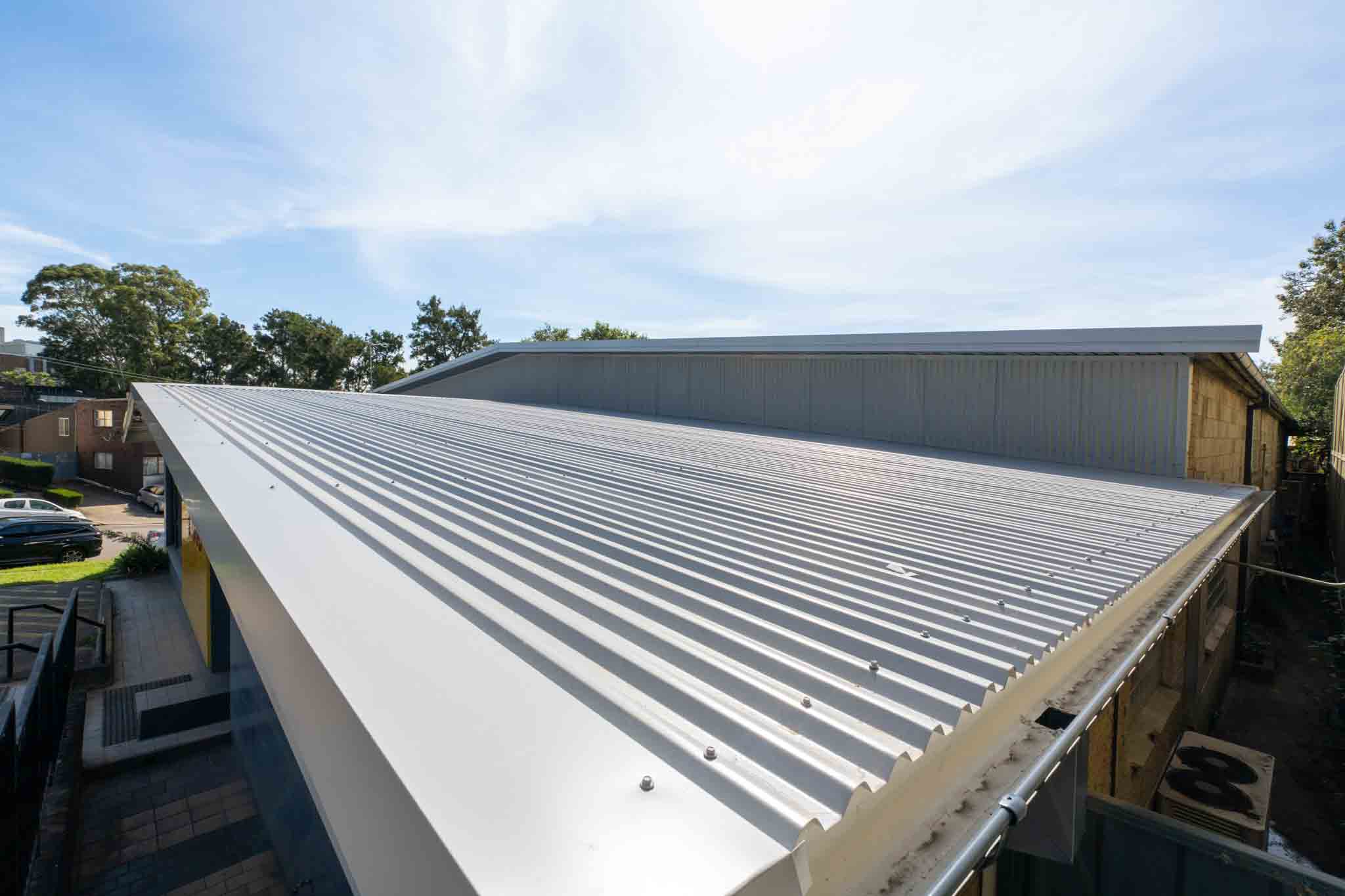
    Colorbond offers contemporary lines and a broad colour palette; concrete tiles suit heritage and traditional streetscapes with deep shadow lines.

    Noise levels

    Tiles are naturally quieter. For Colorbond, acoustic blanket, ceiling insulation and plasterboard greatly reduce rain noise to comfortable levels.

    Environmental impact and sustainability

    • Colorbond: recyclable steel, long life, reflective colours reduce cooling energy.
    • Tiles: inert material, local manufacturing, potential for re‑use of sound tiles.

    Resale value impact

    Modern Colorbond can lift perceived value for contemporary homes; immaculate tile roofs strengthen appeal in heritage suburbs.

    Bushfire ratings (BAL)

    Both systems can achieve compliance. Metal with ember‑proofing and sealed penetrations performs excellently under BAL‑rated designs.

    Installation time and disruption

    Colorbond is typically 20–40% faster to install than tiles on comparable designs, reducing weather exposure and site disruption.

    Warranty comparisons

    • Colorbond: manufacturer warranties on paint and corrosion (conditions apply).
    • Tiles: extensive product warranties from manufacturers; workmanship varies by contractor.

    Best use cases

    • Colorbond: low‑pitch roofs, coastal/wind‑exposed sites, modern architecture, quick reroofs.
    • Concrete tiles: pitched roofs ≥15°, traditional suburbs, acoustic priority, budget‑sensitive material cost.

    Sydney climate considerations

    Account for salt air east of the Princes Hwy and near harbours, summer storm cells, and leaf litter in leafy suburbs. Select marine‑grade components where appropriate.

    Suburb‑specific notes

    • Northern Beaches and Eastern Suburbs: prioritise corrosion protection and wind fixing schedules.
    • Hills District and Upper North Shore: tree litter management—valleys and gutters sizing matters.
    • Western Sydney: heat management—light colours, insulation and ventilation are key.

    Decision matrix

    Priority Better choice Why
    Faster installColorbondLarge sheet coverage, fewer components
    Lowest upfront materialTilesConcrete units often cheaper per m²
    High wind/coastalColorbondConcealed fix, continuous sheets
    Traditional streetscapeTilesClassic profiles and texture
    Low pitchColorbondPerforms at lower pitches with correct detailing

    ✅ Final checklist

    • Confirm structural capacity (especially for tiles).
    • Select coastal/marine specs if within salt spray zone.
    • Match roof pitch and complexity to the chosen system.
    • Plan insulation, ventilation and gutter/valley sizing.
    • Compare whole‑of‑life cost, not just material price.

    Still unsure which way to go? Our Sydney team designs and installs both systems every week. Request a free assessment and we’ll model costs, energy outcomes and installation time for your home.

    Need Help with Your Roof?

    Our experts are ready to help you with maintenance, repair, or restoration of your roof.

    Call Now

    Posts you might be interested in

    Related articles on this topic

    Early Warning Signs of Roof Problems
    Inspection

    Early Warning Signs of Roof Problems

    Learn to identify the early signs of roof problems before they become costly repairs.

    Roof Repair Costs in Sydney 2024
    Pricing

    Roof Repair Costs in Sydney 2024

    Complete price guide for different types of roof repairs in Sydney.
    Types of Roofing Materials in Sydney
    Materials

    Types of Roofing Materials in Sydney

    Compare Colorbond, terracotta, concrete and other materials to find the perfect one for your home.

    Preparing Your Roof for Winter
    Maintenance

    Preparing Your Roof for Winter

    Essential tips to prepare your roof for Australian winter rains and storms.

    Commercial roof repairs background

    Need Reliable Roofers? Get a Free Quote Today

    From urgent make-safes to scheduled remedial works, we deliver clear scopes, photo documentation and workmanship warranties, keeping your operations safe and minimising downtime.