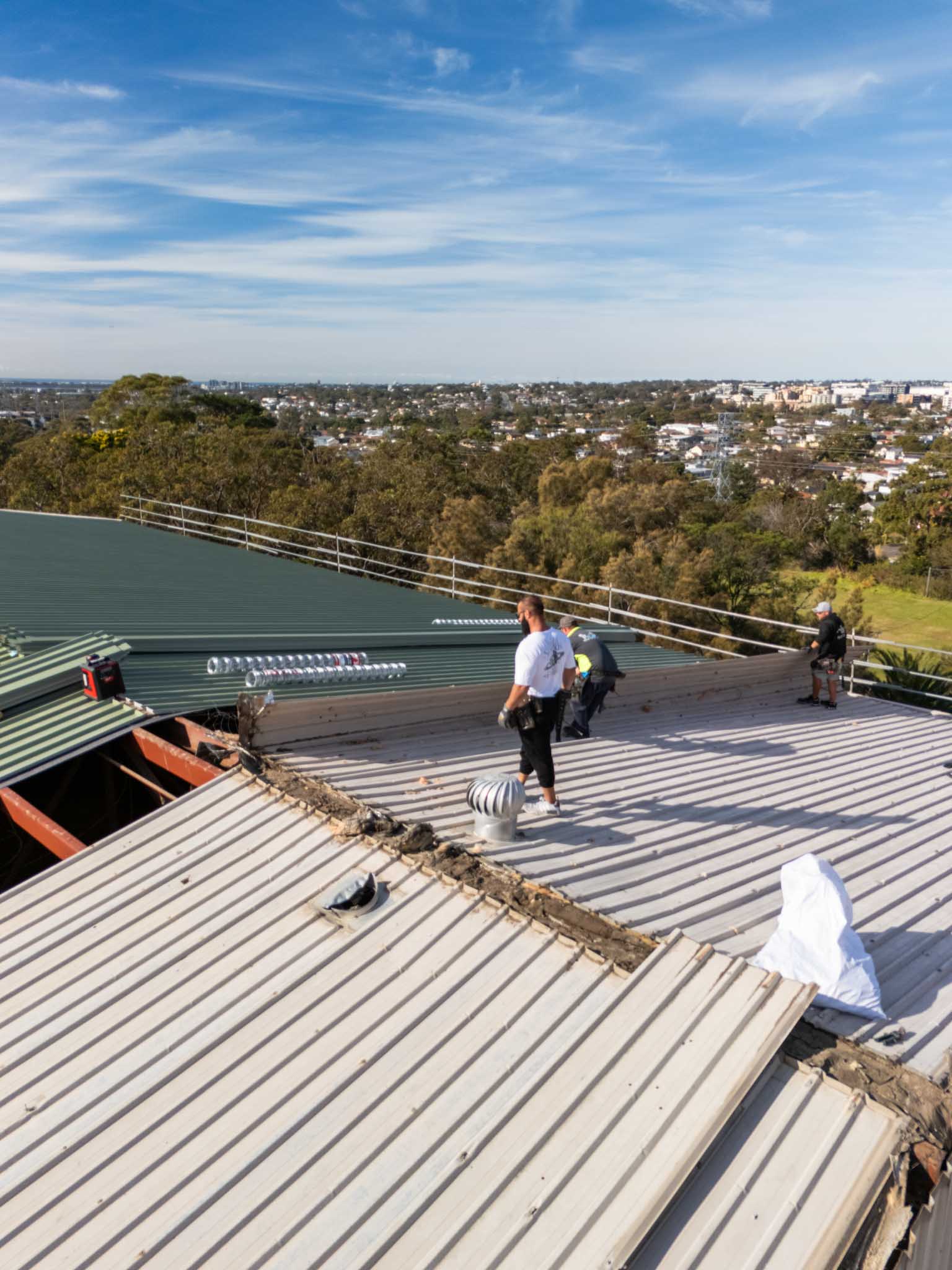
Building or renovating in Australia's bushfire-prone regions demands more than standard construction—it requires life-saving bushfire-resistant design starting with your roof. As the first point of ember attack and radiant heat exposure, your roof's bushfire performance literally determines whether your home survives a bushfire event. This comprehensive guide explains Australia's Bushfire Attack Level (BAL) system, compliant roofing materials, construction standards, and critical compliance requirements to protect your family and property in bushfire zones.
Understanding Australia's BAL Rating System
The Bushfire Attack Level determines construction requirements based on bushfire risk:
BAL Rating Categories
BAL-LOW (Lowest Risk):
- Insufficient risk to warrant specific construction requirements
- Located well away from bushfire hazards
- No specific bushfire roofing requirements
- Standard Australian construction standards apply
- Most suburban areas fall into this category
BAL-12.5 (Low to Moderate Risk):
- Exposure to ember attack only
- No direct flame contact or significant radiant heat
- Roof must resist ember penetration
- Requires BAL-12.5 compliant roofing materials
- Screening required for roof ventilation
- Common in areas backing onto bushland with some separation
BAL-19 (Moderate to High Risk):
- Ember attack plus low-level radiant heat exposure (up to 19 kW/m²)
- Increased construction requirements
- Roof covering must be non-combustible or meet specific standards
- Ember protection measures essential
- Typical for properties within 100m of bushfire hazard
BAL-29 (High Risk):
- Ember attack and moderate radiant heat exposure (up to 29 kW/m²)
- Increased likelihood of fire brand (large ember) attack
- Stringent roofing and construction standards
- All gaps must be sealed against ember entry
- Properties within 50m of high bushfire risk vegetation
BAL-40 (Very High Risk):
- Ember attack and high radiant heat exposure (up to 40 kW/m²)
- Risk of burning debris impacting structure
- Highest construction standards before direct flame exposure
- Roof must withstand intense radiant heat without ignition
- Typically properties within 30m of severe bushfire hazard
BAL-FZ (Flame Zone - Extreme Risk):
- Direct exposure to flames from fire front
- Most stringent construction requirements
- Roof must resist direct flame contact
- Minimal combustible materials allowed anywhere
- Properties immediately adjacent to extreme bushfire hazards
- Some insurance companies won't cover BAL-FZ properties
⚠️ Life Safety Critical
BAL-rated construction is not a building code formality—it's life-saving engineering designed to protect occupants during bushfire events. Non-compliant roofing in bushfire zones has contributed to catastrophic property losses and tragic loss of life. Compliance is mandatory, non-negotiable, and potentially life-saving.
BAL Assessment Process
Determining your property's BAL rating is the essential first step:
Professional BAL Assessment
Who Can Conduct BAL Assessments:
- Accredited bushfire planning and design practitioners
- Appropriately qualified building surveyors
- Fire protection engineers with bushfire specialization
- Must follow AS 3959:2018 methodology
- Certification provided with assessment report
Assessment Methodology (AS 3959:2018):
- Fire danger index (FDI) for the region
- Classification of surrounding vegetation
- Distance from vegetation to building
- Slope of land under vegetation
- Considers all vegetation within 100m (or more for extreme slopes)
- Results in specific BAL rating for the site
Assessment Costs and Timeline:
- Standard residential BAL assessment: $800-2,000
- Complex sites or BAL-FZ assessments: $2,000-5,000
- Timeline: 1-3 weeks from site inspection to report
- Valid for planning approval and building permit
When BAL Assessment is Required
- All new construction in designated bushfire-prone areas
- Substantial renovations or additions in bushfire zones
- Roof replacement in bushfire-prone areas (may be required)
- Property subdivision creating new building envelopes
- Change of use requiring building approval in bushfire areas
- Not required for minor repairs using like-for-like materials
Bushfire-Resistant Roofing Materials
Material selection is critical for BAL compliance and protection:
Steel Sheet Roofing (Colorbond/Zincalume):
- Compliant for all BAL levels when properly installed
- Non-combustible material (ideal for bushfire zones)
- Must be minimum 0.42mm BMT for BAL-29 and above
- Joints and laps must be sealed against ember entry
- Fastener holes must use sealing washers
- Cost: $85-140 per m² installed
- Advantage: Proven performance in bushfire events
Metal Tile Profiles:
- Metal tiles designed to replicate terracotta appearance
- BAL compliant when manufactured to appropriate standards
- Must have sealed interlocking systems
- Popular for bushfire areas wanting tile aesthetic
- Cost: $100-180 per m²
Concrete and Terracotta Tiles
Concrete Tiles:
- Compliant up to BAL-29 when tested and certified
- Must be specifically tested for BAL compliance (not all concrete tiles qualify)
- Requires specific sarking and fixing systems for higher BAL levels
- Gaps and penetrations must be sealed
- Cost: $70-120 per m²
- Verify manufacturer's BAL rating certification before purchase
Terracotta Tiles:
- Natural terracotta is non-combustible
- Compliant for BAL-12.5 to BAL-29 with appropriate installation
- BAL-40 and BAL-FZ require specialized systems
- Interlocking profiles preferred for ember protection
- Valley and ridge details critical for compliance
- Cost: $110-200 per m²
Specialized Bushfire Roofing Systems
BAL-40 and BAL-FZ Compliant Systems:
- Limited material options at highest BAL levels
- Typically requires metal roofing with specialized sarking
- Complete sealing systems preventing any ember entry
- May require non-combustible insulation
- Fire-resistant membrane underlayment
- Cost premium: 30-60% above standard roofing
Materials NOT Suitable for Bushfire Zones
- Timber shingles/shakes: Combustible—prohibited in bushfire areas
- Thatch: Extremely combustible—never allowed
- Bituminous roofing: Generally not compliant (some exceptions with testing)
- Plastic/polycarbonate sheets: Combustible—not BAL compliant
- Standard asphalt shingles: Not compliant without specific testing/certification
💡 Professional Tip
Always verify BAL compliance with manufacturer documentation before purchasing roofing materials. "Non-combustible" doesn't automatically mean BAL compliant—materials must be specifically tested and certified for BAL ratings. Request CodeMark certificates or test reports confirming compliance with AS 3959.
Critical Construction Details for BAL Compliance
Proper installation details are as important as material selection:
Sarking and Underlayment Requirements
BAL-12.5 and BAL-19:
- Reflective foil or building paper acceptable
- Must be installed to prevent ember entry through gaps
- Lapped joints sealed or taped
BAL-29 and BAL-40:
- Non-combustible sarking required (e.g., fire-resistant membrane)
- Complete coverage without gaps
- All joints sealed with fire-rated tape
- May require non-combustible insulation above sarking
BAL-FZ:
- Fire-resistant membrane mandatory
- Non-combustible insulation if any insulation used
- Complete sealing preventing any ember penetration
- May require additional fire-resistant layers
Ember Protection Measures
Roof Ventilation:
- All vents must have ember guards (2mm or smaller mesh)
- Mesh must be non-combustible (corrosion-resistant metal)
- Whirlybirds and ridge vents require specific BAL-rated products
- Eave vents particularly critical—primary ember entry point
- Sealed boxed eaves preferred for BAL-40 and BAL-FZ
Gutter Systems:
- Non-combustible gutters required (metal)
- Ember guards on gutter outlets
- Regular cleaning essential—debris creates ember fuel
- Consider gutter guard systems for bushfire areas
- Overflow provisions must also be ember-protected
Roof Penetrations:
- Soil pipes, vents, and penetrations must be sealed
- Non-combustible flashings required
- No gaps allowing ember entry
- Skylights must be BAL-rated with metal frames
- Polycarbonate or glass must meet BAL requirements
Valley and Edge Details
- Valleys must be non-combustible (metal)
- Valley lining must extend appropriately under roof covering
- No gaps allowing ember penetration
- Barge and verge details must prevent ember entry
- Ridge capping must be sealed (mortar or closed system)
AS 3959 Compliance Requirements
Australian Standard 3959:2018 sets the construction standard for bushfire-prone areas:
Key AS 3959 Requirements for Roofs
- Material performance: Roof covering must meet specified fire performance
- Construction system: Complete roof system must prevent ember penetration
- Sarking installation: Must comply with BAL-specific requirements
- Penetration sealing: All roof penetrations sealed against ember entry
- Exposed timber: Any exposed timber must be specified hardwood or treated
- Fasteners and fixings: Non-combustible fixings for higher BAL levels
Documentation and Certification
- Material suppliers must provide BAL compliance certification
- Installation must follow manufacturer's BAL-specific instructions
- Building surveyor inspects for AS 3959 compliance
- Non-compliant work results in stop-work orders
- Certificate of Occupancy requires demonstrated compliance
- Maintain all documentation for insurance and resale purposes
📋 BAL Compliance Checklist
- BAL assessment completed by accredited assessor
- Roof material certified for applicable BAL rating
- Sarking meets non-combustible requirements (BAL-29+)
- All vents fitted with ember guards (2mm max mesh)
- Roof penetrations completely sealed
- Gutters non-combustible with ember guards
- No gaps allowing ember entry anywhere in roof system
- Manufacturer installation instructions for BAL followed
- Building surveyor approved all BAL-related construction
- Compliance documentation retained for records
Bushfire-Rated Roofing Costs
BAL compliance typically increases roofing costs:
Cost Premiums by BAL Level
BAL-12.5:
- Add 5-10% to standard roofing costs
- Primarily ember guard and sealing requirements
- For 200m² roof: additional $1,000-3,000
BAL-19:
- Add 10-15% to standard costs
- Enhanced ember protection and material requirements
- For 200m² roof: additional $2,500-5,000
BAL-29:
- Add 15-25% to standard costs
- Non-combustible sarking, enhanced sealing, specialized materials
- For 200m² roof: additional $4,000-8,000
BAL-40:
- Add 25-40% to standard costs
- Specialized systems, non-combustible insulation, complete sealing
- For 200m² roof: additional $7,000-15,000
BAL-FZ:
- Add 40-60% to standard costs
- Most stringent requirements, limited material options
- For 200m² roof: additional $12,000-25,000
- Some contractors won't quote BAL-FZ work—specialized expertise required
- BAL assessment: $800-2,000
- Bushfire-rated materials premium: 10-30% above standard products
- Specialized installation labor: 20-40% premium for experienced BAL contractors
- Ember guard systems: $800-2,500
- Non-combustible sarking upgrade: $20-40 per m²
- Building surveyor BAL inspections: included in permit or $300-800 per inspection
💰 Insurance Implications
BAL-compliant construction often qualifies for insurance premium discounts (10-30% reduction). Conversely, non-compliant construction in bushfire zones may void insurance coverage entirely. The cost of BAL compliance is typically recovered through insurance savings within 5-10 years, while providing invaluable life safety protection.
Ongoing Maintenance in Bushfire Zones
Maintenance is critical for maintaining bushfire protection:
Regular Maintenance Tasks
- Gutter cleaning (monthly during fire season): Remove all leaves, bark, debris—primary ember fuel source
- Ember guard inspection (quarterly): Verify mesh intact, not corroded or damaged
- Roof surface cleaning (bi-annually): Remove accumulated bark, leaves, and organic matter
- Seal inspection (annually): Check all penetrations, valleys, ridges remain sealed
- Sarking check (during roof access): Verify no tears or damage to under-roof protection
- Vegetation management: Maintain defendable space as required by regulations
Pre-Bushfire Season Checklist
- Professional roof inspection by BAL-experienced contractor
- Comprehensive gutter and downpipe clearing
- Test and clear all roof drainage systems
- Remove all roof debris—no leaves, bark, or vegetation
- Check ember guards on all vents and openings
- Verify water supply for roof wetting systems (if installed)
- Document roof condition for insurance purposes
- Plan evacuation procedures—roof protection not a substitute for evacuation
Insurance Considerations for Bushfire Zones
Understanding insurance implications is essential:
Insurance Requirements and Coverage
- Compliance verification: Insurers may require proof of BAL compliance
- BAL-FZ challenges: Some insurers won't cover properties in Flame Zone
- Premium variations: Significant differences between BAL levels (BAL-LOW to BAL-40 can vary 200-400%)
- Maintenance documentation: Keep records of gutter cleaning and maintenance
- Upgrades and retrofitting: May reduce premiums—notify insurer
- Bushfire attack damage: Verify coverage limits adequate for rebuild
Retrofitting Existing Homes
- Partial upgrades: May qualify for premium reductions even without full compliance
- Roof replacement opportunity: Upgrade to BAL-compliant system
- Ember protection additions: Retrofit ember guards, gutter protection
- Vegetation management: Often the most cost-effective risk reduction
- Consult insurer: Verify which upgrades qualify for premium reductions
Choosing BAL-Experienced Contractors
Specialized expertise essential for bushfire construction:
Contractor Qualifications
- Demonstrated experience with BAL-rated construction
- Understanding of AS 3959 requirements
- Portfolio of completed BAL projects
- Relationships with BAL-certified material suppliers
- Ability to provide compliant installation documentation
- Insurance coverage for bushfire zone work
- References from similar BAL-level projects
Questions to Ask Contractors
- How many roofs have you installed at this BAL rating?
- Can you provide references from similar BAL projects?
- Which BAL-certified products do you recommend for my project?
- How do you ensure ember protection compliance?
- What documentation will you provide for building surveyor approval?
- How do you handle BAL inspection requirements?
- What warranty do you provide for BAL-compliant work?
- Are you familiar with local council bushfire requirements?
Conclusion: Life Safety Through Compliant Construction
Bushfire-rated roofing is fundamentally different from standard construction—it's engineered protection against one of Australia's most devastating natural hazards. The additional cost, complexity, and ongoing maintenance requirements pale in comparison to the protection provided during bushfire events. BAL compliance is not bureaucratic inconvenience—it's evidence-based building science designed to save lives and properties.
The catastrophic bushfire seasons of recent years have tragically demonstrated the consequences of non-compliant construction in bushfire zones. Properties built to BAL standards consistently outperform non-compliant buildings, with survival rates dramatically higher when ember protection and material requirements are properly implemented.
If you're building or renovating in bushfire-prone areas, embrace BAL requirements as essential protection, not obstacles. Work with accredited assessors to determine your BAL rating, engage experienced contractors who understand bushfire construction, use only certified BAL-compliant materials, and maintain meticulous compliance documentation. These steps protect not only your property investment but, more importantly, the safety of your family and community.
Remember that even the best BAL-rated construction doesn't eliminate bushfire risk entirely. Roof protection must be combined with comprehensive bushfire preparedness including defendable space maintenance, early evacuation planning, and realistic understanding of bushfire behavior. BAL construction provides critical protection, but your primary bushfire strategy should always prioritize early evacuation to safety.
The investment in BAL-compliant roofing—typically $5,000-25,000 above standard construction depending on BAL level—delivers returns through reduced insurance premiums, enhanced property value, and most importantly, peace of mind knowing your home meets the highest bushfire protection standards achievable through modern building science.
Need expert advice on bushfire-rated roofing for your property? Your Local Roofers specializes in BAL-compliant roofing systems for bushfire-prone areas, from BAL-12.5 through BAL-40, with complete documentation and certification support. Contact us today for professional BAL assessment recommendations and compliant roofing solutions.
Need Help with Your Roof?
Our experts are ready to help you with maintenance, repair, or restoration of your roof.