Inspection
Early Warning Signs of Roof Problems
Learn to identify the early signs of roof problems before they become costly repairs.

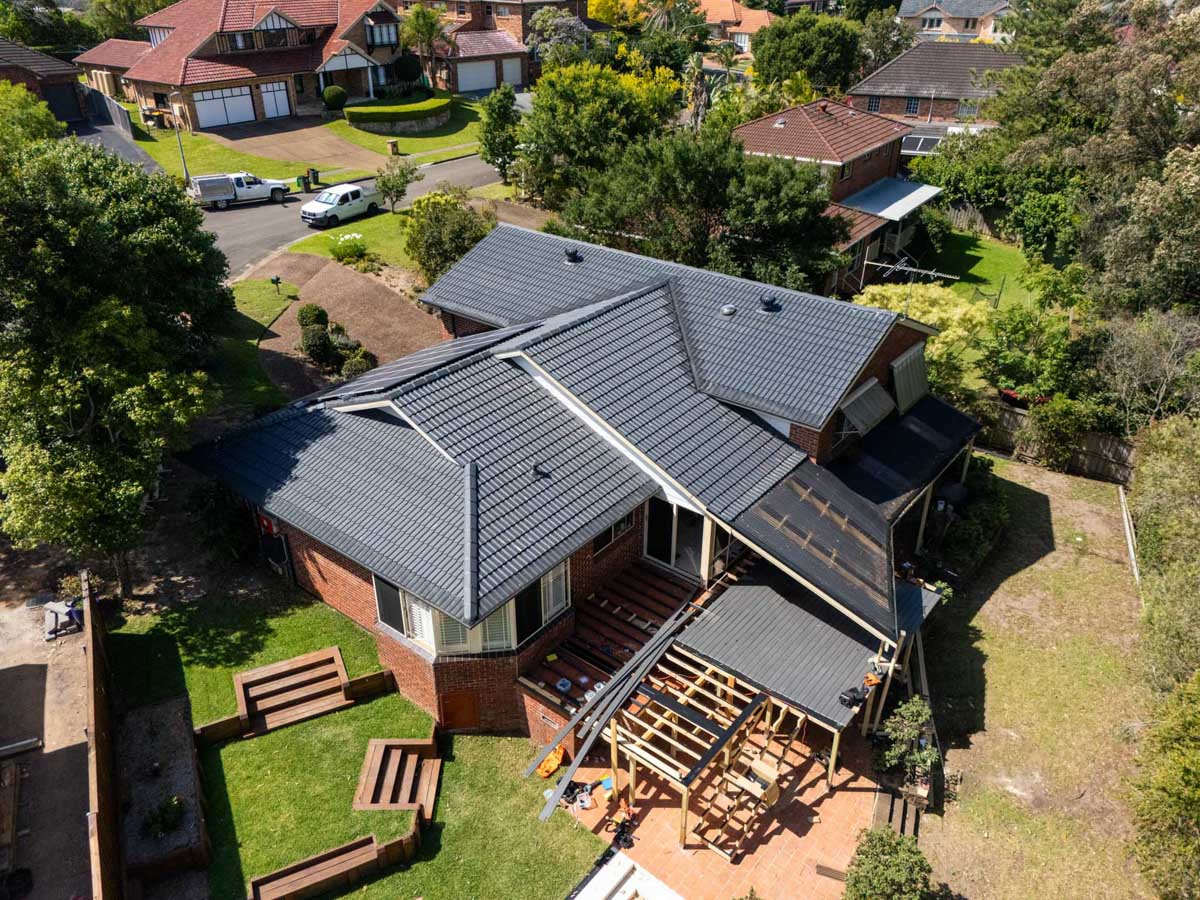
Comprehensive analysis of whirlybird roof ventilation effectiveness. Learn how they work, benefits, limitations, alternatives, and if they're worth installing on your roof.
Whirlybirds—also called roof ventilators or turbine vents—are a common sight on Australian homes. Do they really cool your house, and are they worth it in Sydney? This comprehensive guide explains how they work, what the research says, and when to choose alternatives.
Mechanical, wind‑driven ventilators mounted near the ridge that extract hot, moist air from the roof space without electricity.
Wind turns the turbine, creating a pressure differential that draws attic air out. Warm air rises naturally (stack effect), assisting extraction even in low wind.
Studies show whirlybirds reduce attic temperatures and moisture, but whole‑home cooling impacts vary. Greatest benefits occur with sufficient intake vents and ceiling insulation.
Steady coastal breezes, adequate eave/gable intake vents, and insulated ceilings. Sydney often provides good wind profiles near the coast.
On homes with heat‑loaded roof spaces, dark roofs, and poor natural ventilation; as part of a system with insulation and shading.
Air‑tight roof spaces with no intake vents; very low wind inland days; already cool, well‑ventilated attics.
As a rule of thumb, 1 unit per 90–100 m² of roof space, adjusted for pitch and wind exposure. Larger roofs or complex shapes may need 2–4 units.
Correct flashing, placement near ridge lines, and ensuring intake vents are present. Seal all fixings and maintain minimum clearances.
| Option | Airflow consistency | Cost | Notes |
|---|---|---|---|
| Whirlybird | Variable (wind‑dependent) | Low | Great when wind is reliable |
| Ridge vent | Steady (passive) | Low‑Medium | Requires continuous ridge and intake |
| Solar fan | High (active) | Medium‑High | Best control; adds complexity |
Ventilation supports comfort but is not a substitute for ceiling insulation and shading. Expect modest HVAC savings when combined with other measures.
Ventilating moist roof spaces reduces mould risk and protects timber framing and insulation performance.
Quality bearings run quietly. Poorly installed or worn units can rattle—schedule maintenance.
Annual inspection of bearings, flashing, and fasteners; clear debris and ensure free rotation.
Coastal suburbs benefit from sea breezes; inland areas should consider solar‑assisted fans for calm days.
Ensure compliance with NCC ventilation requirements and manufacturer installation standards.
Want a ventilation plan tailored to your roof? Book an assessment and we’ll size the right system.
Our experts are ready to help you with maintenance, repair, or restoration of your roof.
Related articles on this topic
Learn to identify the early signs of roof problems before they become costly repairs.
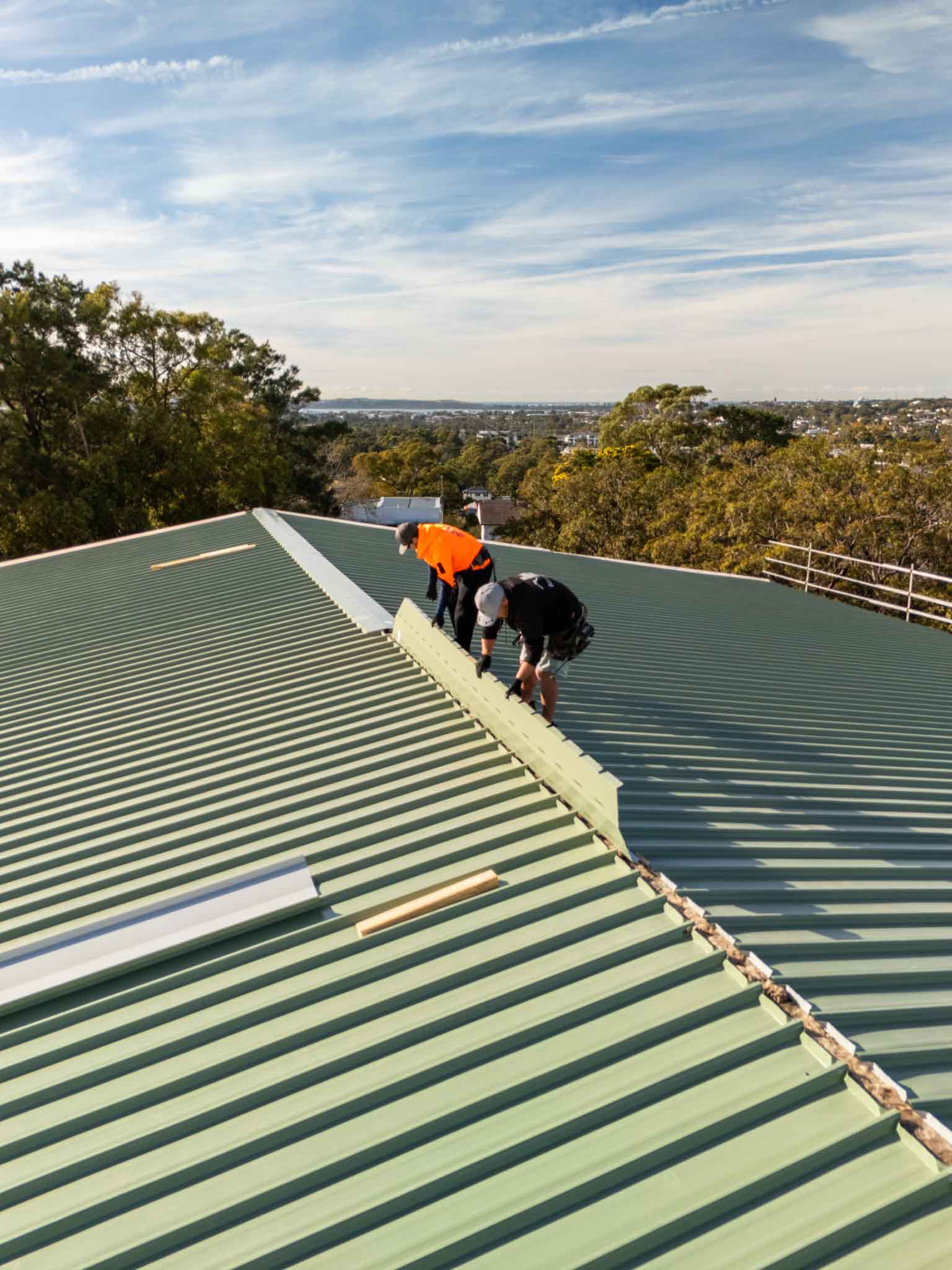
Complete price guide for different types of roof repairs in Sydney.
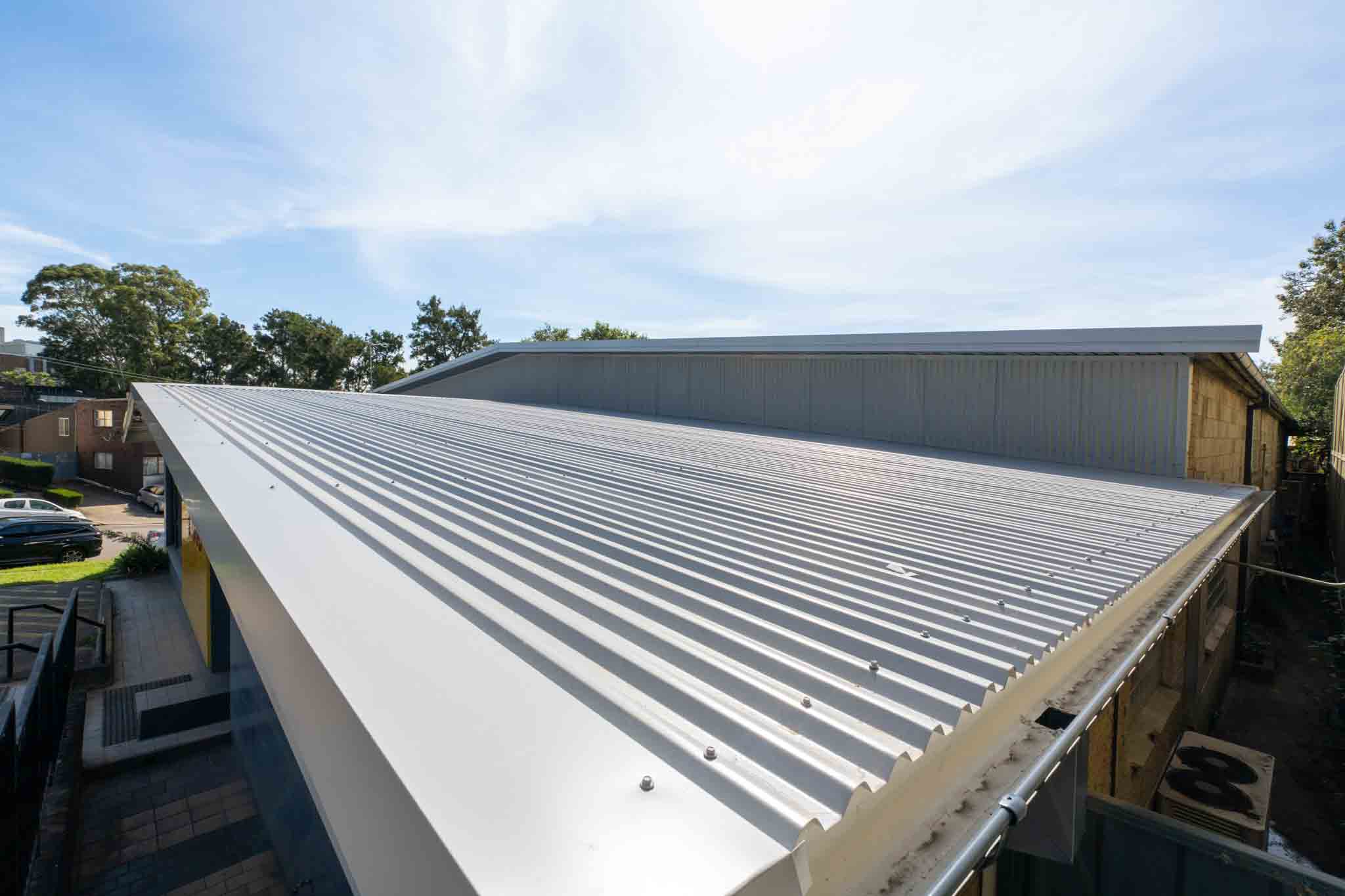
Compare Colorbond, terracotta, concrete and other materials to find the perfect one for your home.
Essential tips to prepare your roof for Australian winter rains and storms.

From urgent make-safes to scheduled remedial works, we deliver clear scopes, photo documentation and workmanship warranties, keeping your operations safe and minimising downtime.